
Introduction
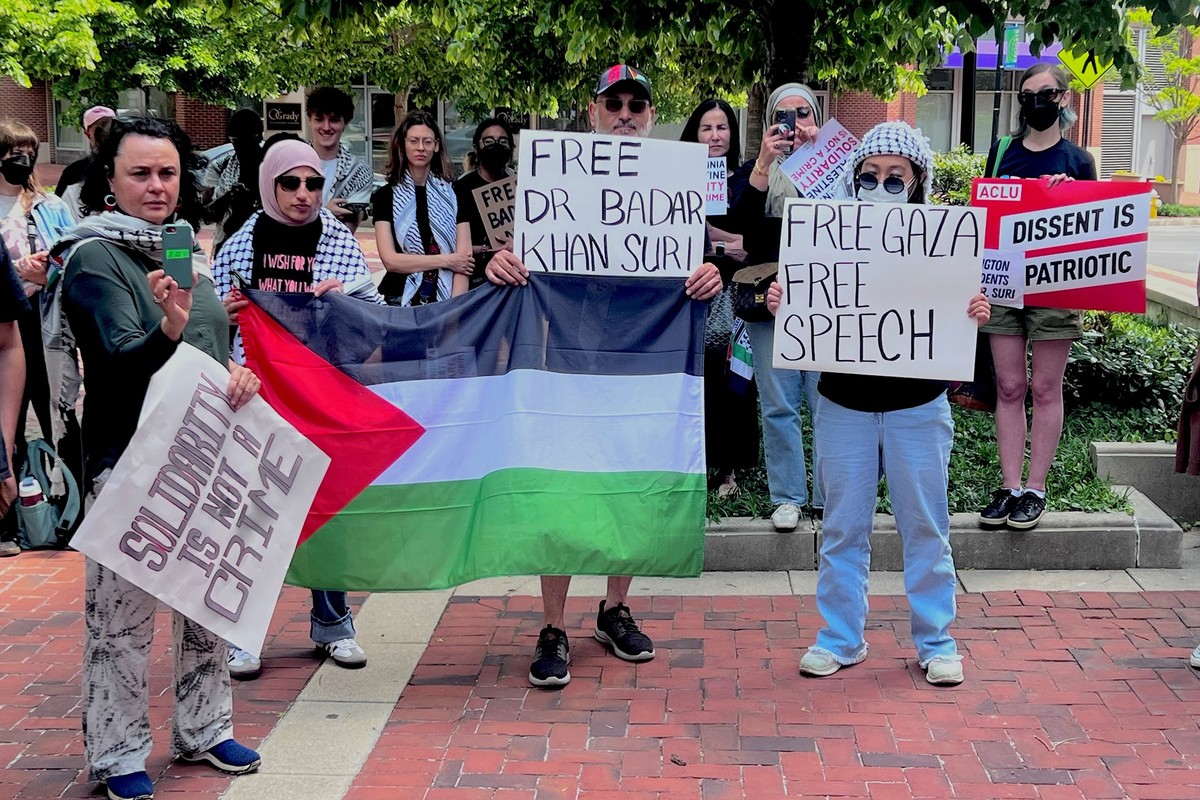
Badar Khan Suri, a Georgetown University postdoctoral fellow, was recently released from a Texas immigration detention center after a federal judge ruled his detention violated his rights. This case highlights critical issues surrounding immigration law, free speech, and activism in the United States.
1. Who Is Badar Khan Suri?

Badar Khan Suri is an Indian national and academic researcher affiliated with Georgetown University in Washington, DC. He was detained on a student visa following a crackdown on activists alleged to have connections to terrorism.
2. Why Was He Detained?
Suri was arrested outside his Virginia home on 17 March 2025 by US immigration agents. Authorities accused him of spreading Hamas propaganda and having ties to a suspected terrorist organization. His lawyers say he was targeted for supporting Palestinian rights and due to family ties in Gaza.
3. The Court’s Decision
US District Judge Patricia Tolliver Giles ordered Suri’s release, ruling that his detention violated his free speech and due process rights. The judge found no evidence linking Suri directly to Hamas or terrorist activities.
4. Family Ties and Controversy
Suri’s wife, Mapheze Saleh, is a US citizen whose father was a former political advisor in Gaza. While US authorities alleged connections to Hamas, the court found these claims unsubstantiated, and Saleh emphasized her family’s work promoting peace.
5. Broader Context: Crackdown on Activists
This case comes amid increased investigations and arrests of students and academics accused of supporting violence related to Palestine. Critics argue that these actions threaten academic freedom and civil rights.
6. The Role of the ACLU
The American Civil Liberties Union has been instrumental in defending Suri and others, advocating for free speech protections and fair immigration processes.
7. What’s Next for Badar Khan Suri?
Although released from detention, Suri still faces deportation proceedings. His case remains part of a broader legal and political debate about immigration enforcement and civil liberties in the US.
Conclusion
Badar Khan Suri’s release underscores the complex intersection of immigration law, free speech, and activism. As cases like his unfold, they raise important questions about justice and rights for immigrants and academics in the United States.
For more information on US immigration detention policies, visit the U.S. Immigration and Customs Enforcement official site.