
Introduction
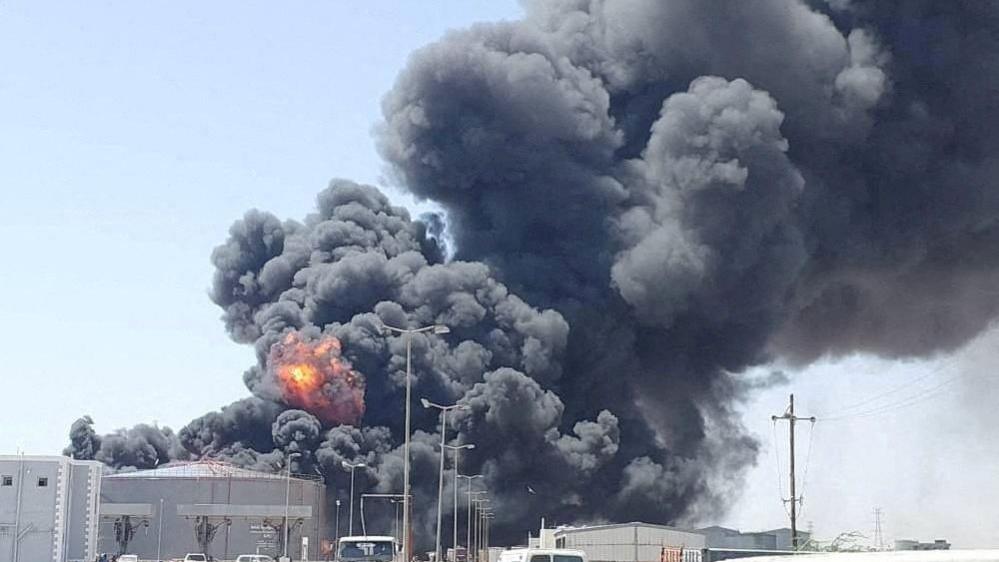
Sudan’s civil war has entered a dangerous new phase as drone attacks by the Rapid Support Forces (RSF) target key infrastructure in Port Sudan. This escalation demonstrates the growing use of unmanned aerial vehicles (UAVs) in the conflict and raises the stakes for all parties involved. In this article, we explore seven key facts about the drone warfare reshaping Sudan’s ongoing crisis.
1. Drone Attacks Signal a New Phase in the Conflict
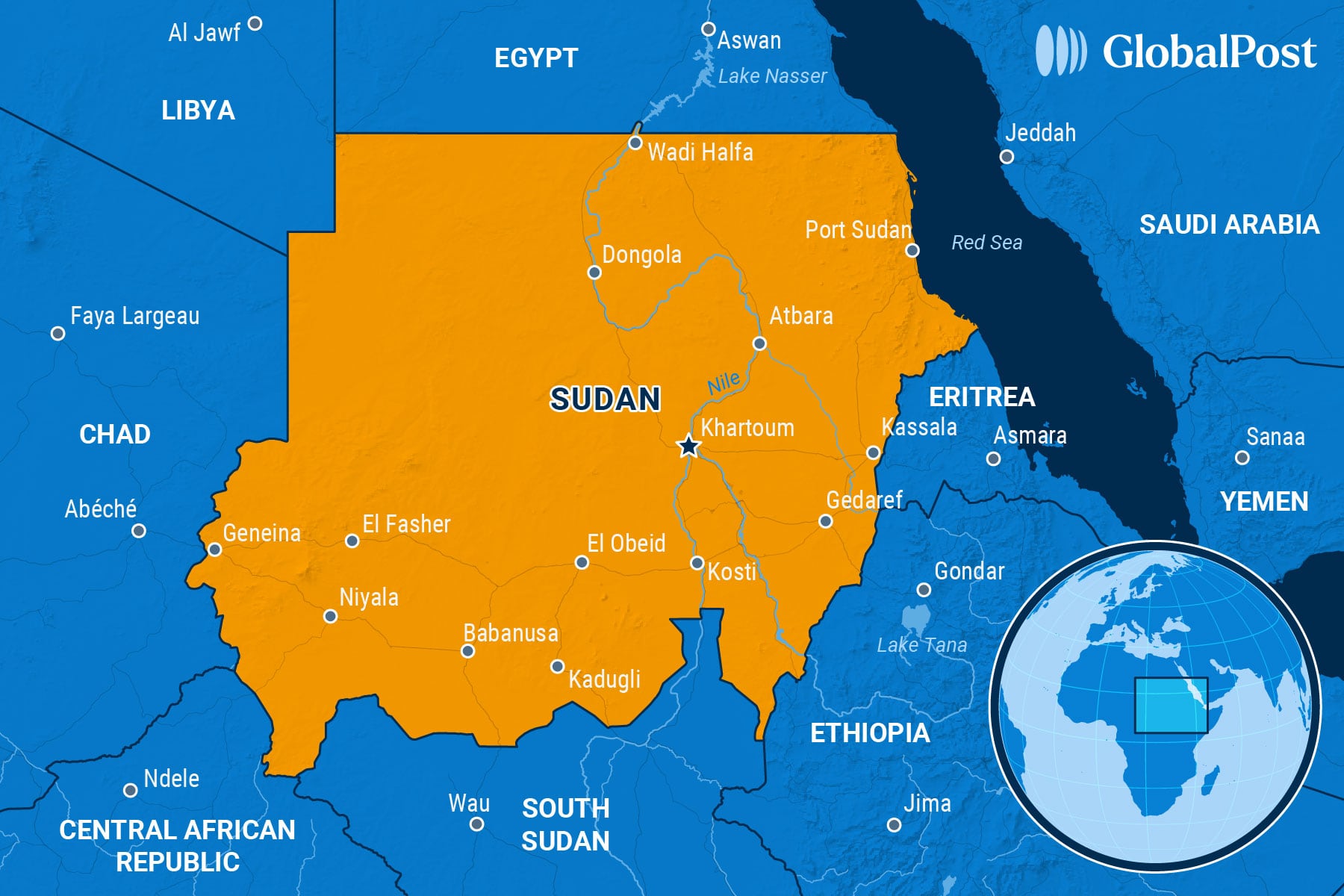
The RSF’s recent drone strikes on Port Sudan mark a shift to remote warfare following their loss of control over Khartoum. Experts describe this as a “shock and awe campaign” designed to destabilize the region. For detailed background.
2. Impact on Civilian Infrastructure and Daily Life
The drone strikes have caused power blackouts and water shortages, affecting thousands of civilians in Port Sudan, a city previously considered safe. This escalation complicates humanitarian aid delivery, exacerbating Sudan’s already dire crisis.
3. Types of Drones Used by the RSF
The RSF has employed kamikaze-style loitering drones capable of long-range strikes, likely including Chinese-manufactured CH-95s. These advanced UAVs represent a significant leap in the group’s military capability. For an analysis of drone tech in Sudan, visit Janes Defence.
4. Foreign Involvement in the Drone Supply Chain
Reports indicate foreign states such as the UAE and Iran may be supplying drones and weapons to different factions. The UAE denies allegations, while Iran has remained silent. The Washington Post investigation offers in-depth coverage of these claims.
5. Strategic Goals Behind Drone Strikes
The RSF aims to undermine government control by attacking Port Sudan’s infrastructure and supply lines, signaling that control over territory does not guarantee security. Sudanese analysts see this as an attempt to redefine power dynamics. Read expert commentary at International Crisis Group’s Sudan analysis.
6. Humanitarian Consequences of the Conflict
The drone campaign contributes to Sudan’s worsening humanitarian crisis, forcing civilians to flee and disrupting aid. The United Nations warns that continued escalation risks mass casualties and destabilization of the Red Sea region. For updates on humanitarian impact, visit UN News Sudan crisis coverage.
7. What Lies Ahead for Sudan’s Civil War?
Without diplomatic progress, drone warfare is likely to continue escalating, prolonging conflict and suffering. Analysts emphasize the urgent need for international diplomatic intervention to prevent further destruction. For ongoing diplomatic efforts, see the Foreign Affairs Sudan peace process report.
Conclusion
The introduction of drone warfare by the RSF in Sudan’s civil war marks a dangerous new chapter that threatens both military and civilian targets. Understanding the technology, foreign involvement, and humanitarian consequences is crucial as the conflict continues to evolve. Stay informed with our related articles on Sudan conflict overview and the role of drones in modern warfare.