
Introduction
Authorities in Thailand have arrested a man accused of wildlife trafficking after he was found with two baby orangutans in a basket at a gas station in Bangkok. The shocking discovery has reignited concerns over Thailand’s role as a hub in the illegal wildlife trade.
Rescue Operation and Arrest
The 47-year-old suspect was apprehended on Wednesday as he was allegedly preparing to deliver the two baby orangutans to a customer. Thai police stated that the animals were found in plastic baskets, with one of them wearing a diaper and clutching a soft toy.
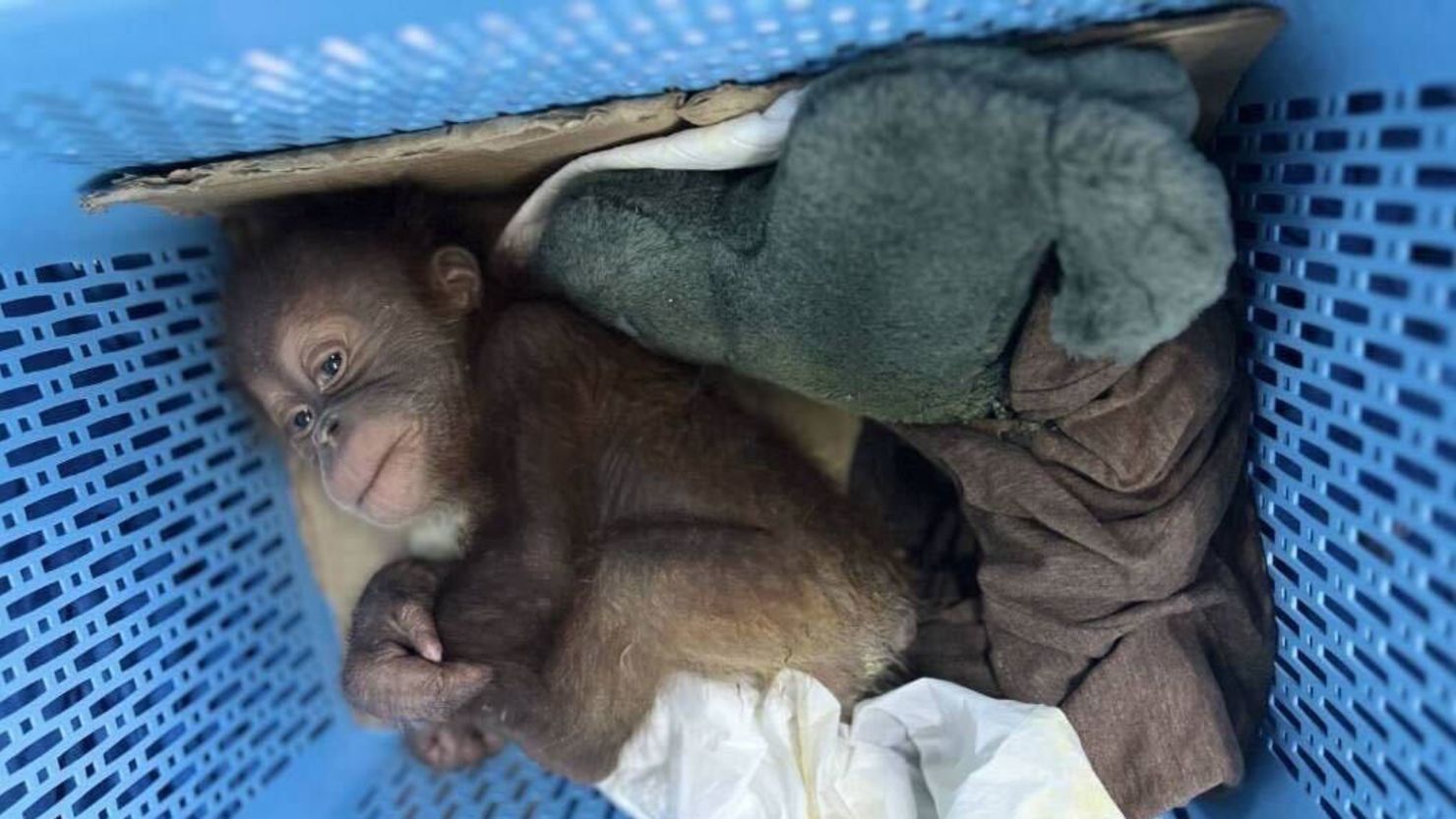
He was charged with illegally possessing protected wildlife under Thai law, facing a possible prison sentence of up to four years. The orangutans — one approximately 1 year old, and the other just 1 month old — were estimated to be worth around 300,000 Thai baht ($9,050).
Global Investigation Unfolds
The operation was a collaborative effort involving the US Fish and Wildlife Service, the Wildlife Justice Commission based in the Netherlands, and the United Nations Office on Drugs and Crime (UNODC). Authorities are investigating whether the orangutans were bred in Thailand or smuggled from abroad.
Conservation Concerns: Orangutans at Risk
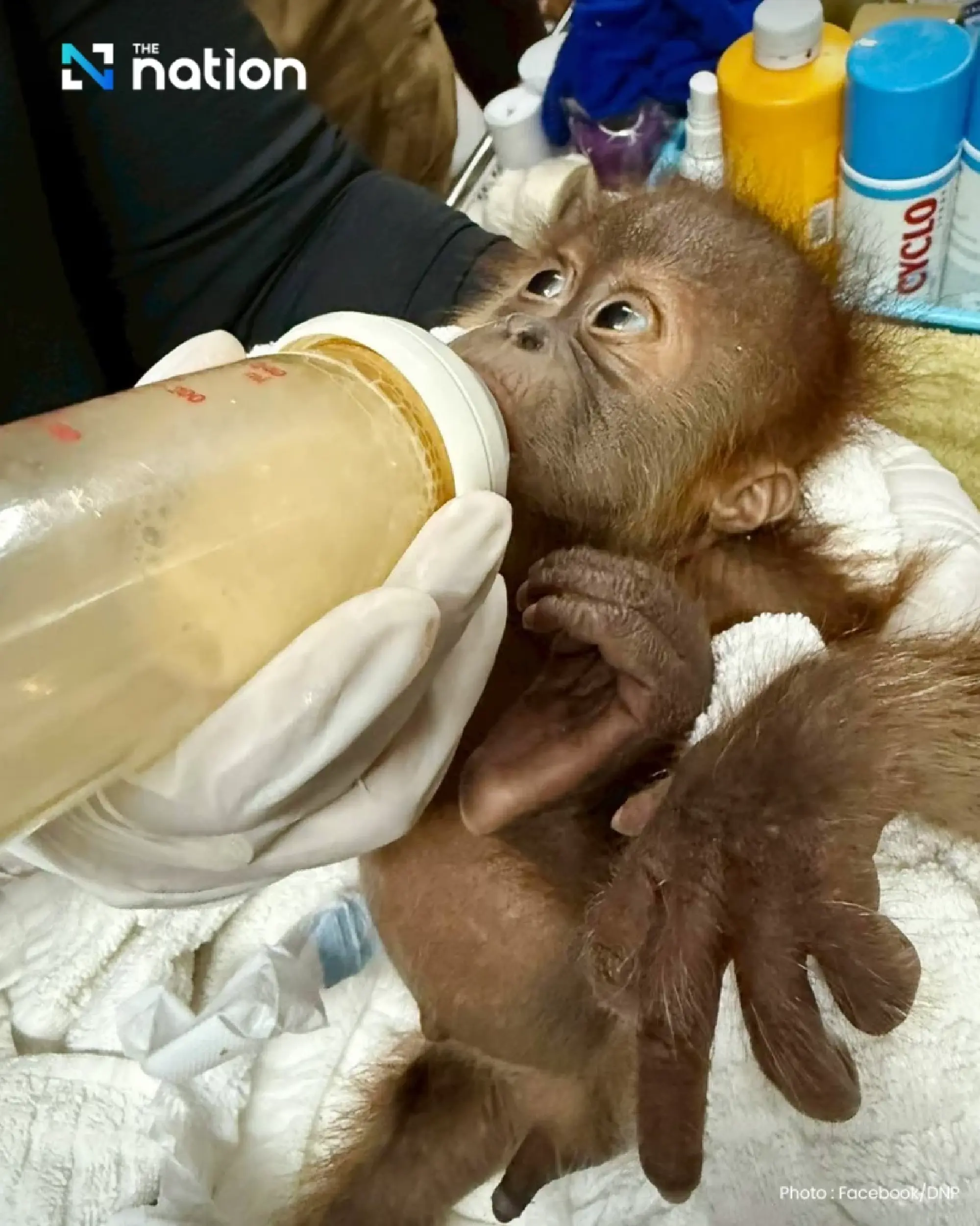
Named Christopher and Stefan, the rescued orangutans are now in the care of Thailand’s Department of National Parks, Wildlife and Plant Conservation. The 1-month-old Stefan is in an incubator due to poor health, while Christopher has been transferred to a government sanctuary.
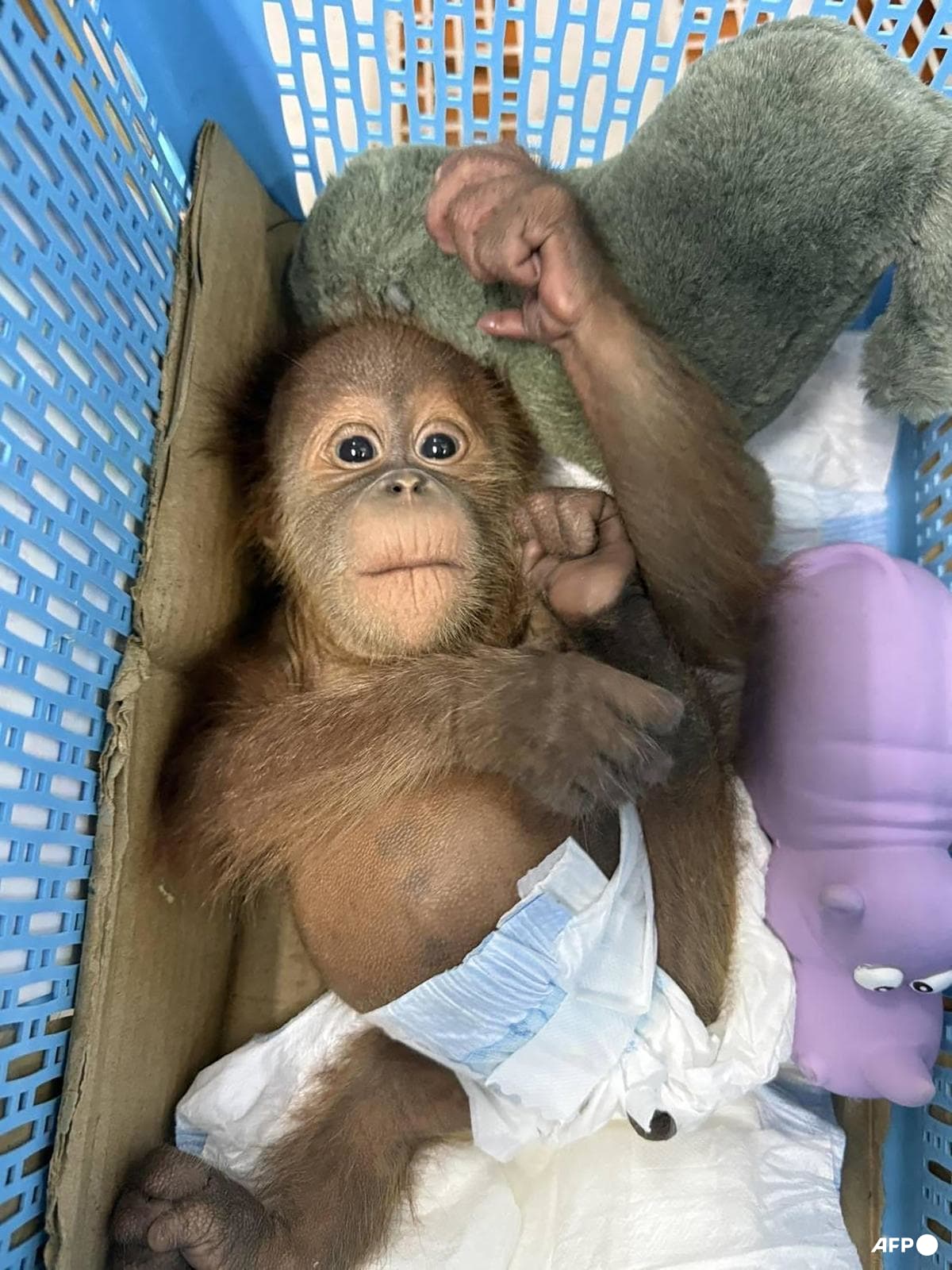
Orangutans are native to the rainforests of Sumatra and Borneo and are listed as “critically endangered” by the IUCN Red List due to deforestation, poaching, and the illegal pet trade. Conservation groups such as the World Wide Fund for Nature (WWF) have long warned of their rapidly declining numbers.
Thailand and the Golden Triangle: Wildlife Trade Hotspot
Thailand’s central location makes it a key node in the global illegal wildlife trade, particularly its border areas with Myanmar, Laos, and China, known as the Golden Triangle. This region is notorious for cross-border smuggling and wildlife trafficking operations.
Conclusion
The arrest serves as a stark reminder of the ongoing threats facing endangered species like orangutans. While efforts from international and local agencies are ramping up, conservationists emphasize the need for stricter enforcement, public awareness, and transnational cooperation to curb the illegal trade of wildlife in Southeast Asia.
Related Reads: