
Introduction
In 2025, Mali is experiencing a significant pro-democracy movement as citizens rally against the military junta’s recent actions. The dissolution of political parties and suspension of political activities have sparked widespread protests, with citizens demanding a return to civilian rule and democratic governance.
Background: Military Rule and Political Suppression
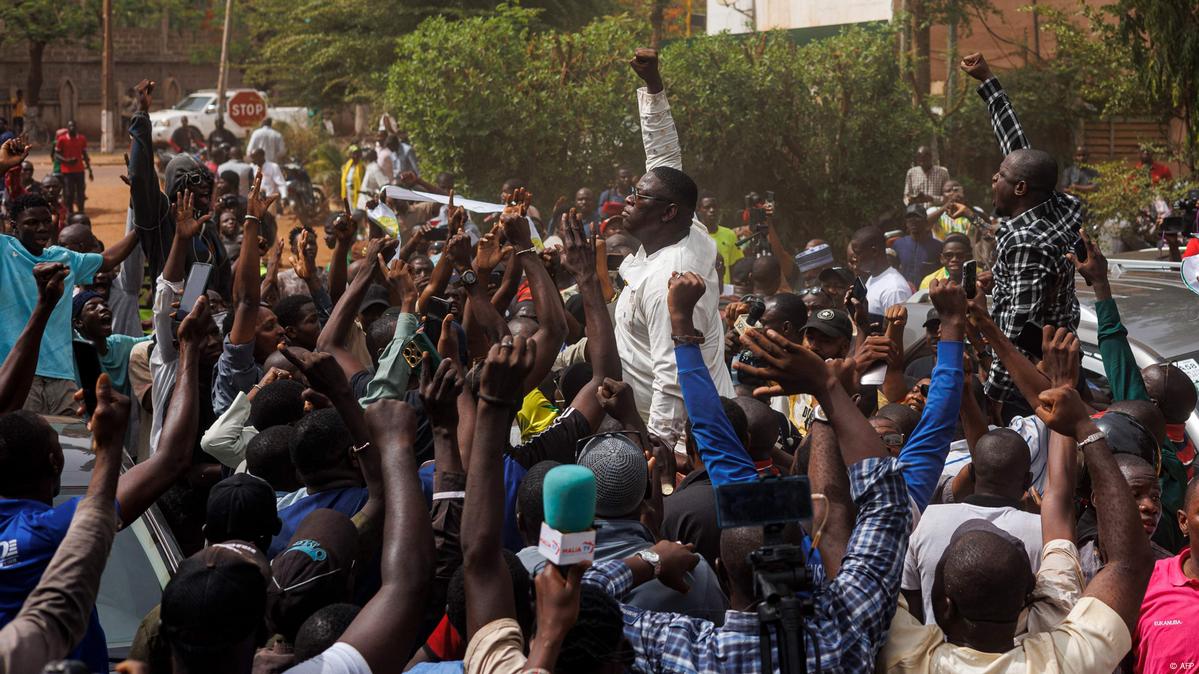
Since the military coups in 2020 and 2021, Mali has been under the control of a transitional government led by Colonel Assimi Goïta. Initially promising a return to civilian rule, the junta has instead tightened its grip on power. In April 2025, the government suspended all political activities, citing public order concerns. This move was followed by the official dissolution of all political parties in May 2025, effectively eliminating any organized political opposition .
Citizens Rise: The 2025 Pro-Democracy Protests
On May 3, 2025, hundreds of activists gathered in Bamako, marking the first significant pro-democracy protest since the military took power. Demonstrators called for the restoration of political freedoms and the organization of democratic elections. Despite threats from the authorities, the protests continued, highlighting the public’s growing frustration with the junta’s authoritarian measures [AP News].
International Condemnation and Human Rights Concerns
International organizations have condemned the junta’s actions. Human Rights Watch reported on the government’s crackdown on peaceful dissent, including the arrest of opposition figures and the suppression of civil society organizations [Human Rights Watch]. Amnesty International also criticized the dissolution of political parties, stating it violates Mali’s constitutional guarantees of political pluralism [Amnesty International].
Regional Implications and ECOWAS’s Role
The Economic Community of West African States (ECOWAS) faces challenges in addressing the political crisis in Mali. The country’s withdrawal from ECOWAS, along with Burkina Faso and Niger, has strained regional efforts to promote democratic governance. Analysts emphasize the importance of regional stability and the need for ECOWAS to engage with the breakaway nations to restore democratic norms [Reuters].

Conclusion
Mali’s pro-democracy movement in 2025 underscores the citizens’ desire for political reform and a return to civilian governance. The military junta’s suppression of political freedoms has galvanized public opposition and drawn international criticism. The path forward requires dialogue, respect for human rights, and a commitment to democratic principles to ensure a stable and prosperous future for Mali.