
Introduction
Two Chinese researchers have been charged by U.S. federal prosecutors for allegedly smuggling a dangerous plant pathogen into the United States — a case that officials warn could have had severe consequences for the nation’s food supply. The fungus in question, Fusarium graminearum, is known to cause head blight in crops such as wheat, maize, and barley, triggering billions in economic losses annually. The case is already being flagged as a possible agroterrorism threat.

Chinese Nationals Under Scrutiny
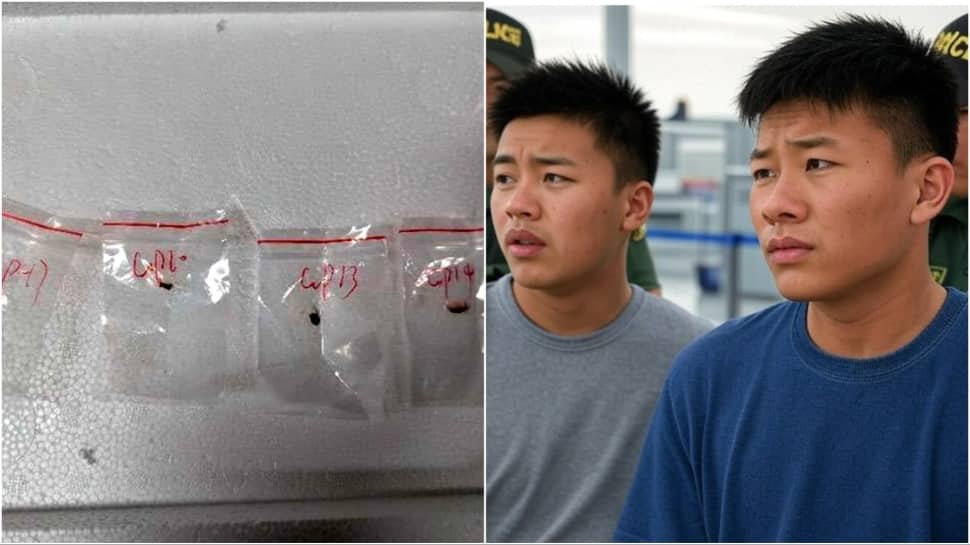
The U.S. Attorney’s Office for the Eastern District of Michigan unsealed charges on Tuesday against Jian Yunqing (33) and Liu Zunyong (34). Both face multiple counts, including conspiracy, visa fraud, providing false statements, and smuggling a potential bio-weapon.
Authorities say that Liu brought the toxic fungus into the country via Detroit Metropolitan Airport in July 2024, hiding it in his backpack. He intended to conduct research at the University of Michigan, where Jian — his girlfriend — was employed. Neither held permits required by the U.S. Department of Agriculture to possess such a dangerous organism.
The Threat of Fusarium Graminearum
Fusarium graminearum is a fungal pathogen classified as a potential agroterrorism weapon. It causes head blight in key staple crops, leading not only to major financial losses but also severe health effects in humans and livestock. These include vomiting, liver damage, and reproductive issues due to the mycotoxins it produces.
The FBI, which assisted in the investigation, considers this case part of its counterintelligence and counterterrorism efforts. An article titled “Plant-Pathogen Warfare under Changing Climate Conditions” was discovered on Liu’s phone, raising suspicions about deliberate intent.
Espionage Fears and CCP Links
Jian, who was arrested by the FBI and is currently in federal custody, is also under scrutiny for potential ties to the Chinese Communist Party (CCP). According to the FBI, she previously received state-backed funding in China to study the same fungus.
While Liu was deported back to China shortly after the incident, extradition remains unlikely as the U.S. and China do not have a bilateral extradition treaty. The FBI and U.S. Customs and Border Protection are treating this case as a serious breach of national biosecurity.
U.S. Reaction and Policy Shift
The University of Michigan issued a statement distancing itself from the accused, condemning “any actions that seek to cause harm, threaten national security, or undermine the university’s critical public mission.”
This incident coincides with a broader crackdown by the U.S. government on Chinese nationals. Just last week, Secretary of State Marco Rubio announced efforts to revoke visas of students with CCP affiliations. FBI Director Kash Patel said on social media that “China is working around the clock to infiltrate American institutions and threaten our food supply.”
Conclusion
This case has exposed alarming vulnerabilities in U.S. biosecurity protocols and the delicate intersection of international research and national security. As the FBI continues to investigate potential espionage motives, the incident has reignited fears of agroterrorism — a threat that many experts argue is increasingly likely in a changing geopolitical climate.
For more insight into how plant pathogens can be weaponized and what governments are doing to stop agroterrorism, read our related article: What Is Agroterrorism? Why Global Food Security Is at Risk.
For more background on Fusarium graminearum and agroterror threats, visit the
USDA Agricultural Research Service.