
As Ukraine inches toward possible peace negotiations with Russia, thousands of Ukrainian families remain gripped by fear—not of war, but of being forgotten missing civilians. According to Ukrainian officials, nearly 16,000 civilians are still held in Russian captivity, with 20,000+ children reportedly deported across the border since the invasion began in 2022.
But unlike prisoners of war, these abducted civilians have no legal path home.
“My Son Is So Vulnerable”: The Story of Vladislav
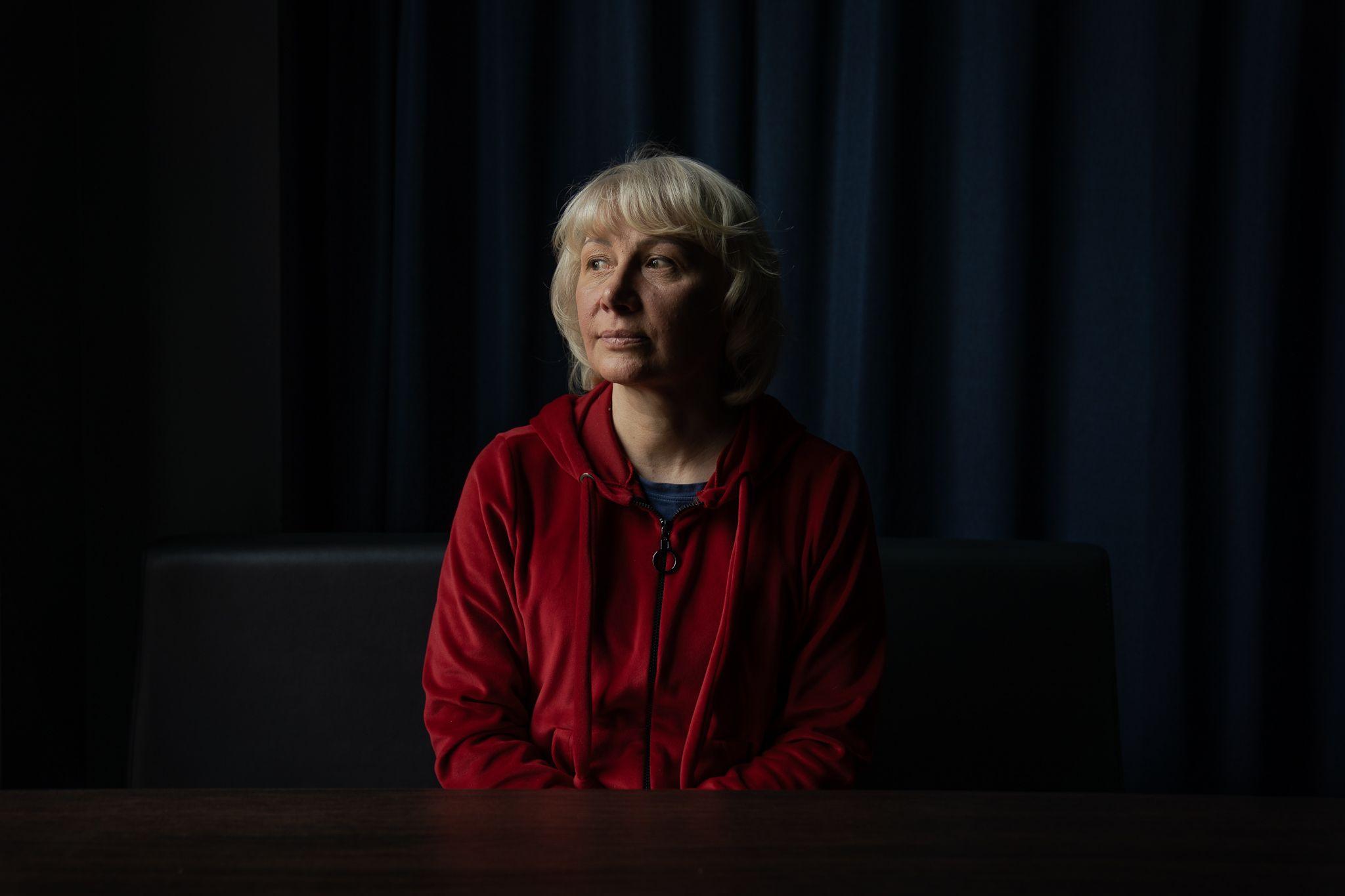
In the city of Bucha, still haunted by the atrocities of early Russian occupation, Tatyana Popovytch sits with fading photos of her son Vladislav—a ballroom dancer captured by Russian troops three years ago.
After gunfire forced him to flee with a bullet wound, Vladislav disappeared. Tatyana searched mass graves and exhumation footage for weeks until a phone call changed everything. A fellow detainee, recently released from Kursk prison, recognized Vladislav’s voice during roll call. That call became her only evidence he was alive—alongside two cold, delayed letters assuring her he was being “well treated.”
“He is so gentle, so sensitive,” she said, “I worry he will lose his sanity there.”
Peace Without Justice missing civilians?
As peace talks loom larger in diplomatic circles, families fear a ceasefire deal may not prioritize civilian detainees. Unlike combatants, civilians are not protected under clear prisoner exchange protocols governed by the Geneva Convention.
Yulia Hripun, 23, whose father was seized by Russian forces early in the war, co-founded an advocacy group campaigning for civilian release. She has met with representatives from the UN, European Parliament, US embassy, and various governments—but says no one has a plan.

“Even the Americans admitted they don’t know what’s going to happen,” Yulia said. “They mentioned Trump’s interest in deported children, but civilians are a different legal category.”
Legal Limbo and Emotional Paralysis
Ukraine’s Human Rights Ombudsman Dmytro Lubinets has echoed the concerns. “We do not have a legal basis or mechanism for returning civilian detainees,” he told the press. Some civilians have been charged with crimes such as “resisting a special military operation,” making them political prisoners in Russia’s legal framework.
This legal gray zone means peace may come, but thousands could remain trapped indefinitely.
Hope Against All Odds
Families like that of Petro Sereda—a bus driver from Irpin whose son Artem vanished more than three years ago—live in constant limbo. Petro, now living in temporary accommodation after his house was destroyed, says every phone ring makes his heart race.
“You want to believe he is coming home,” Petro says. “But it’s also hard to believe it. We just live with hope.”
Russia’s Latest Exchange: A Glimmer of Hope?
In May 2025, Russia released 120 civilians in a broader prisoner exchange. But compared to the tens of thousands of detainees, such efforts are small steps. Experts say a permanent resolution would require a new international framework—something not yet on the table at the UN.
Conclusion: A Humanitarian Crisis Within a War

The plight of Ukraine’s missing civilians underscores a sobering truth: Peace does not always mean justice. For parents like Tatyana, whose son was taken from Bucha and whose father died with the guilt of not protecting him, the wait is not just painful—it’s devastating.
“I think about him every day,” she says. “It is all I think about.”
📌 Related Read: How 20,000 Ukrainian Children Were Taken to Russia
Sources: International Committee of the Red Cross (ICRC), United Nations