
Introduction
India’s leading automaker, Tata Motors, is charging ahead with a bold vision for the future. The company announced plans to invest up to ₹35,000 crore (approximately $4.1 billion) over the next five years, focusing on expanding its electric vehicle (EV) lineup, compressed natural gas (CNG) offerings, and advanced car technologies.
Massive Investment for a Cleaner Future
Revealed during the company’s investor presentation on June 10, 2025, this move marks Tata Motors’ most aggressive push yet to dominate India’s rapidly transforming automotive market. With Reuters reporting the investment plan, it’s clear Tata is doubling down on its EV leadership while broadening its reach to meet upcoming 2027 emission regulations and India’s 2030 EV adoption goals.
 "Tata Motors to Invest $4 Billion in EVs and New Cars by 2030 1")
EV Lineup Expansion: 8 to 15 Models
Tata currently offers eight electric and hybrid models including the popular Nexon EV and Punch EV. Over the next five years, the brand plans to expand this to 15 models, including budget-friendly CNG cars and more premium EVs. This aligns with India’s aim for 30% of car sales to be electric by 2030.
Key Targets:
- Reach 16% market share by March 2027
- Aim for 18%–20% share by 2030
- Achieve EV segment dominance despite rising competition
Competition Heating Up
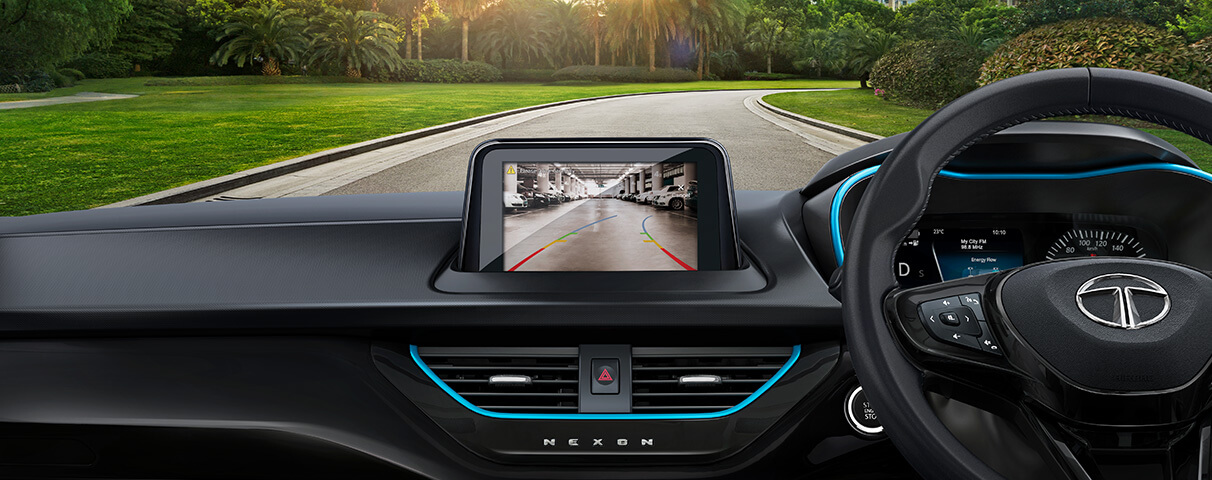
The Indian auto market has seen fierce competition in recent years. Mahindra & Mahindra has overtaken Tata in internal combustion engine (ICE) vehicles. Meanwhile, MG Motor India, backed by China’s SAIC, has gained significant ground in the EV space with its popular MG Windsor model, outselling Tata EVs since late 2024.
With these competitors in mind, Tata’s aggressive investment will help defend and grow its EV territory. The company is betting big on not just quantity, but also quality, technology, and cleaner propulsion systems.
Emission Norms & Regulatory Push
India plans to introduce stricter emission norms in 2027, prompting automakers to reevaluate product strategies. Tata’s plan includes upgrades in emissions tech and software-based features across its lineup. These include:
- Smart infotainment systems with AI
- Connected car ecosystems
- Enhanced ADAS and safety systems
This shows Tata’s intention to compete not just in hardware but in software and connected mobility — both crucial to the future of transportation.
Production and CapEx Planning

While Tata did not disclose detailed figures for the current fiscal year ending March 2026, it previously announced a ₹8,000 crore capital expenditure for its domestic businesses. The $4 billion fund will be distributed over five years to bolster R&D, manufacturing capacity, and dealership networks, especially for EV infrastructure.
The focus will also be on expanding fast-charging stations and localized battery supply chains, reducing reliance on imports.
India’s EV Future and Tata’s Role
As the world’s third-largest car market, India presents a massive opportunity. Government incentives like FAME II subsidies, state-level EV policies, and rising fuel prices have fueled the EV surge. Tata, already the largest electric car seller in India, is now positioning itself for long-term dominance.
Conclusion
Tata Motors’ $4 billion investment over the next five years signals a monumental shift in India’s auto landscape. With expanded EV models, tighter emission norms, and global-level tech integration, the automaker is racing toward a cleaner, smarter, and more connected automotive future.
As competition from Mahindra, MG, and new players like BYD and Xiaomi grows, this investment may determine whether Tata maintains its lead or becomes a follower in the next era of mobility.
For more on India’s EV market, check out our full coverage in the Electric Vehicles News Section.