
Introduction
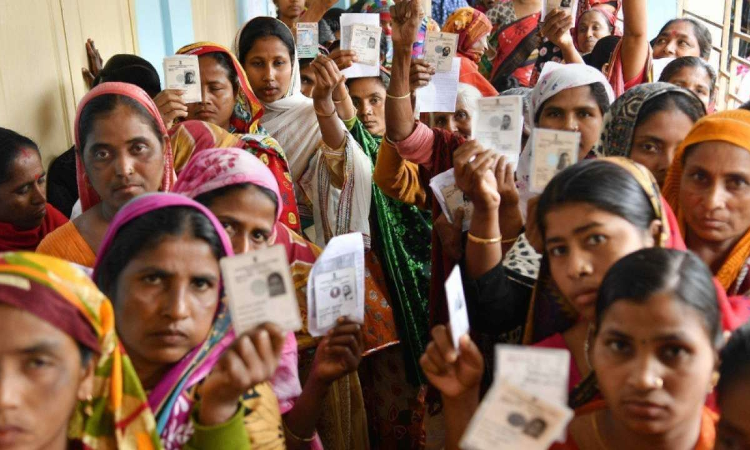
The Election Commission of India (ECI) is a constitutional authority established on 25 January 1950 under Article 324 of the Indian Constitution. It supervises and administers elections to Parliament, State Legislatures, and the offices of the President and Vice President. As India’s democracy has matured, the ECI has remained a crucial pillar ensuring free, fair, and transparent elections for over a billion citizens.
Structure and Appointment
Originally a single-member body, the ECI became a multi-member commission in 1993, consisting of a Chief Election Commissioner (CEC) and two Election Commissioners. Appointments are made by the President of India based on recommendations from a selection committee as per the 2023 Act. The CEC enjoys the same security of tenure as a Supreme Court judge, ensuring independence in decision-making.
Powers and Functions of ECI
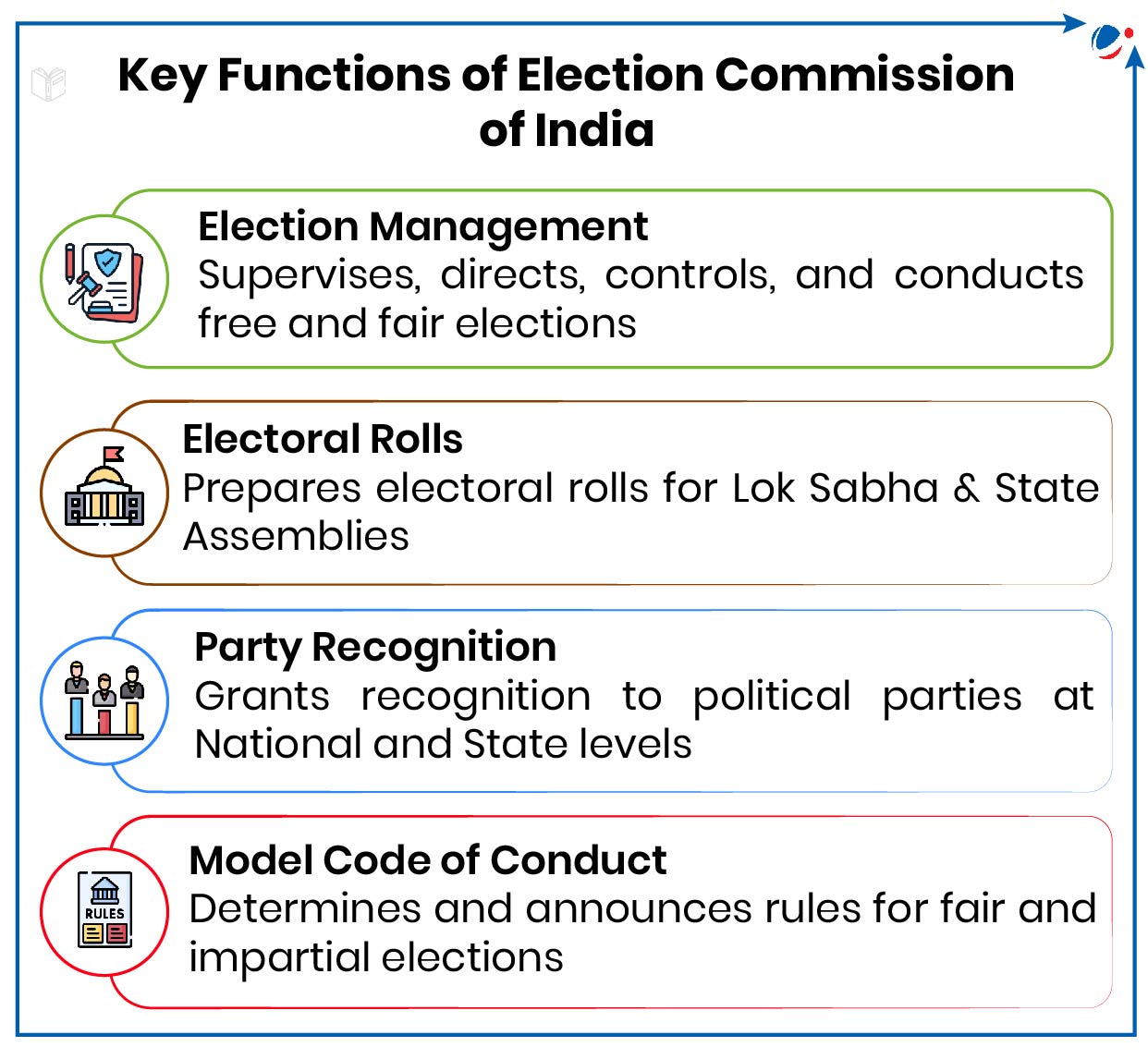
- Conducts elections for Parliament, State Assemblies, and Presidential offices.
- Prepares and updates electoral rolls ensuring accuracy and fairness.
- Recognizes political parties and allocates symbols.
- Implements the Model Code of Conduct to ensure fair campaigning practices.
- Monitors campaign finances, media usage, and enforces election laws under the Representation of the People Act, 1951.
Technological Reforms by the ECI
The ECI has continuously adopted technology to enhance transparency:
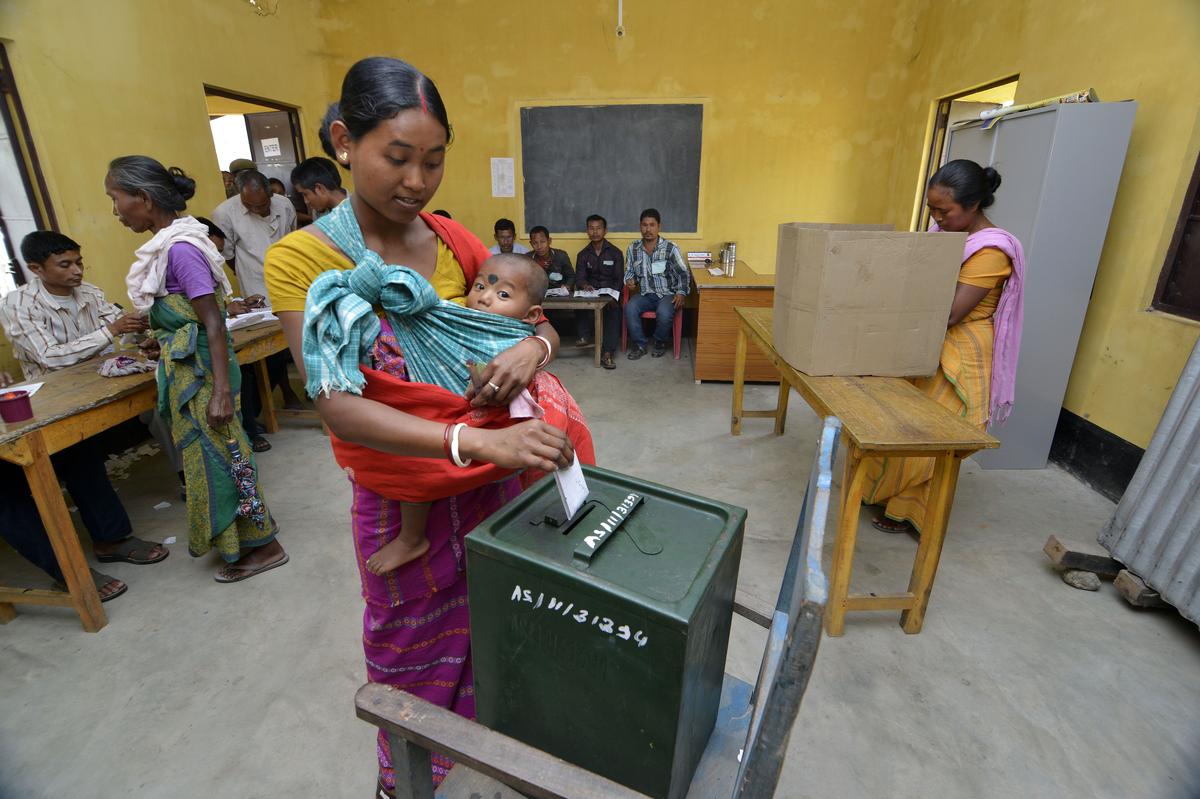
- Introduced Electronic Voting Machines (EVMs) and Voter Verifiable Paper Audit Trails (VVPATs) ensuring vote verification.
- Real-time electoral roll management using digital platforms for enrollment and corrections.
- Launched mobile apps like Voter Helpline and SVEEP to educate and empower voters.
- Used Artificial Intelligence for de-duplication of voter data ensuring accuracy and eliminating fraudulent entries.
Recent Developments and Reforms
In 2025, the ECI removed over 260,000 duplicate entries from voter rolls, emphasizing its commitment to clean electoral lists. The Commission also launched targeted drives for enrolling first-time voters aged 18-19, improving youth participation in the democratic process.
The appointment process was amended in 2023 to include a Selection Committee comprising the Prime Minister, a Cabinet Minister, and the Leader of Opposition. However, many constitutional experts advocate for inclusion of the Chief Justice of India in this process to further strengthen ECI’s independence.
Challenges and Way Forward
- Maintaining independence amid growing political scrutiny of the appointment process.
- Further strengthening audit mechanisms for VVPAT slips to build public trust.
- Expanding digital infrastructure while ensuring cybersecurity and data privacy for voter databases.
- Introducing stronger judicial oversight for electoral disputes and reforms.
Conclusion
The Election Commission of India plays an irreplaceable role in safeguarding the world’s largest democracy. Backed by constitutional authority under Article 324, it has successfully modernized election management while striving to remain independent and impartial. Continuous reforms, transparency, and strengthened oversight will ensure that the ECI remains a robust guardian of India’s democratic values. To explore more about similar constitutional authorities, visit Constitutional Bodies in India.
Image: Election Commission of India logo (alt text: “Election Commission of India Logo”).