Introduction
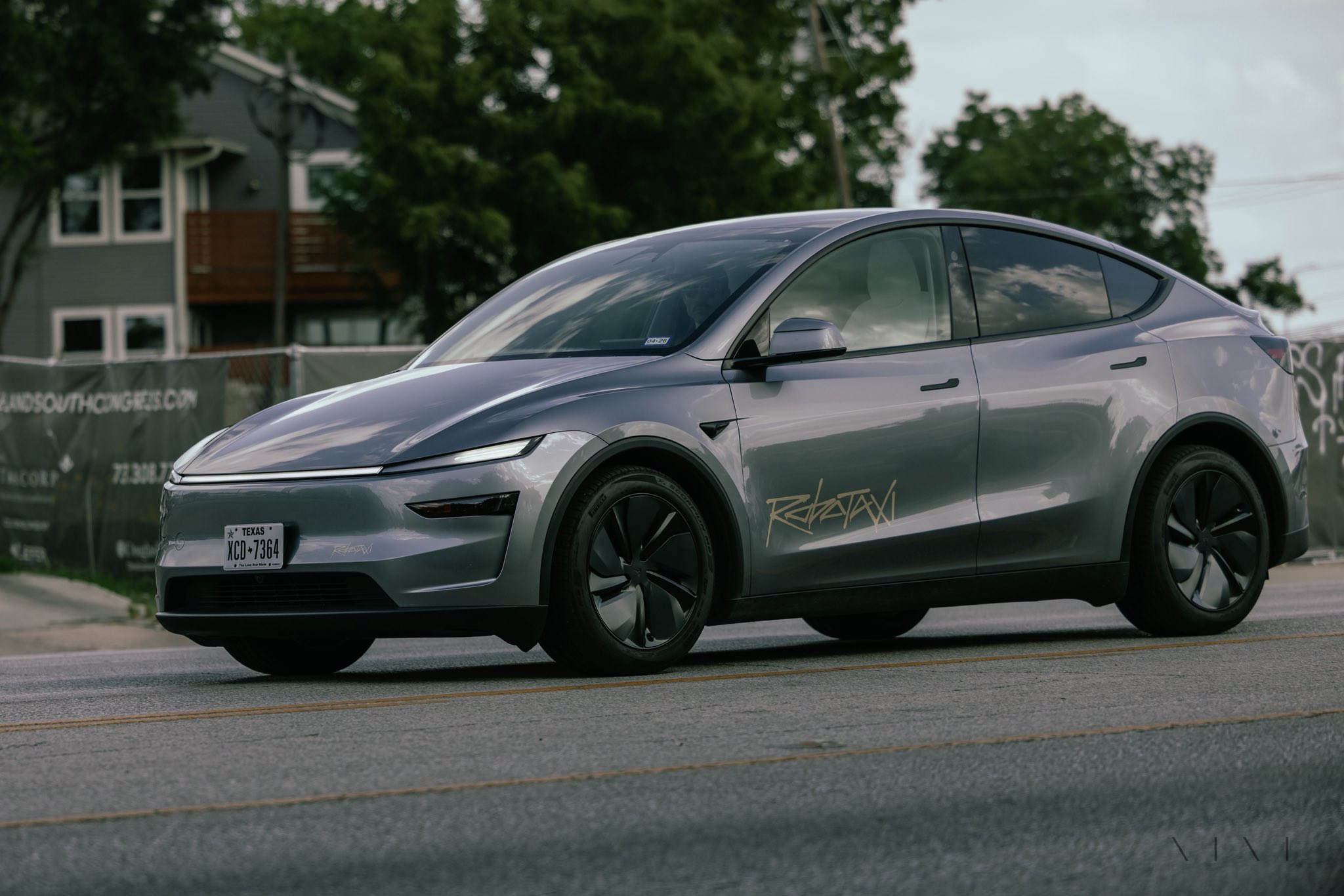
After years of speculation and multiple promises by CEO Elon Musk, Tesla robotaxi launch program has finally made its public debut. On Sunday, June 23, 2025, Tesla initiated the first phase of public autonomous vehicle trials in Austin, Texas, marking a key milestone in its pursuit of a fully autonomous future.
Robotaxis Spotted in South Congress Neighborhood
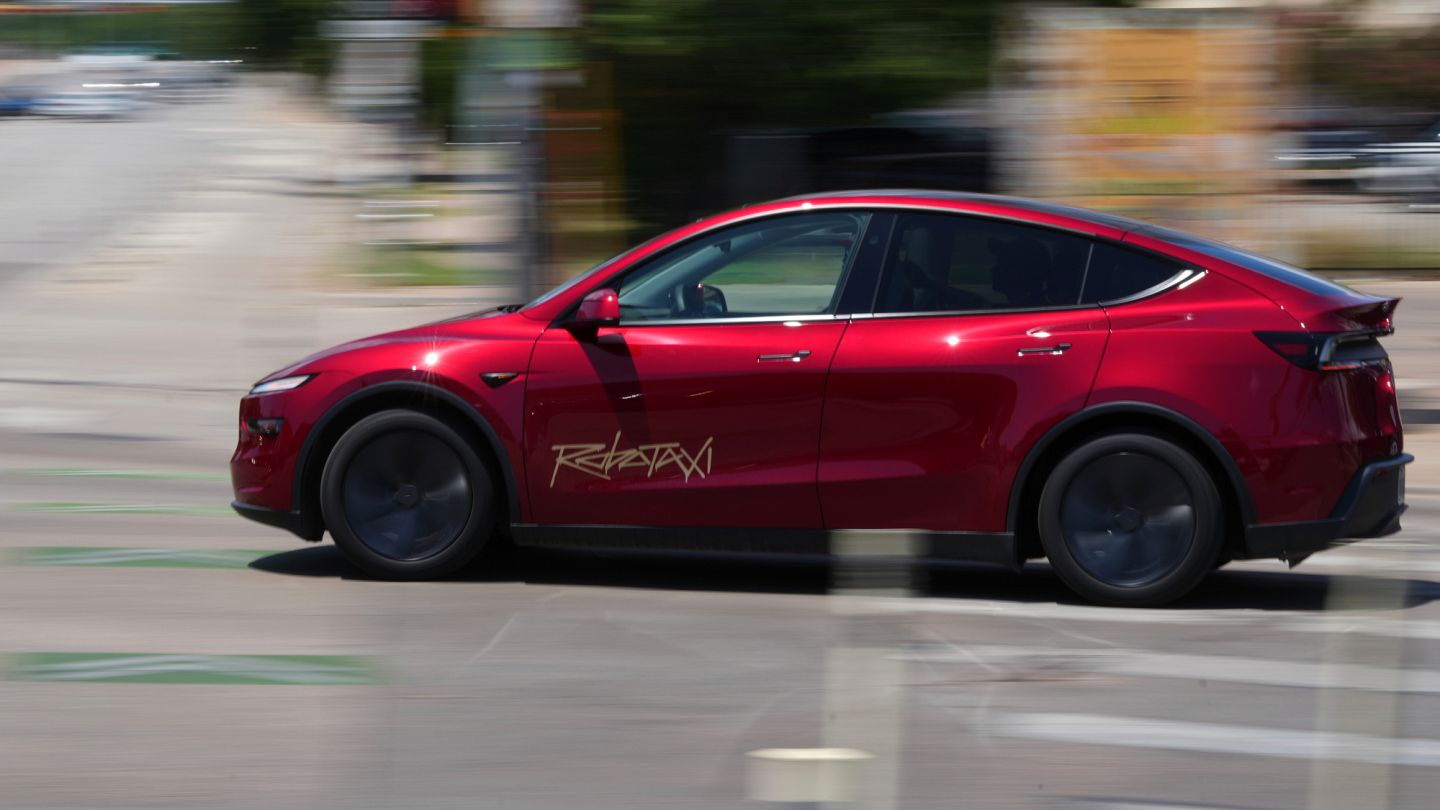
The initial trial phase includes 10 autonomous Tesla vehicles operating within a limited area of Austin. The cars, equipped with Tesla’s in-house AI and Full Self-Driving (FSD) software, were seen navigating through the South Congress neighborhood with no one behind the wheel. Influencers and early testers shared their experiences on social media, with videos confirming the lack of driver interaction and flawless short-distance commutes.
Flat-Fee Rides and Influencer Launch
To build buzz, Tesla reportedly invited select influencers to experience the service firsthand. The rides are being offered at a flat rate of $4.20 (approximately ₹360). Tesla investor and social-media influencer Sawyer Merritt posted footage of his robotaxi ride from his home to a local bar—Frazier’s Long and Low.
Elon Musk: A Decade in the Making
On X (formerly Twitter), Elon Musk celebrated the rollout as the “culmination of a decade of hard work,” highlighting that Tesla built its AI chip and software stack from scratch. Musk reiterated that safety remains the top priority, and Tesla robotaxi launch would be “super paranoid” during the testing phase, limiting vehicle operations to favorable weather and straightforward driving conditions.
Safety Monitors and Legal Oversight
While the cars appear fully autonomous, a front-seat rider is present to act as a “safety monitor.” Tesla hasn’t disclosed the level of control these monitors hold. Nonetheless, the trial avoids challenging intersections and does not permit riders under the age of 18.
Texas Introduces Autonomous Vehicle Law
Just days before the robotaxi trial began, Texas Governor Greg Abbott signed a new law mandating permits for autonomous vehicles. The law, effective from September 1, 2025, requires companies to prove their vehicles meet “Level 4” autonomy and submit emergency protocol information for first responders Tesla robotaxi launch.
Though the law isn’t as restrictive as California’s autonomous regulations, it gives Texas the authority to revoke licenses from any company deemed a public hazard. Legal expert Bryant Walker Smith of the University of South Carolina described the process as: “Easy to get, easy to lose.”

Robotaxi Market and the Bigger Picture
Autonomous mobility has long been a key element in Tesla’s growth strategy. Industry analysts note that Tesla’s valuation increasingly hinges on its ability to deliver functional robotaxis and humanoid robots. This public trial in Austin could serve as a critical testing ground for Tesla to expand robotaxi services across U.S. cities.
However, competitors like Waymo (Alphabet), Cruise (GM), and Zoox (Amazon) have already faced major roadblocks, including severe accidents and regulatory halts. In contrast, Tesla’s camera-only approach—eschewing radar and lidar—sets it apart in both cost-efficiency and controversy.
What’s Next for Tesla’s Robotaxis?
The Austin rollout is considered a small but pivotal milestone. If Tesla proves its system is safe and scalable, broader implementation across Texas and other states could soon follow. Yet, experts warn that a complete, unrestricted autonomous ride-hailing service is still years away.
Philip Koopman, an autonomous-vehicle researcher at Carnegie Mellon University, said, “This is the end of the beginning—not the beginning of the end.”
Conclusion
The launch of Tesla robotaxi launch trial in Austin may not be a full-fledged commercial service yet, but it undoubtedly marks a major turning point in the journey toward self-driving mass transit. With regulatory support, advanced AI integration, and Elon Musk’s persistent vision, the robotaxi future is slowly becoming a reality—one city at a time.
Related News
Image