
Introduction
The Ainu language, spoken by Japan’s Indigenous people, is classified as “critically endangered” by UNESCO. With only a handful of native speakers left, the language faced near extinction after decades of state assimilation policies. But now, Artificial Intelligence (AI) is stepping in — using old recordings and speech synthesis to help breathe new life into the nearly lost tongue.
Ainu: A Language Nearly Erased

The Ainu people have lived in Hokkaido and parts of northern Japan since at least the 12th century. After Japan annexed their lands in the late 1800s, policies banned the use of the Ainu language in schools, accelerating its decline. By 1917, only 350 fluent speakers remained. Today, very few are left.
Maya Sekine, a 25-year-old Ainu YouTuber from Nibutani, grew up listening to Ainu bedtime stories. Despite her family’s effort, most of her peers and even relatives spoke only Japanese. “Language is the connection between our culture and values,” she said, emphasizing the urgent need for revitalization.
AI Steps In to Save the Language
Enter Tatsuya Kawahara, an informatics professor at Kyoto University, leading an initiative to use AI for speech recognition and synthesis. His team is digitizing and processing over 400 hours of Ainu audio from old analog recordings shared by the Upopoy National Ainu Museum and the Nibutani Ainu Culture Museum.

“The sound quality is rough, but the AI is learning,” Kawahara noted. The technology now achieves up to 85% word recognition accuracy and over 90% for phoneme detection. The AI can even narrate old Ainu folktales like Tale of Bear and Raijin’s Sister using synthesized voices based on original speakers.
Balancing Preservation with Cultural Sensitivity
Still, this revival isn’t without controversy. Sekine and other community members worry the AI might mispronounce words or generate inauthentic speech. Ethical concerns around data ownership and exploitation also loom large, given Japan’s history of commodifying Ainu culture for tourism and media.
“We don’t want our language turned into another product,” Sekine warned. David Adelani, a computer science expert at McGill University, echoed this sentiment, stressing that AI projects must be “by the speakers, for the speakers.”
Learning From Global Indigenous AI Efforts
Across the globe, Indigenous communities like the Sámi in Scandinavia and the Māori in New Zealand have used AI to reclaim linguistic sovereignty. Speech datasets and translation models developed locally ensure that communities retain control over their digital futures.
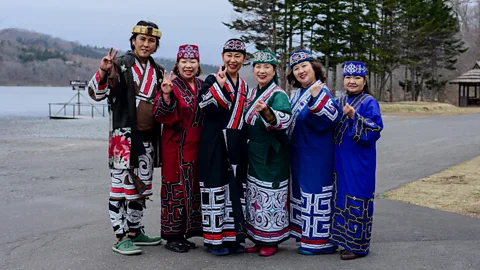
Francis Tyler from Mozilla Foundation’s Common Voice project says the goal is “to train communities to build their own tools, not just hand them models.” The same principle is now inspiring Ainu educators like Kenji Sekine, Maya’s father and longtime Ainu language teacher in Hokkaido.
AI Can Help, But It’s Not the Only Answer
Despite its promise, AI is only part of the solution. The India’s renewed space ambitions and its astronaut training show that cultural technology investments must go hand-in-hand with education and social support.
In Hokkaido, kids learn Ainu through community classes, oral stories, and cultural crafts. “AI should supplement living knowledge, not replace it,” says Kenji, who still teaches weekly lessons to children aged 7 to 15.

Conclusion
The future of the Ainu language may lie in a hybrid approach — blending traditional oral storytelling with cutting-edge AI tools. With community-led oversight and ethical design, AI could empower Japan’s Indigenous people to reclaim their voices and ensure their culture thrives into the next century.
Want to learn more about the intersection of technology and heritage? Visit The Morning News Informer for the latest updates on AI, space, and culture.