
The 2024 Oscar-winning film Conclave, based on the bestselling novel by Robert Harris, captivated global audiences with its portrayal of the intensely private process of electing a new pope. With no obvious frontrunner in the story, the film offers a rare and dramatized glimpse into one of the most secretive and historically rich ceremonies in the world: the Vatican’s papal conclave.
As 134 cardinals prepare to elect a successor to Pope Francis on May 7, real-life events are beginning to echo the drama depicted in the film. Here are four key ways the film Conclave sheds light on how popes are chosen—and why the process remains so fascinating.
1. The Weight of Isolation and Sacred Responsibility
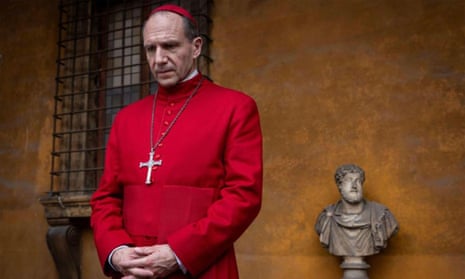
One of the most striking portrayals in the film is the enforced isolation of the cardinal-electors within the Vatican. Once the conclave begins, they are sealed off from the outside world inside the Sistine Chapel, with all communication cut off. This tradition, which dates back centuries, is designed to prevent external influence and media leaks.
Stephen Bullivant, professor of theology at St Mary’s University, notes, “They all need feeding, they’re not totally hermetically sealed off,” but the ritual of withdrawal remains a powerful symbol of introspection. The film powerfully evokes the sense of burden and spiritual accountability each cardinal feels while making one of the most consequential decisions in Catholic history.
2. Political Intrigue and Behind-the-Scenes Jostling
Although the conclave is sacred, Conclave does not shy away from showing the political maneuvering that can take place within the chapel walls. In the film, alliances form, candidates undermine each other, and unexpected figures rise as dark horses. According to film editor Nick Emerson, “It’s essentially about the political machinations that go on.”
Professor Tina Beattie adds real-world insight: “There will be all those tussles going on and [the cardinals] won’t all be of one mind.” She suggests that such positioning often begins well before the conclave officially opens, especially in light of Pope Francis’s recent health concerns.
3. Global Diversity Adds Unpredictability
One of the most compelling themes in both the film and real life is unpredictability. In Conclave, an unknown cardinal—secretly appointed by the late pope—enters the election process. While fiction, it mirrors the current reality in which many of the cardinal-electors were appointed by Pope Francis, often from regions historically underrepresented in papal elections.
About 80% of the cardinals set to vote this May were chosen by Francis himself. As Professor Anna Rowlands points out, many are from developing countries “not normally given a red hat,” bringing new perspectives and priorities. This global diversity makes the outcome far from certain.

4. The Conclave Atmosphere: Cloistered and Charged
Perhaps the greatest strength of Conclave is its immersive portrayal of the conclave atmosphere—quiet, sacred, but fraught with tension. Beneath the painted ceiling of Michelangelo’s Last Judgment, each cardinal must cast their ballot in silence. The film dramatizes this with claustrophobic cinematography and hushed tones that build suspense.
Professor Rowlands, currently on secondment to the Vatican, says that in real life, much of the tension builds before the conclave itself, in informal discussions and pre-election meetings. “They’re working out what the priorities are and learning how to work together as a body,” she explains. This collaborative and spiritual journey is key to electing a unifying leader.
‘A very human thing’
The film presents the cardinals as fallible human beings jostling for power.
Director Edward Berger told the BBC last year that while the conclave was thought of as “an ancient spiritual ritual”, he wanted to bring the participants “into modernity”.
“We put them on this pedestal, and when you look closer, they’re going to have cell phones, they’re going to smoke, they have the same problems and vices and secrets as we do.”
Prof Rowlands says the film provides a peek behind a process, with all elements of human nature and human life in it: “Loss. grief, ambition, fear, temptation, courage.”
She adds: “It’s a very, very human thing, a conclave… It’s got a divine purpose to it, but it’s a very human thing.”
Conclusion: Fiction Reflecting a Fascinating Reality
Conclave may be a work of fiction, but its insights into the election of a pope are deeply rooted in truth. From political maneuvering to sacred seclusion, the film dramatizes a process that, while centuries old, remains deeply relevant and compelling. As real-life cardinals gather in the Sistine Chapel, the world watches—and waits for that plume of white smoke.
For more insight into papal elections and religious cinema, explore our in-depth guide on how popes are chosen and our list of top religious films of 2024.