
In a recent statement, UN Secretary-General Antonio Guterres urged both India and Pakistan to exercise “maximum restraint” following the Pahalgam massacre on April 22, 2025. His call for peace, however, raised eyebrows as it mirrored previous appeals made after major terrorist events, such as the Balakot airstrike of 2019. Guterres’ rhetoric was similar, but his omission of vital context surrounding the attack and its religious motivations calls into question the impartiality of his approach.
Context of the Pahalgam Attack
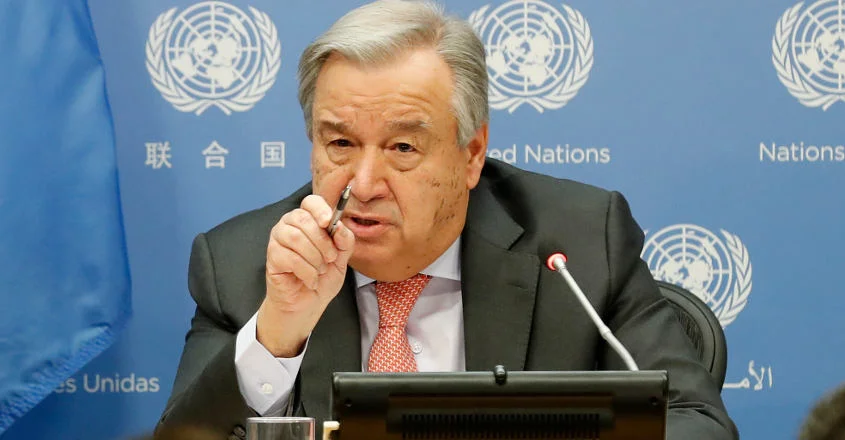
The Pahalgam attack, which saw the brutal killing of 26 civilians, mostly tourists, has stirred intense debates. While Guterres condemned the killings, he failed to address the religious targeting behind the attack. The terrorists reportedly selected their victims based on religious identity, yet Guterres did not mention the role of Islamic terrorism in this heinous act, something that raises concerns about his neutrality in the matter.
The UN’s Past Stance on India-Pakistan Tensions
This is not the first time Guterres has made headlines with his statements on India and Pakistan. After the 2019 Balakot airstrike, in which India retaliated against Pakistan-based terrorist attacks, Guterres once again called for restraint. However, it was Pakistan’s actions that prompted India’s military response. Similarly, Guterres criticized India’s abrogation of Article 370, which revoked Jammu and Kashmir’s special status in 2019, invoking the 1972 Simla Agreement as a point of contention.
Double Standards on the Citizenship Amendment Act (CAA)
Guterres’ remarks extended to India’s Citizenship Amendment Act (CAA) of 2020, where he expressed concerns about the risk of statelessness for millions of Muslims in India. While the CAA has nothing to do with citizenship for Indian Muslims, Guterres’ comments seemed to fuel the global narrative of rising discrimination against minorities in India, even though the Act was not discriminatory by its very nature. For more details on CAA.
India’s Firm Stance on National Security
Despite Guterres’ appeal for peace and restraint, India has made it clear that it will continue to take “firm and decisive” action against terrorism and its sponsors. Prime Minister Narendra Modi’s government has adopted a no-compromise stance on national security, and India has already announced measures like suspending the Indus Waters Treaty and closing the Attari border crossing as punitive actions against Pakistan.
The UN’s Role in De-escalating Tensions
Guterres offered the UN’s “good offices” to mediate, but India has rejected international interference. Instead, the country is focusing on ensuring that Pakistan faces the consequences of sponsoring terrorism, including the actions of Lashkar-e-Tayyeba in the Pahalgam massacre. For India, the priority remains to eliminate cross-border terrorism and prevent further attacks.
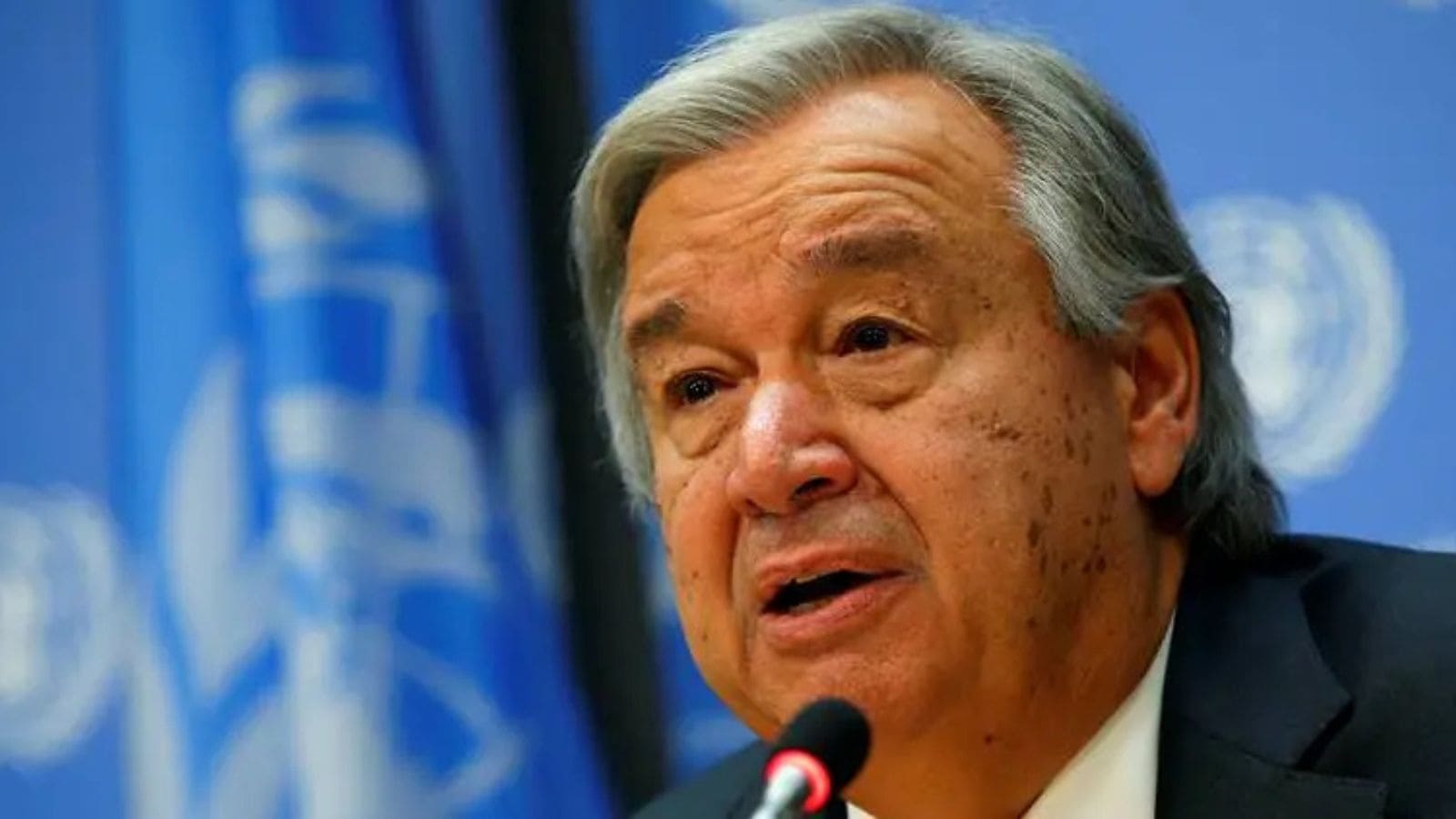
Guterres condemns Pahalgam terror attack
“Targeting civilians is unacceptable – and those responsible must be brought to justice through credible and lawful means,” he said.
“It is also essential – especially at this critical hour — to avoid a military confrontation that could easily spin out of control,” Guterres added.
Ties between India and Pakistan plummeted following the Pahalgam attack that killed 26 people, mostly tourists.
India announced a raft of punitive measures against Pakistan including suspension of the Indus Waters Treaty, shutting down of the only operation land border crossing at Attari and downgrading of diplomatic ties following the terror attack.
Prime Minister Narendra Modi said India is committed to taking “firm and decisive” action against terrorists and their backers.
PM Modi also told the top defence brass that the armed forces have “complete operational freedom” to decide on the mode, targets and timing of India’s response to the attack.
Conclusion: A Call for Accountability
As tensions between India and Pakistan continue to escalate, Guterres’ role in mediating the crisis is crucial. However, the UN Secretary-General must acknowledge the complex realities of terrorism and avoid skewed statements that fail to address the core issue—Islamic terrorism. Until then, India will likely continue to prioritize its national security measures without yielding to international pressure.
For more insights on the India-Pakistan conflict and India’s national security strategies, stay updated with our latest coverage.