
In the aftermath of India’s Operation Sindoor—a precise counterstrike targeting terror camps in Pakistan and Pakistan-occupied Kashmir—cross-border firing by the Pakistan Army has left 13 people dead, including four children and one Indian soldier.
What is Operation Sindoor?
Launched in the early hours of May 7, 2025, Operation Sindoor involved 24 precision missile strikes on nine terror hubs associated with Lashkar-e-Taiba, Jaish-e-Mohammed, and Hizbul Mujahideen. The strikes were a direct retaliation for the April 22 Pahalgam terror attack in which 26 civilians—including a Nepali tourist—were killed.
The operation reportedly lasted just 25 minutes but resulted in the deaths of 70 terrorists and injuries to over 60 others. Importantly, Indian forces avoided striking Pakistani military installations to prevent full-blown escalation.
Pakistan’s Response: 14 Days of Ceasefire Violations
The Pakistani Army violated the ceasefire for the 14th consecutive day, according to the NDTV report. The Ministry of Defence clarified that the strikes targeted only terror infrastructure, not Pakistani military installations, to avoid escalation.
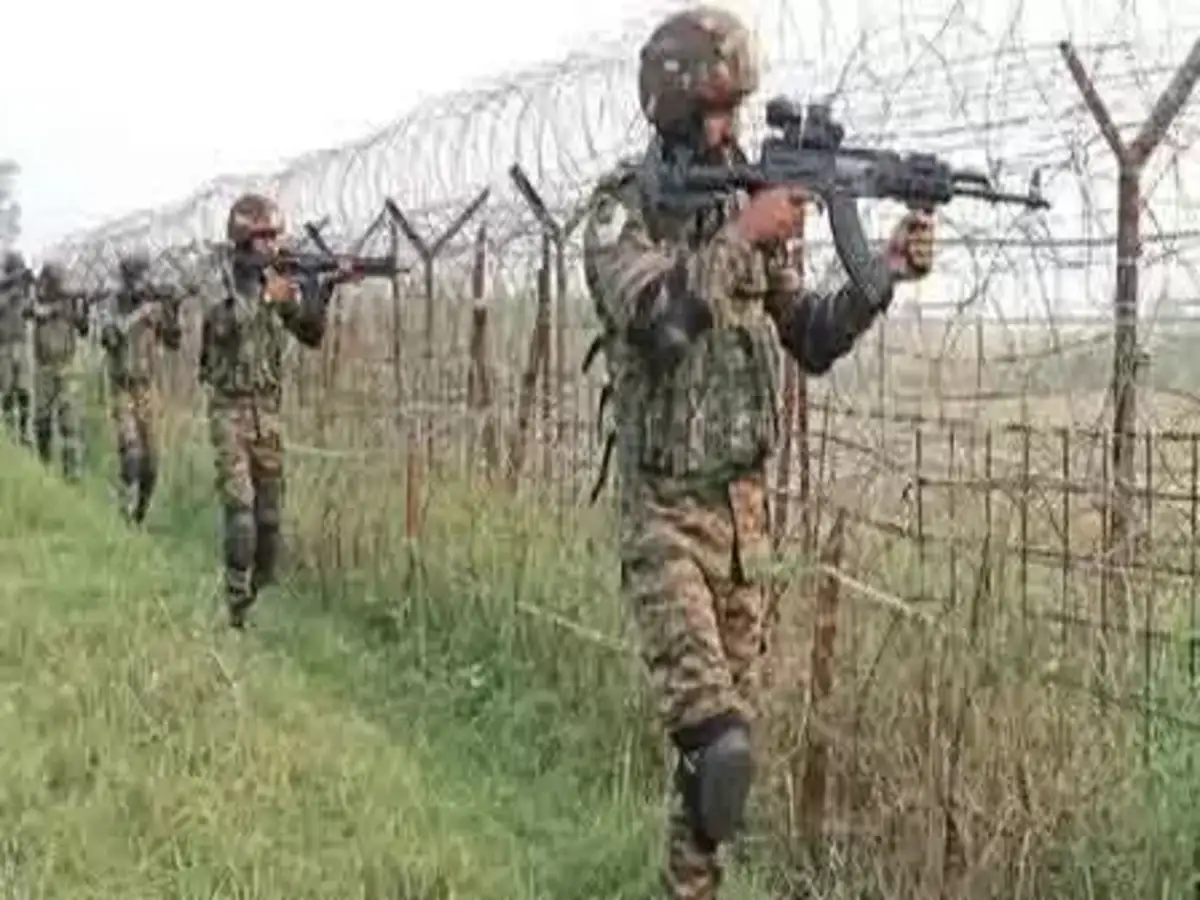
The shelling has been described as the worst in years, and Indian forces responded “proportionately” according to the Ministry of Defence. The civilian death toll includes four children, while soldier Dinesh Kumar Sharma of Haryana also lost his life.
Shashi Tharoor’s Strong Words: “India Against Terror”
Congress MP Shashi Tharoor praised India’s strategic and inclusive approach in briefing the global community about the operation. He pointed out that Foreign Secretary Vikram Misri (a Kashmiri Pandit), Colonel Sophiya Qureshi (a Muslim), and Wing Commander Vyomika Singh led the communication effort.
“We are India against terror. We are united. What a wonderful message to send,” Tharoor said, directly responding to Pakistan Army Chief Gen. Asim Munir’s claim that Hindus and Muslims cannot coexist.
International Reactions
- France, Russia, and Israel supported India’s right to self-defense.
- China called for “restraint and dialogue,” avoiding direct support for Pakistan.
- Most nations stressed the need for de-escalation and praised India’s measured response.
Broader Implications
Following the Pahalgam attack, India also suspended the Indus Waters Treaty with Pakistan, signaling a deepening diplomatic rift. With multiple ceasefire violations and heightened military alertness, the situation along the LoC remains volatile.

The Indian government has reiterated its commitment to targeting only terror infrastructure, not civilian or military facilities, indicating its preference for a limited, strategic response rather than full-scale war.
Shashi Tharoor praised India’s approach and emphasized the diversity of officials who briefed global powers, countering Pakistan Army Chief Asim Munir’s divisive remarks.
Conclusion
As India mourns the loss of civilian lives and honors its fallen soldier, national unity across political lines remains strong. The coming days will be critical in determining whether diplomacy prevails or further escalation unfolds.
Stay updated on this developing story by following our coverage on the India News section.