
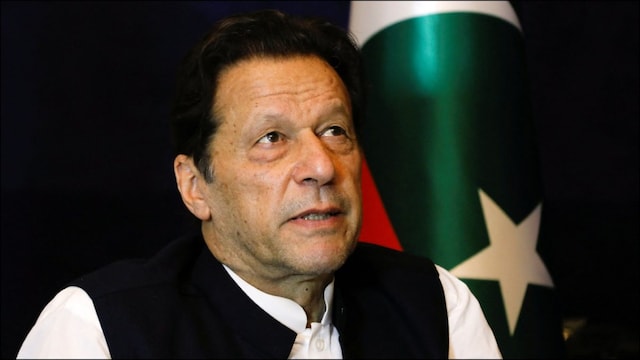
Former Pakistan Prime Minister Imran Khan is facing increasing threats to his life while imprisoned in Rawalpindi’s Adiala Jail, as tensions between India and Pakistan escalate. His party, the Pakistan Tehreek-e-Insaf (PTI), has filed a petition demanding his release, citing grave health concerns and the possibility of harm due to ongoing missile and drone attacks from both sides.
Imran Khan’s Detention and Growing Concerns
Imran Khan, 72, has been in custody since August 2023, facing over 200 legal charges. Many of these charges are seen by his supporters as politically motivated. Despite the legal battles, Khan remains a significant political figure, with PTI emerging as the largest party in Pakistan’s parliament. However, his detention in the high-security Adiala Jail has raised alarms due to escalating tensions between India and Pakistan. Reuters offers a comprehensive overview of Khan’s detention and legal challenges.
Drone Threats and Escalating Tensions
The situation is becoming more critical as both India and Pakistan have engaged in missile and drone strikes across the border. Indian drones have recently struck deep inside Pakistani territory, reaching as far as Rawalpindi, where Khan is held. PTI officials and Khan’s close aides have expressed fears that one of these drones could hit the Adiala Jail, putting his life in immediate danger. For more on India’s air defense response, see Defense News.
PTI’s Petition for Imran Khan’s Release
In response to these threats, Khan’s party filed a petition in the Islamabad High Court, seeking his release from detention. The petition argues that Khan’s health has deteriorated due to the prolonged detention and the ongoing volatile security situation. PTI members have suggested that Khan be placed under house arrest or granted parole until the situation stabilizes. Legal experts from Hindustan Times analyze the complexities of Khan’s legal predicament.
Death Threats and Military Concerns
A close aide to Imran Khan shared that Pakistan’s Defence Minister Khawaja Asif had hinted at the possibility of drones targeting the prison. The aide described these comments as a direct death threat to the former prime minister. PTI President Junaid Akbar warned that the current war-like situation could be used as cover for the military to harm Khan under the guise of a military operation. To understand the broader context of military tensions, read more at Al Jazeera.
Global Repercussions and the Stability of the Region

If Khan were to perish while in custody, the political repercussions for Pakistan would be profound. His death could further destabilize the region, which is already under extreme strain due to the ongoing military actions between India and Pakistan. Both countries continue to exchange fire along the Line of Control (LoC), with India recently launching Operation Sindoor, targeting terror camps in Pakistan and Pakistan-occupied Kashmir (PoK). For a detailed analysis of India-Pakistan relations, refer to this BBC report.
Conclusion
The international community is closely monitoring the escalating situation between India and Pakistan. With drone strikes continuing and political instability in Pakistan, the safety of Imran Khan remains a critical concern. The petition for his release is not just about his personal safety, but also about the broader implications for regional peace and stability. As tensions rise, it is crucial to find a diplomatic resolution to avoid further conflict. Stay updated on this developing story with our comprehensive analysis of India-Pakistan relations.