
The risk of terrorist groups gaining access to nuclear weapons or materials in Pakistan is a grave concern for global security. While Pakistan has established robust safeguards modeled largely on U.S. security practices, recent attacks on nuclear facilities and the volatile internal security environment highlight ongoing vulnerabilities. This article delves into Pakistan’s nuclear safeguards, identifies key weaknesses, and explains why terrorist organizations such as al-Qa`ida and the Pakistani Taliban pose a real threat to the country’s nuclear arsenal.
Pakistan’s Nuclear Safeguards: A Robust But Tested System
Pakistan’s nuclear security framework consists of multiple layers designed to prevent unauthorized access and use of nuclear weapons. These include physical security measures, personnel reliability programs, technical safeguards, and extensive secrecy and deception tactics.
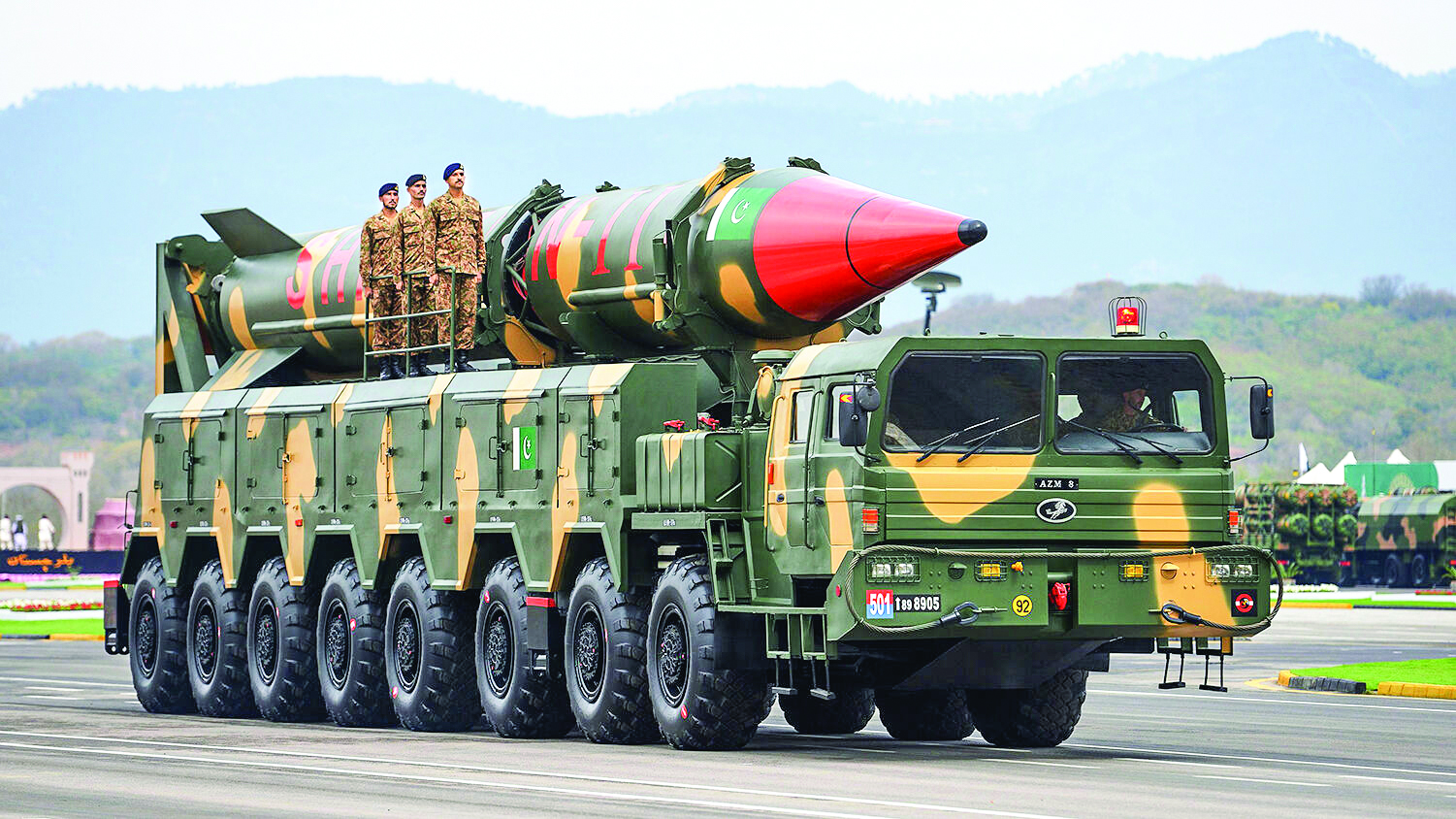
- Physical Security: Pakistan employs concentric tiers of armed forces to guard its nuclear sites, physical barriers, intrusion detectors, and separation of warhead cores from detonation components. Key sites are often underground and heavily fortified.
- Personnel Reliability: The Pakistan Army’s Strategic Plans Division (SPD) carefully selects personnel, mostly from Punjab province, to limit extremist infiltration. They use stringent screening, staff rotation, and a “two-person” rule to reduce insider threats.
- Technical Safeguards: A rudimentary Permissive Action Link (PAL)-type system electronically locks nuclear weapons to prevent unauthorized detonation, akin to the banking industry’s “chip and pin” system. Learn more about PALs at the Federation of American Scientists.
- Secrecy and Deception: The exact locations of nuclear storage, command structures, and deployment sites are highly classified. Dummy missiles and misinformation further complicate adversaries’ targeting efforts.
For more on nuclear security and safeguards, see our Nuclear Weapons category.
Vulnerabilities and Recent Terrorist Attacks on Nuclear Sites
Despite these measures, Pakistan’s nuclear infrastructure remains vulnerable. Many nuclear sites are located near or within areas controlled or influenced by militant groups such as the Pakistani Taliban and al-Qa`ida, which have demonstrated the capability to launch attacks even in major cities like Islamabad and Rawalpindi.
Significant terrorist attacks on nuclear-related facilities include:
- The November 1, 2007 attack on the missile storage facility at Sargodha.
- The December 10, 2007 suicide bombing at Kamra nuclear airbase.
- The August 21, 2008 assault by Pakistani Taliban suicide bombers at Wah cantonment, one of the main nuclear weapons assembly sites. More on the Wah Cantt Attack.
These incidents expose the risk of:
- Causing fires or explosions that could release radiological hazards.
- Seizing nuclear components or weapons outright through coordinated armed assaults.
- Exploiting weaknesses in security protocols or insider collusion.
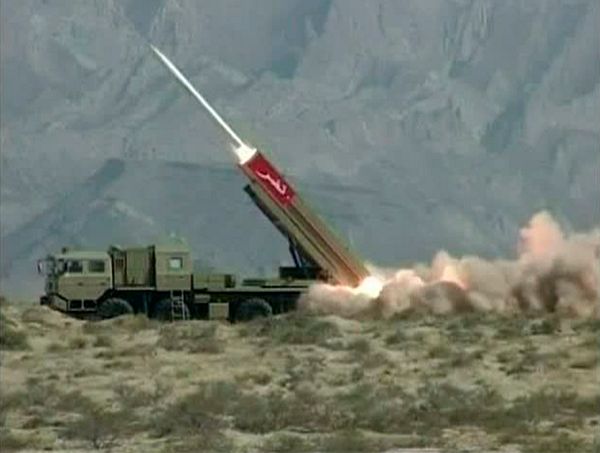
The Insider Threat and Risk of Collusion
One of the most serious concerns is the potential for insiders within Pakistan’s military and intelligence services to collude with terrorist groups. Historical evidence shows:
- The proliferation network led by AQ Khan, Pakistan’s nuclear program architect, who facilitated nuclear technology transfer to other countries.
- The “Islamization” of the Pakistan Army, which may increase sympathies toward Islamist extremist groups among personnel with nuclear access.
Check out our related blog post: Pakistan’s Insider Threat to Nuclear Security.
International Implications and Conclusion
The potential transfer of nuclear weapons, components, or expertise to terrorist groups in Pakistan presents a catastrophic threat to regional and global security. This risk demands continued international pressure, especially from the United States, to strengthen Pakistan’s nuclear security and ensure reliable personnel controls.
Recent military operations against militant groups in Pakistan’s tribal areas are positive steps but more comprehensive measures are needed to neutralize the threat completely. Pakistan’s nuclear weapons remain an existential risk not only to the region but to the entire world.