
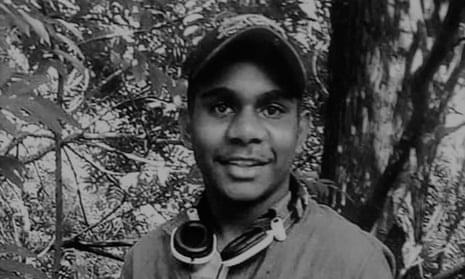
The Warlpiri community in Central Australia has been shaken by the death of Kumanjayi White, a 24-year-old Aboriginal man who died while in police custody at an Alice Springs supermarket. This tragedy has reopened painful wounds for the remote Yuendumu community, which also lost 19-year-old Kumanjayi Walker in a police shooting six years ago.
Calls for Transparency and Independent Investigation
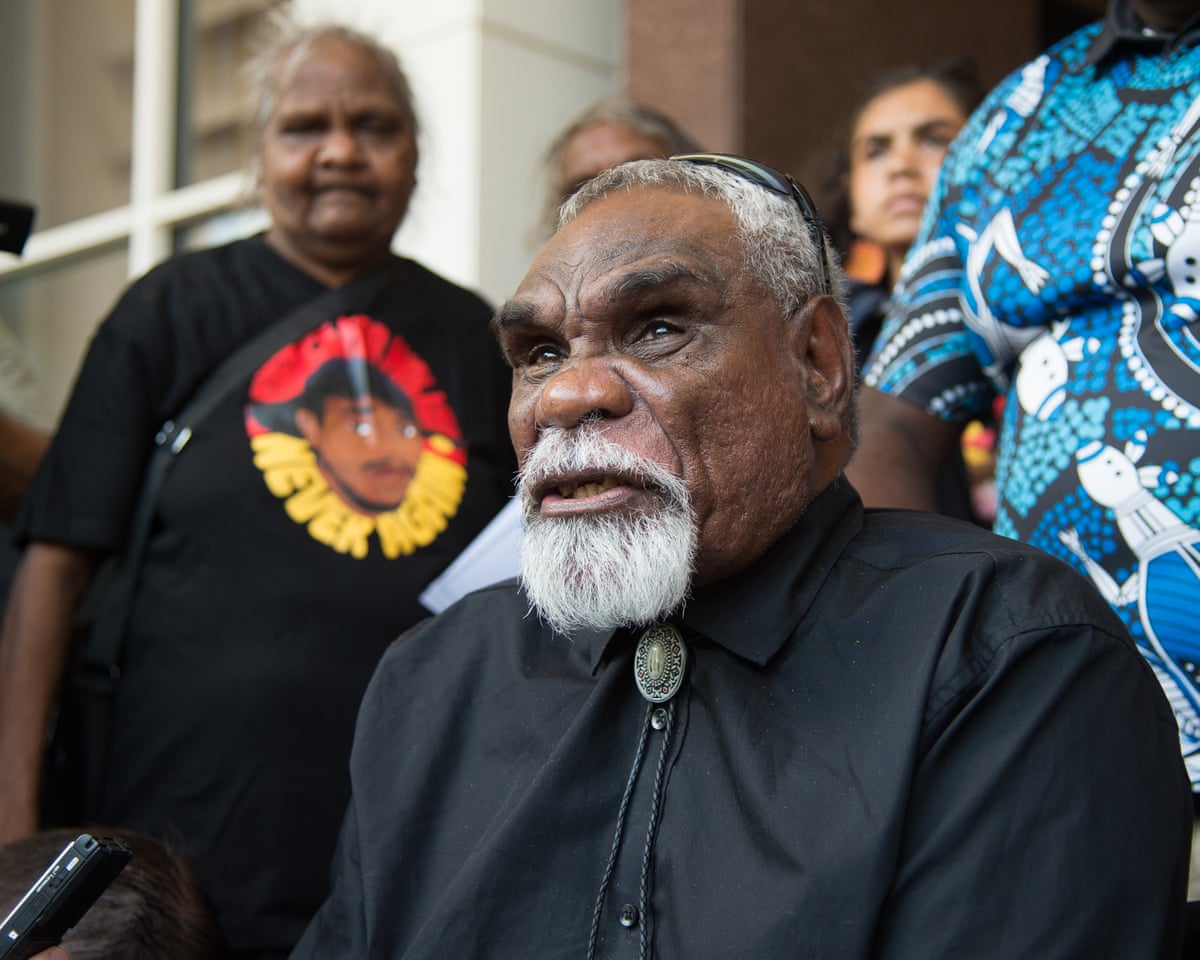
White’s family, led by his grandfather and Warlpiri leader Ned Hargraves, are demanding full access to CCTV and police body camera footage, as well as an independent investigation into the circumstances of his death. “We know that he was held down by two police officers until he lost consciousness and perished,” Hargraves stated, expressing deep frustration at the authorities’ refusal to release the footage.
White had been living in supported accommodation due to disabilities and needed care rather than criminalisation. Gene Hill, a former employee at the supermarket where White died, highlighted the need for Indigenous security guards and interpreters to bridge communication gaps and support people with special needs.
The Context of Indigenous Deaths in Custody
This latest death is the second to devastate the Yuendumu community after the 2019 police shooting of Kumanjayi Walker. Walker’s death sparked nationwide protests and highlighted longstanding issues of police violence against Indigenous Australians. According to Amnesty International, Indigenous Australians are disproportionately represented in custody deaths, with 595 deaths reported since a 1991 Royal Commission into Aboriginal deaths in custody.
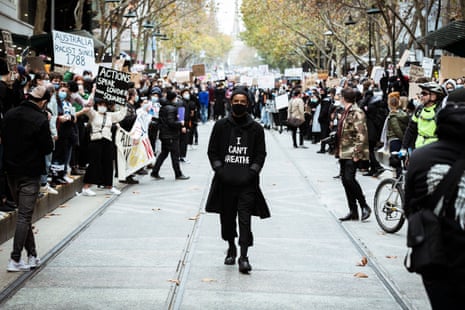
White’s death also occurred on the fifth anniversary of George Floyd’s murder in the US, a global rallying point for the Black Lives Matter movement. This coincidence has intensified calls for justice and systemic reform.
Political Responses and Community Tensions
The Northern Territory Police Force confirmed that White “stopped breathing” after being restrained by two plainclothes officers and will investigate the matter on behalf of the coroner. However, independent Senator Lidia Thorpe and human rights groups like Amnesty International are pushing for an investigation separate from police oversight to ensure impartiality.
Northern Territory Minister for Indigenous Australians Malarndirri McCarthy acknowledged the “many traumas” experienced by the Warlpiri community and suggested that an independent inquiry “may be warranted.” Meanwhile, NT Chief Minister Lia Finocchiaro defended the police investigation, calling McCarthy’s comments “unhelpful” and urging calm.
Advocacy groups such as Justice Not Jails criticize the Northern Territory’s “tough on crime” policies for escalating policing of Aboriginal communities, which they argue has contributed to increased incarceration and heightened risks of deaths in custody.
Community Mourning and Protests
A candlelight vigil was held in Sydney to honor White’s memory, with further protests planned across Australia. The small Yuendumu community, located nearly 300 km from Alice Springs, continues to grapple with grief and demands for justice as the legal process unfolds. The inquest into Walker’s death, originally scheduled for early June, has been postponed to July 7 at the family’s request.
Conclusion
Kumanjayi White’s death highlights the urgent need for systemic change in how Indigenous Australians are treated by law enforcement. The Warlpiri community and human rights advocates alike call for transparency, accountability, and meaningful reform to prevent further tragedies. Until these calls are addressed, the shadow of these deaths will continue to weigh heavily on remote communities and the nation as a whole.
For more on Indigenous rights and justice in Australia, read our detailed coverage at Justice for Indigenous Australians.
Sources: Al Jazeera – June 4, 2025, Amnesty International – Indigenous Justice