
Apple’s strategic decision to source most of its iPhones sold in the US from India marks a significant shift in its global manufacturing strategy. Amid rising tariffs and trade tensions with China, India has become a critical player in Apple’s production network. Here’s a breakdown of why this move is happening and what it means for the tech giant and the global market.
1. Rising Tariffs on Chinese Exports
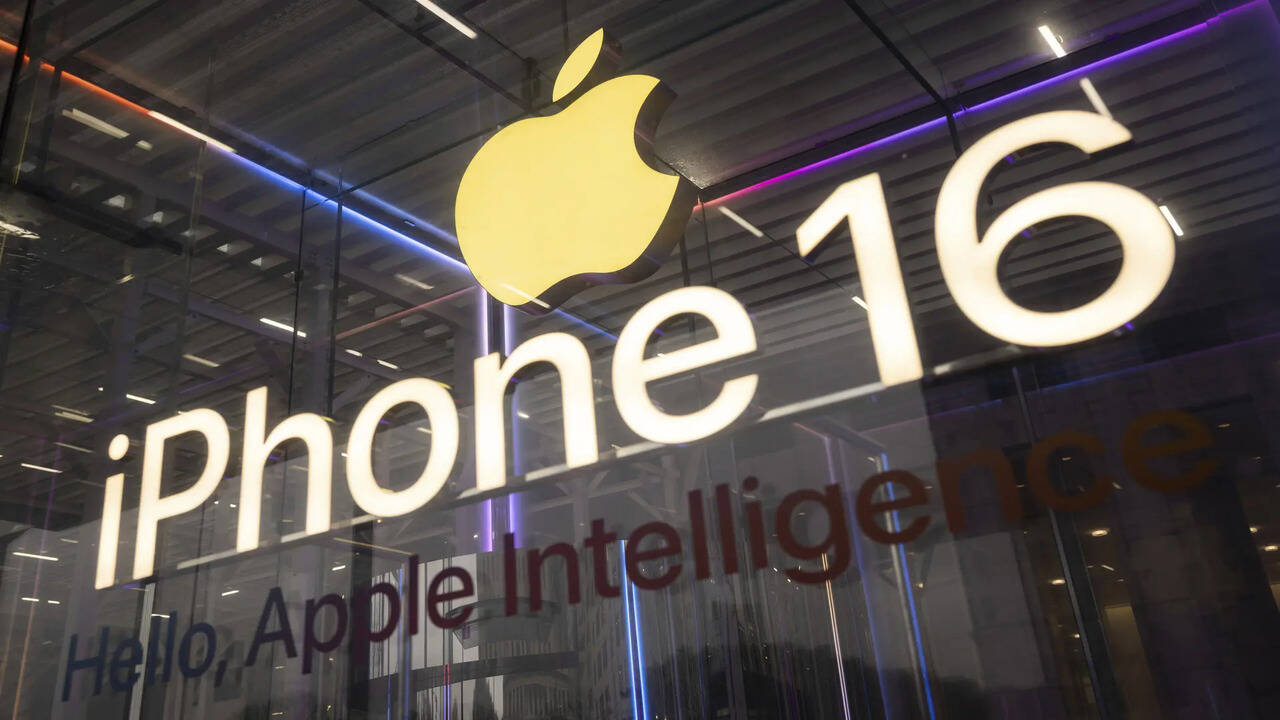
One of the driving factors behind Apple’s decision is the escalating trade tensions and tariffs on Chinese exports to the US. A 20% tariff on Chinese-made Apple products, combined with a 125% tariff on specific categories, has made manufacturing in China increasingly expensive for Apple. As a result, India’s tariff-free advantage allows Apple to lower costs and keep its US prices competitive. Learn more about tariffs on Chinese exports in this Reuters article.
2. India’s Role as a Manufacturing Hub
India now produces 20% of Apple’s global iPhone units, a significant increase from just 14% in FY24. With major manufacturers like Foxconn, Pegatron, and Tata Electronics ramping up production, India is fast becoming a key hub for iPhone assembly. This shift not only helps Apple maintain its cost structure but also positions India as a strong competitor to China in the global manufacturing arena.
3. Leveraging the Production-Linked Incentive (PLI) Scheme
The Indian government’s Production-Linked Incentive (PLI) scheme has been a major catalyst in Apple’s decision to expand manufacturing in the country. The scheme offers financial incentives to manufacturers, making it more attractive for Apple and its contract manufacturers to scale operations in India. This has contributed to a sharp increase in iPhone exports, especially to the US.
 "Top 5 Reasons Apple Is Shifting iPhone Production to India for US Market 2")
4. Expanding India’s Trade Advantage Over China
India benefits from a distinct trade advantage over China due to its tariff exemption on iPhone exports to the US. This allows Apple to cut costs, pass savings onto consumers, or enjoy better margins on its iPhone sales in the US. By leveraging India’s trade policies, Apple can stay competitive in the face of ongoing tariff battles with China. Read more about the India-US trade benefits on India’s Ministry of External Affairs website.
5. Apple’s Long-Term Strategy in India
Looking ahead, Apple plans to increase its iPhone production share in India to over 25% by FY26. This growth is driven by an increasing focus on local manufacturing, a move that has not only helped Apple reduce costs but also expanded its footprint in the rapidly growing Indian market. With significant shipments to the US, India is quickly becoming a strategic player in Apple’s global supply chain.
Conclusion: A Game-Changer for Apple and the US Market
Apple’s decision to shift a majority of its US-bound iPhone production to India is a strategic move to combat rising tariffs and optimize its supply chain. As the company continues to rely on India for more of its iPhone production, the global tech landscape is set to experience significant shifts, especially as Apple grows its manufacturing base in the country. With India’s continued rise as a manufacturing powerhouse, Apple is poised to strengthen its position in the US market while mitigating the impacts of global trade tensions.
Related Articles: