
Introduction
In a significant development in the Democratic Republic of Congo (DRC), the United Nations has confirmed that Rwanda-backed rebels, including the M23 group, have expressed interest in a peaceful resolution to the ongoing crisis in the country’s eastern region. This comes months after rebels seized the strategic city of Goma in January 2025, displacing hundreds of thousands and escalating the humanitarian catastrophe.
Peace Summit Led by the United Nations
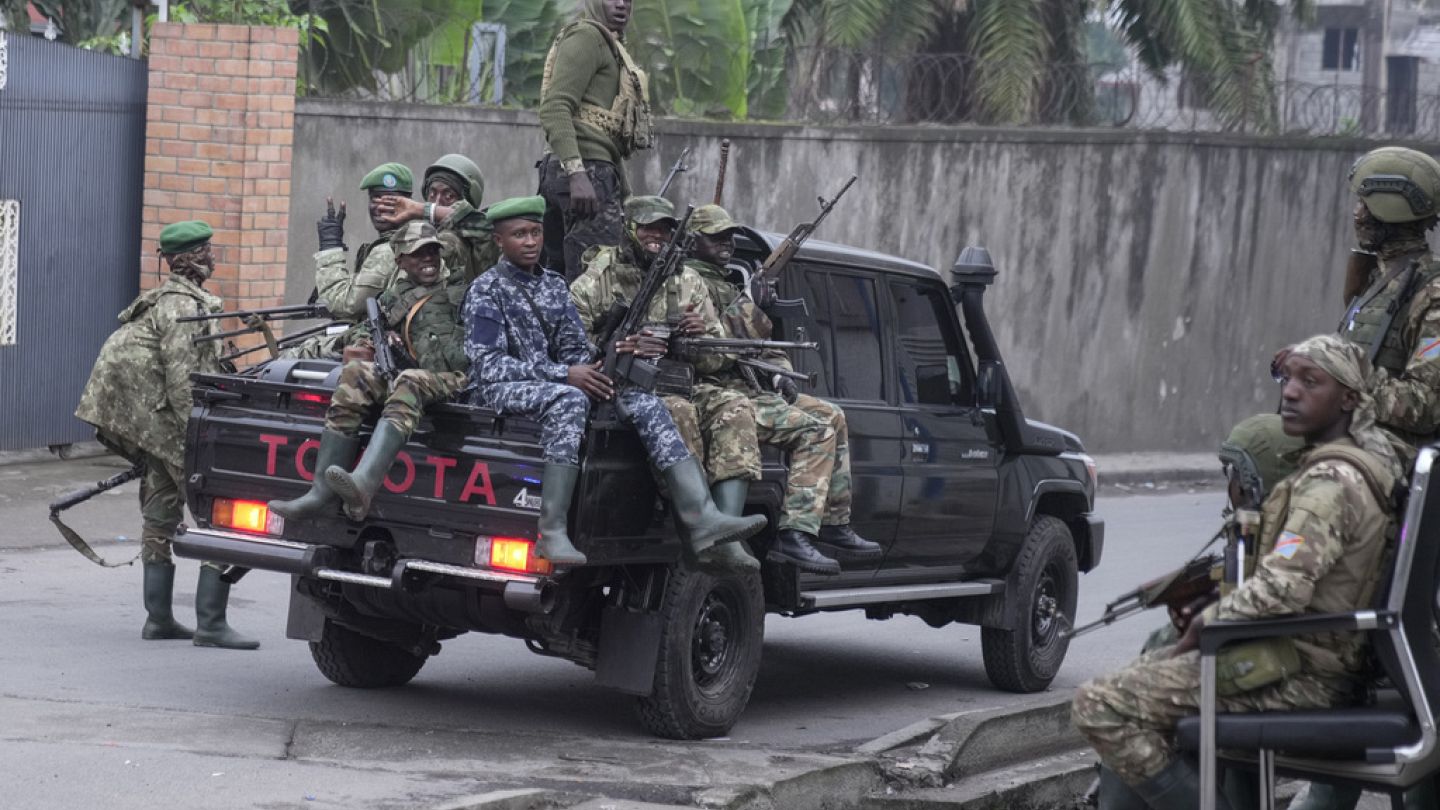
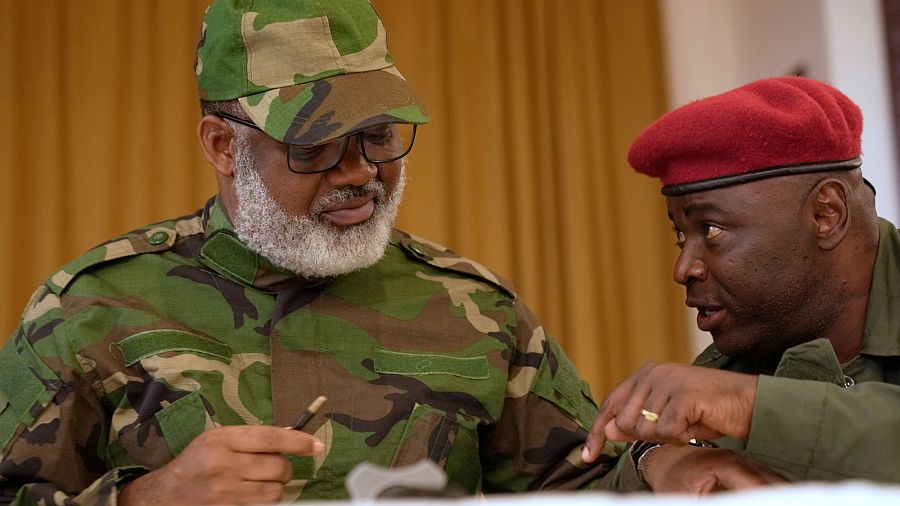
UN Special Representative Bintou Keita met with the Congo River Alliance in Goma for high-level talks on Friday, signaling renewed international efforts to mediate the conflict. These talks, although not the first of their kind, represent the most high-profile dialogue since the rebels gained control over large portions of the mineral-rich eastern provinces.
Ms. Keita emphasized a “spirit of listening and exchange,” suggesting that discussions focused on protecting civilians and re-establishing humanitarian access in occupied territories.
Background on the M23 Advance
The M23 rebel group, backed by regional influences including Rwanda, launched a major offensive earlier this year. They took Goma, an economic hub, and pushed further into Congolese territory. Despite the presence of the UN peacekeeping force Monusco, and troops from the Southern African Development Community (SADC), the rebels faced limited resistance due to overwhelmed national forces and logistical setbacks.
During these offensives, Monusco peacekeepers came under direct attack. Civil infrastructure collapsed, airports were closed, and many public servants in the region were left without salaries or security.
Humanitarian Toll and Displacement
The humanitarian situation has deteriorated rapidly. According to UN estimates, hundreds of thousands have been displaced in the last six months. Many now live in dire conditions without access to food, healthcare, or shelter. The cities of Goma and Kavumu remain on lockdown, and conflict zones have become increasingly dangerous for aid workers.
SADC Troop Withdrawal Raises Concerns
In another major update, almost 250 South African soldiers returned home this weekend, marking the start of a phased withdrawal by SADC. This decision came after 20 soldiers were killed during recent M23 operations. While their exit was orderly, concerns are growing about the Congolese army’s ability to maintain control or resist further rebel advances without international support.
During the weekend, Ms. Keita met with top SADC commanders to express gratitude for their support and solidarity in recent months.
Path Forward: Optimism Meets Caution
While the rebels’ stated willingness to seek peace is a hopeful sign, the DRC has seen many failed ceasefires in the past. Skepticism remains about the sincerity and durability of the Congo River Alliance’s commitments, especially given their rapid territorial gains and recent aggression.
Nonetheless, the UN’s involvement offers renewed hope that diplomacy might de-escalate the conflict and restore humanitarian access to those most in need.
Conclusion
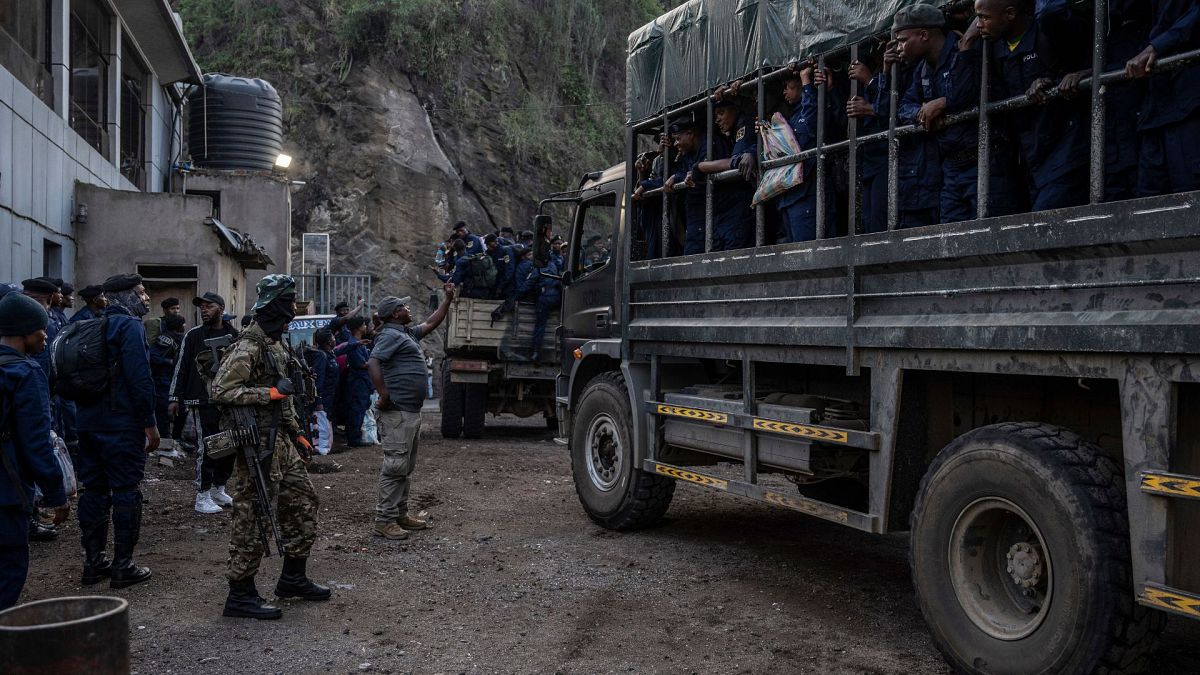
The path to peace in the DRC remains complex and fragile. However, with continued international engagement and pressure, the current dialogue could lay the groundwork for a sustained ceasefire and eventual political resolution. The world watches as Congolese rebels and the UN pursue a peaceful solution—a long-overdue possibility in one of Africa’s most protracted conflicts.
For more insight into UN peacekeeping efforts in Africa, explore our detailed analysis.