
Introduction
Delhi’s water crisis in 2025 has escalated to a critical level, affecting millions of residents. As water scarcity worsens, understanding the causes and solutions becomes essential for every citizen.
Causes of the Water Crisis
Over-Extraction of Groundwater
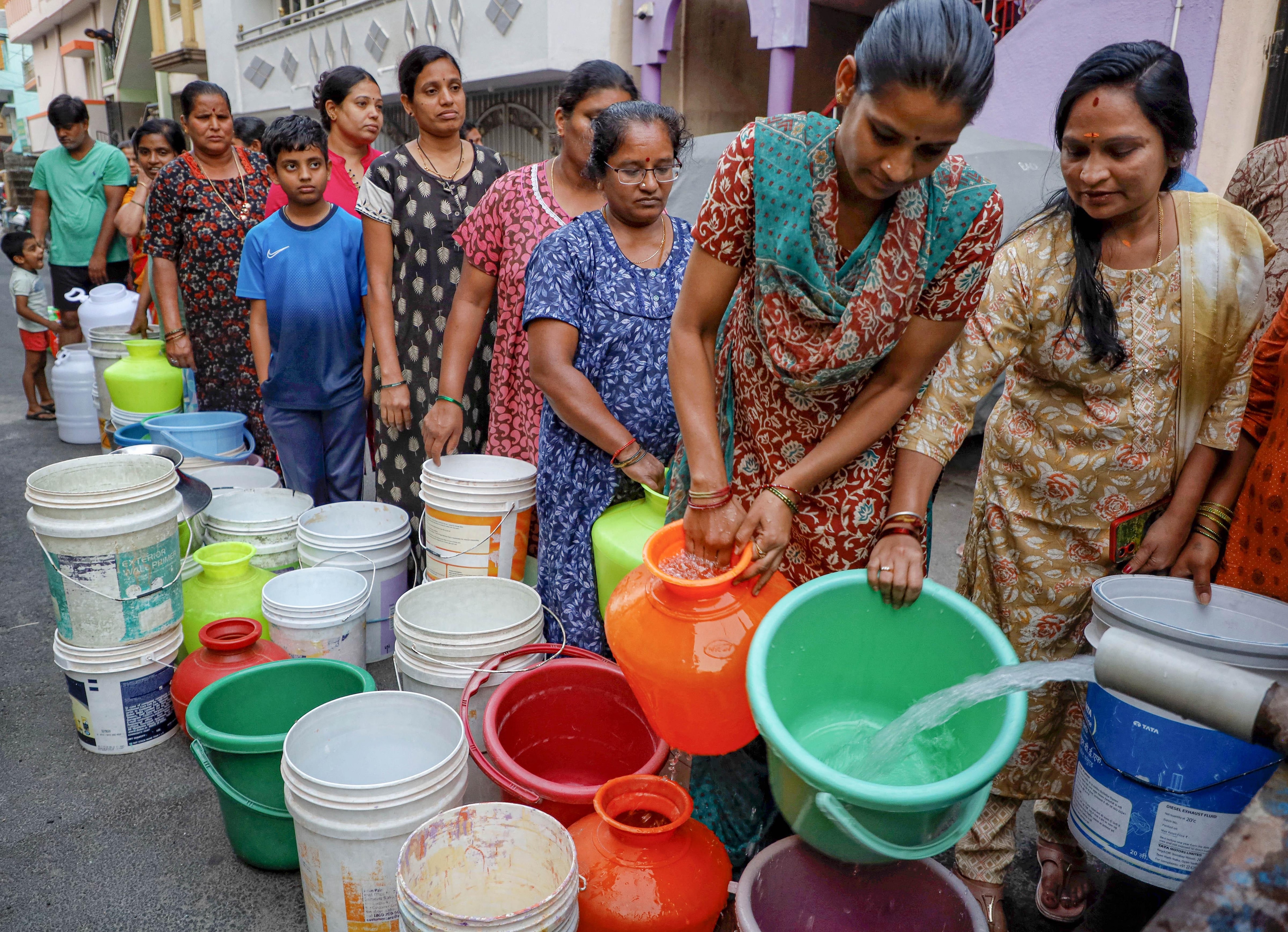
The demand for water in Delhi outpaces the Delhi Jal Board’s (DJB) supply, pushing residents to rely heavily on groundwater extraction. This has led to severe depletion of aquifers, threatening long-term water security.
Pollution of Water Sources
The Yamuna River, a key water source, is heavily polluted due to untreated sewage and industrial waste, rendering parts unusable and causing disruptions in water treatment.
Climate Change and Erratic Weather Patterns
Unpredictable rainfall and frequent heatwaves worsen water availability and strain infrastructure.
Inter-State Water Disputes
Delhi’s water supply depends on neighboring states, and disputes often reduce water inflows during crucial periods.
Impacts on Daily Life
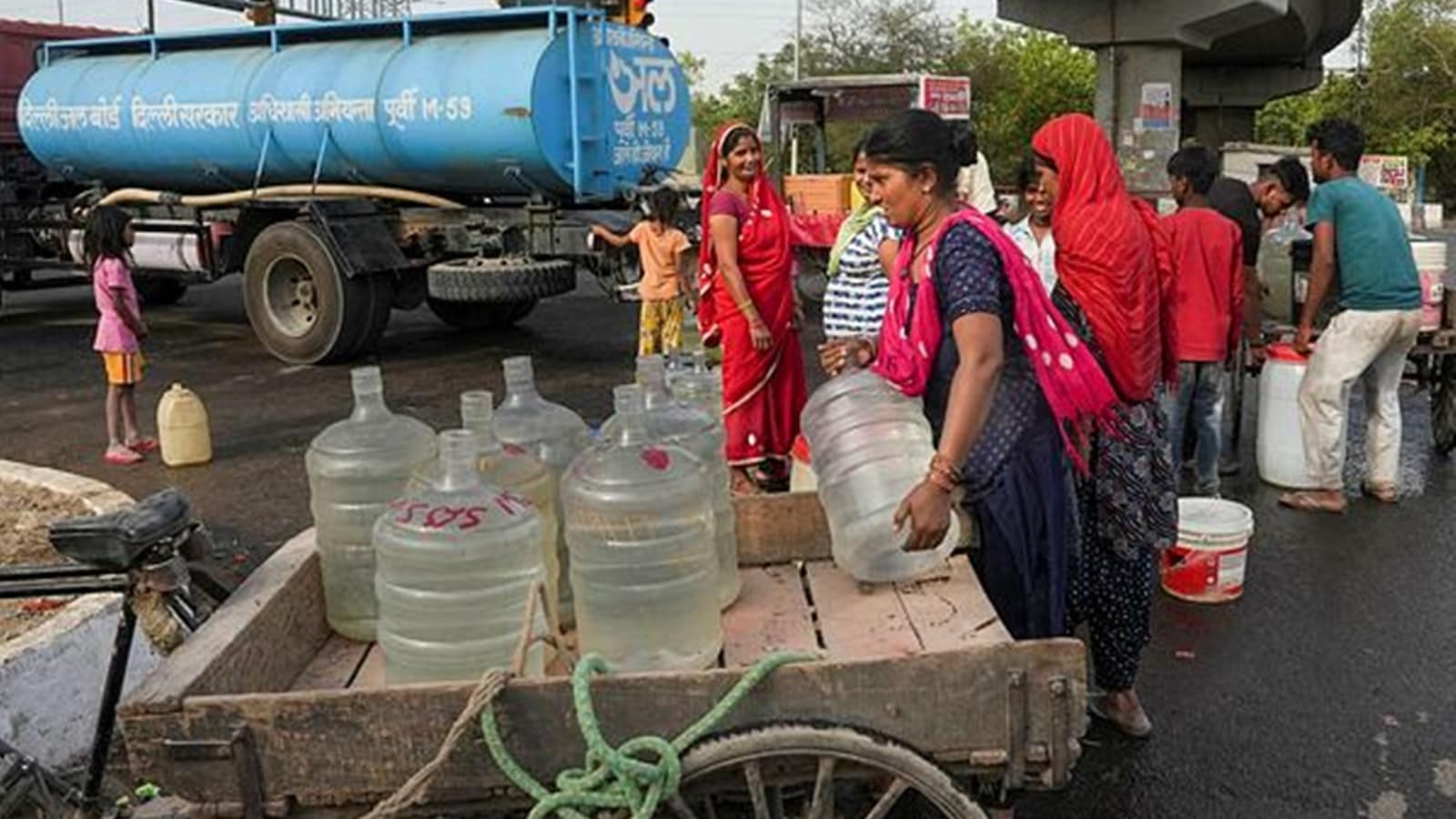
- Water Supply Interruptions: Areas face frequent 24-hour water cuts.
- Health Risks: Limited access to clean water raises waterborne disease risks.
- Economic Impact: Water shortage disrupts business operations.
- Social Tensions: Competition for scarce water has led to protests.
Government Initiatives and Solutions
Infrastructure Investments
The Delhi government’s 2025 budget includes ₹9,000 crore for improving water infrastructure and management. Efforts focus on reviving water bodies and increasing supply efficiency.
Use of Treated Water
The Delhi Development Authority (DDA) plans to use treated wastewater for irrigating parks. More details can be found here.
Crackdown on Illegal Borewells
Authorities have sealed thousands of illegal borewells to protect groundwater reserves.
Public Awareness Campaigns
Citizens are encouraged to conserve water through educational programs and community participation.
What Citizens Can Do
- Adopt water-saving habits like turning off taps when not in use.
- Report leaks and illegal water connections.
- Participate in local water conservation initiatives.
- Install rainwater harvesting systems to reduce dependence on municipal water.
Conclusion
The Delhi water crisis is a shared challenge requiring cooperation between the government and citizens. With awareness and responsible water use, Delhi can move towards sustainable water security.
For a deeper understanding, check our internal article on Delhi’s Water Management Challenges.