
Brussels Condemns “Threat to Judicial Independence” as Trump Revives ICC Crackdown
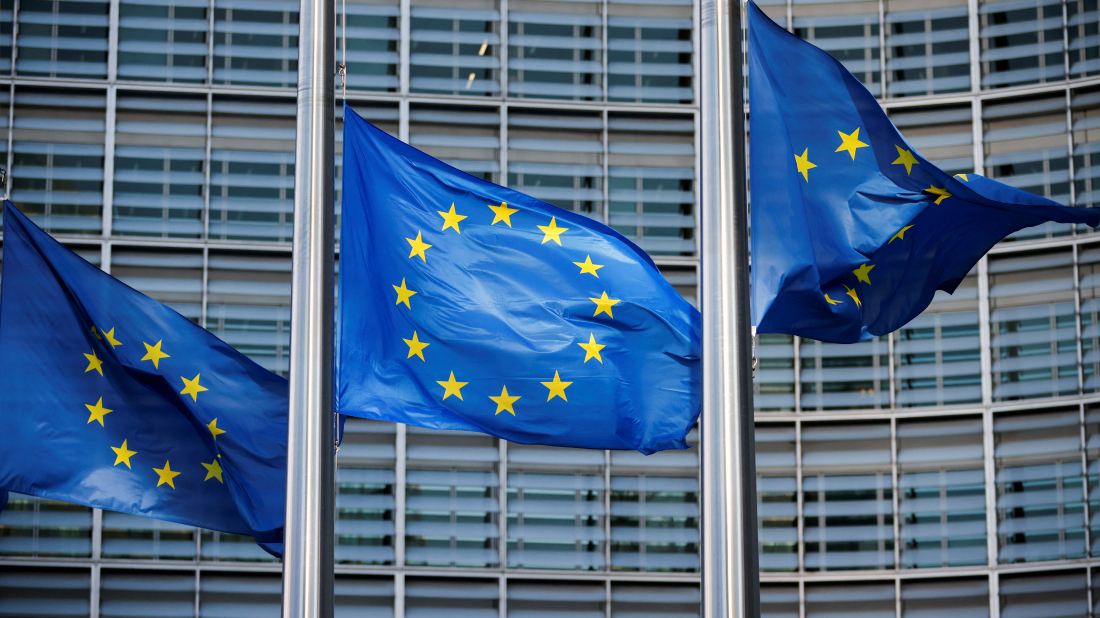
6 June 2025 | Brussels & The Hague: The European Union has issued a powerful rebuke of the United States’ latest sanctions against four International Criminal Court (ICC) judges, reaffirming its commitment to international justice and judicial independence.
Speaking on Friday, European Commission President Ursula von der Leyen declared, “The ICC holds perpetrators of the world’s gravest crimes to account & gives victims a voice. It must be free to act without pressure.”

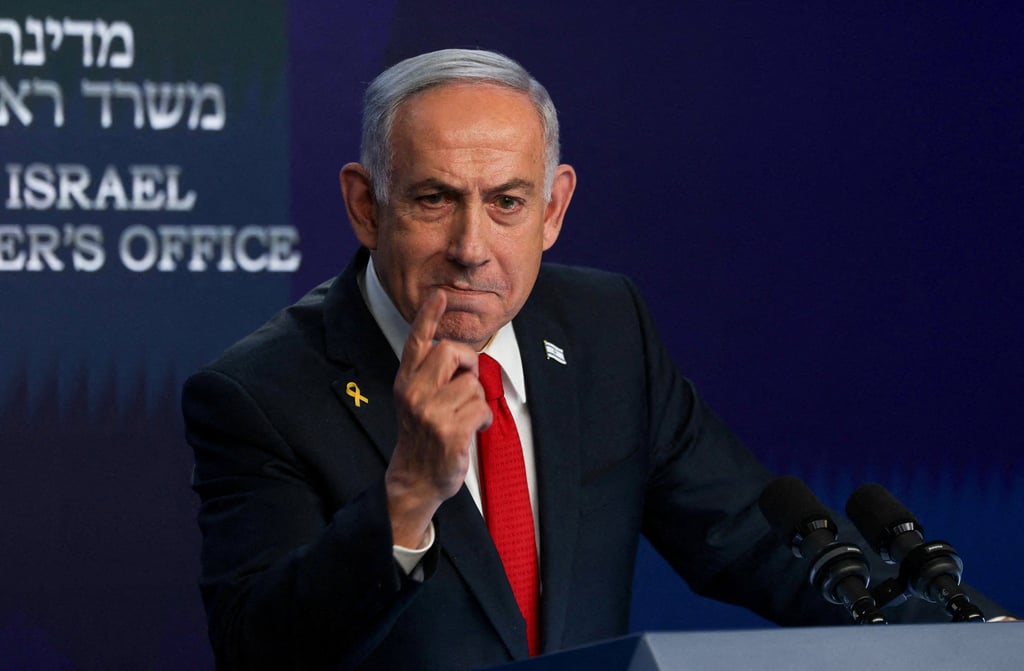
The remarks came in direct response to U.S. Secretary of State Marco Rubio’s announcement Thursday, which accused the ICC judges of “illegitimate and baseless actions” against the U.S. and its allies. The sanctions were widely interpreted as retaliation for the ICC’s arrest warrant against Israeli PM Benjamin Netanyahu and an earlier investigation into U.S. war crimes in Afghanistan.
Who Are the Sanctioned Judges?
The U.S. has targeted the following four judges, now on the Specially Designated Nationals (SDN) list:
- Solomy Balungi Bossa (Uganda)
- Luz del Carmen Ibanez Carranza (Peru)
- Reine Alapini-Gansou (Benin)
- Beti Hohler (Slovenia)
Sanctions freeze their U.S. assets and bar them from global financial systems dominated by U.S. institutions. Critics warn these steps may intimidate international judges and undermine rule of law globally.
EU and UN Push Back
United Nations Human Rights Chief Volker Turk expressed being “profoundly disturbed,” warning that attacks on judges “corrode good governance” and violate respect for law. European Council President Antonio Costa echoed the concerns, calling the ICC a “cornerstone of international justice.”
Slovenia, an EU member whose citizen is among the sanctioned, demanded immediate EU counteraction using the EU’s Blocking Statute. This mechanism, previously deployed to shield EU businesses from U.S. penalties over Cuba and Iran, prohibits European compliance with sanctions Brussels deems unlawful.
Blocking Statute in Action?
Slovenia’s Foreign Ministry posted: “We reject pressure on judicial institutions… Slovenia will propose immediate activation of the blocking act.”
If enacted, it would mark the EU’s first major use of the statute in defense of international legal institutions, potentially escalating a transatlantic diplomatic rift.
Why Is the U.S. Targeting the ICC?
The Biden-Trump transition has seen the return of aggressive measures against the ICC. Shortly after retaking office in January 2025, President Donald Trump reissued his 2020 executive order, authorizing sanctions against any ICC official involved in probes against U.S. or allied military personnel.
Trump has defended the actions as necessary to protect “thriving democracies” like the U.S. and Israel, arguing that the ICC is endangering troops and violating sovereignty. He cited the 2024 arrest warrants for Netanyahu and then-defense minister Yoav Gallant as examples of politically motivated overreach.
What’s at Stake for the ICC?
Legal analysts warn that the sanctions set a dangerous precedent. “If judges can be punished for doing their job, it creates a chilling effect on all international courts,” said Dr. Helena Smit, a professor of international law at the University of Amsterdam.
The ICC has long been criticized by both sides: some accuse it of bias against Africa, while others, especially in the West, now say it unfairly targets their political and military leaders. But the EU’s unified stance may provide much-needed support at a time when the court’s legitimacy is under severe attack.
Conclusion: A Legal Flashpoint with Global Consequences
The U.S. sanctions against ICC judges over cases involving Netanyahu and U.S. troops in Afghanistan have triggered one of the most significant transatlantic legal showdowns in recent history. As the European Union rallies to the court’s defense, pressure mounts on Washington to reverse its course—or risk further eroding international judicial cooperation.
To explore more on this developing legal crisis, visit our international law section or follow the full report via Al Jazeera.