
The ongoing conflict between Israel and Hamas has led to renewed efforts in 2025 to establish a ceasefire. Despite international mediation, several challenges impede the path to lasting peace Gaza ceasefire talks.
1. Divergent Demands from Hamas and Israel

Hamas has agreed to a 60-day ceasefire, proposing the release of 10 living hostages and the remains of 18 others in exchange for Palestinian prisoners. However, they demand guarantees for a permanent end to the war and the complete withdrawal of Israeli forces from Gaza. Israel, while accepting the U.S.-backed proposal, remains skeptical of Hamas’s intentions, fearing that the group might use the ceasefire to regroup and rearm.
2. U.S. Mediation and Rejection of Hamas’s Amendments
The United States, acting as a mediator, has deemed Hamas’s proposed amendments to the ceasefire deal as “totally unacceptable.” U.S. envoy Steve Witkoff emphasized the importance of adhering to the original framework to facilitate the release of hostages and the delivery of aid, as noted by AP News.
3. Humanitarian Crisis in Gaza
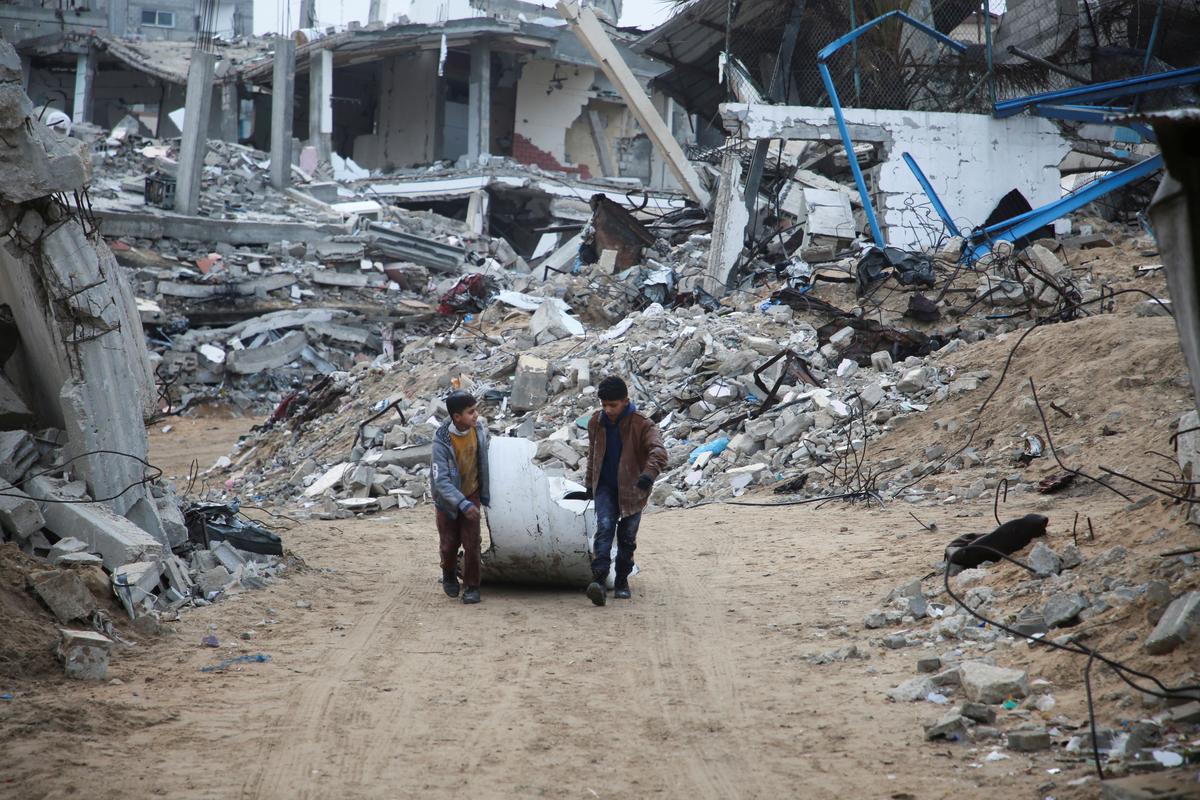
The Gaza Strip faces a dire humanitarian situation, with over 2 million residents experiencing severe shortages of food, water, and medical supplies. Recent incidents near aid distribution sites have resulted in civilian casualties, further exacerbating tensions. The UN and humanitarian organizations have called for independent investigations into these incidents Gaza ceasefire talks.
4. International Pressure and Geopolitical Interests
Global leaders and organizations have called for an immediate ceasefire and increased humanitarian access. However, differing geopolitical interests and alliances complicate unified international action. The involvement of various stakeholders with conflicting agendas makes consensus challenging.
5. Internal Political Dynamics
Both Israel and Hamas face internal political pressures that influence their negotiation stances. In Israel, political factions debate the terms of any potential agreement, while Hamas contends with maintaining its authority and addressing the needs of the Gazan population amidst the ongoing crisis.
Conclusion

Achieving a lasting ceasefire in Gaza requires addressing the core concerns of both parties. Confidence-building measures, such as phased withdrawals and monitored aid deliveries, could pave the way for more substantive agreements. Continued international mediation and pressure may also play a pivotal role in bridging the divide.
For a deeper understanding of the Middle East conflict dynamics, visit our comprehensive guide.
