
Introduction
Global sea levels have been rising at an accelerating pace, threatening coastal towns and cities worldwide. Scientists warn this trend, driven by human-caused climate change, poses serious risks including increased flooding, erosion, and disruption of freshwater supplies. In this article, we break down seven critical facts about global sea level rise to understand what the future holds for vulnerable communities and ecosystems.
1. Sea Levels Have Risen Consistently Since 1993
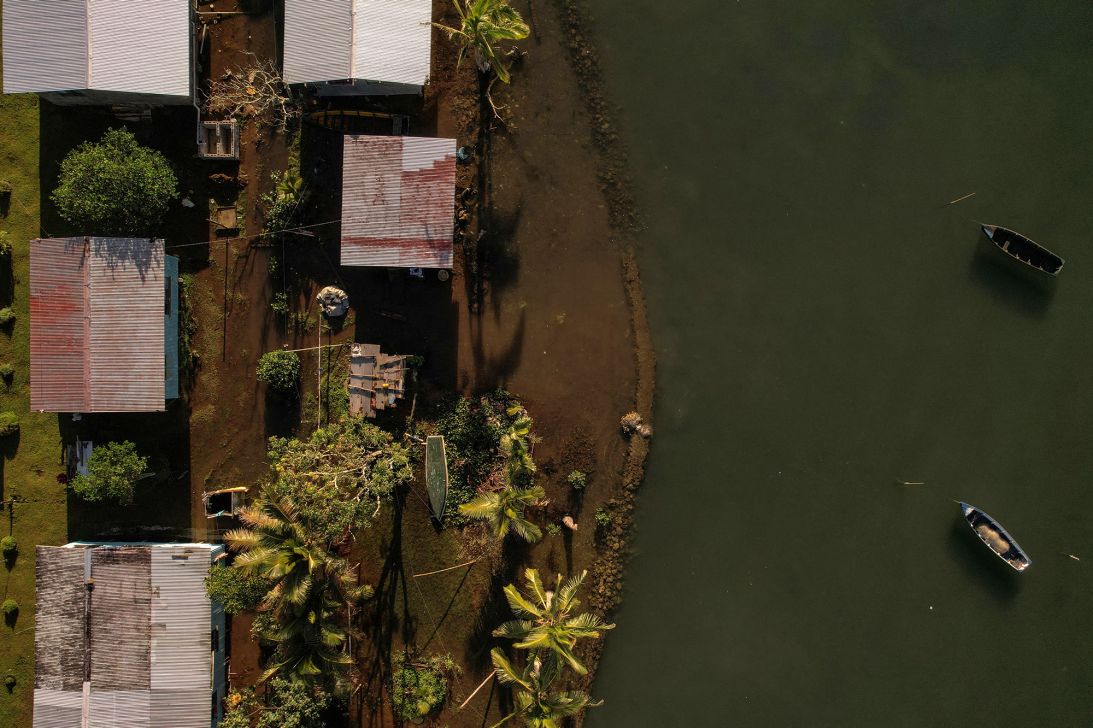
Satellite data since 1993 shows a steady increase in global sea levels, with a rise of about 4 inches over the past three decades. The pace has more than doubled, raising concerns about accelerating impacts on coastal areas.
2. Ocean Warming and Melting Ice Sheets Are Key Drivers
Oceans absorb about 90% of excess heat from fossil fuel burning, causing water to expand. At the same time, melting of Greenland and Antarctic ice sheets—holding enough water to raise seas by hundreds of feet—is accelerating due to rising temperatures.
3. Future Sea Level Rise Projections Are Uncertain but Alarming
By 2050, global average sea levels are expected to rise around 6 inches, with some regions like the US experiencing up to 12 inches. Beyond 2050, projections vary widely, with potential rises of 3 feet or more by 2100 depending on ice sheet responses.
4. Coastal Vulnerability Varies by Region
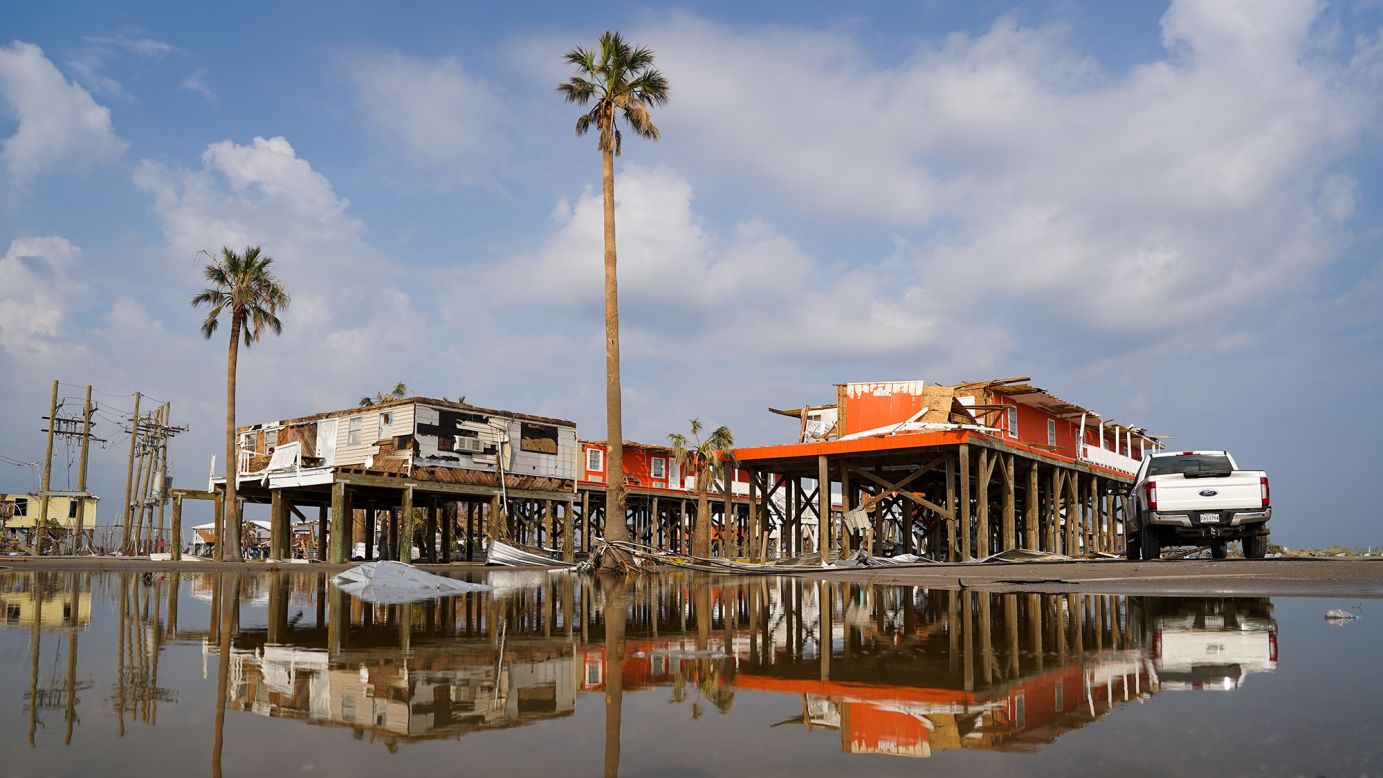
Sea level rise is uneven globally due to regional currents, land subsidence, and human activities like groundwater extraction. The Gulf Coast of the US and Pacific island nations such as Tuvalu and Fiji face disproportionate threats.
5. Increasing Flooding and Coastal Erosion Are Already Evident
High tide flooding has become more frequent, even without storms, impacting infrastructure and ecosystems. Sea level rise also exacerbates coastal erosion and contaminates freshwater supplies with saltwater intrusion.
6. Adaptation Efforts Are Underway but Challenges Remain
Some communities are relocating or building defenses, but rapid acceleration could outpace these efforts. Vulnerable populations are most at risk, highlighting the need for urgent climate action and planning.
7. Monitoring and Climate Policies Are Critical
Satellite missions provide essential data to track changes, but policy setbacks threaten monitoring programs. Cutting emissions and investing in science are crucial to managing future sea level rise impacts.
Conclusion
The accelerating global sea level rise represents a looming crisis for coastal cities worldwide. Understanding the science and regional risks is vital for preparing and adapting to a changing world. To learn how communities can better prepare, visit our guide on how coastal cities can prepare for rising seas.
Stay informed and take part in building climate resilience for the future.
For more detailed climate science, visit NASA’s Sea Level Change Portal and NOAA’s Sea Level Rise Facts.