
Introduction
In a rapidly evolving global landscape, two significant events have captured international attention: U.S. South Korea’s political upheaval leading to Lee Jae-myung’s resurgence and the United States’ decision to revoke visas for Chinese students. These developments not only reshape domestic policies but also have far-reaching implications for global relations and educational exchanges.
South Korea’s Political Upheaval and Lee Jae-myung’s Resurgence
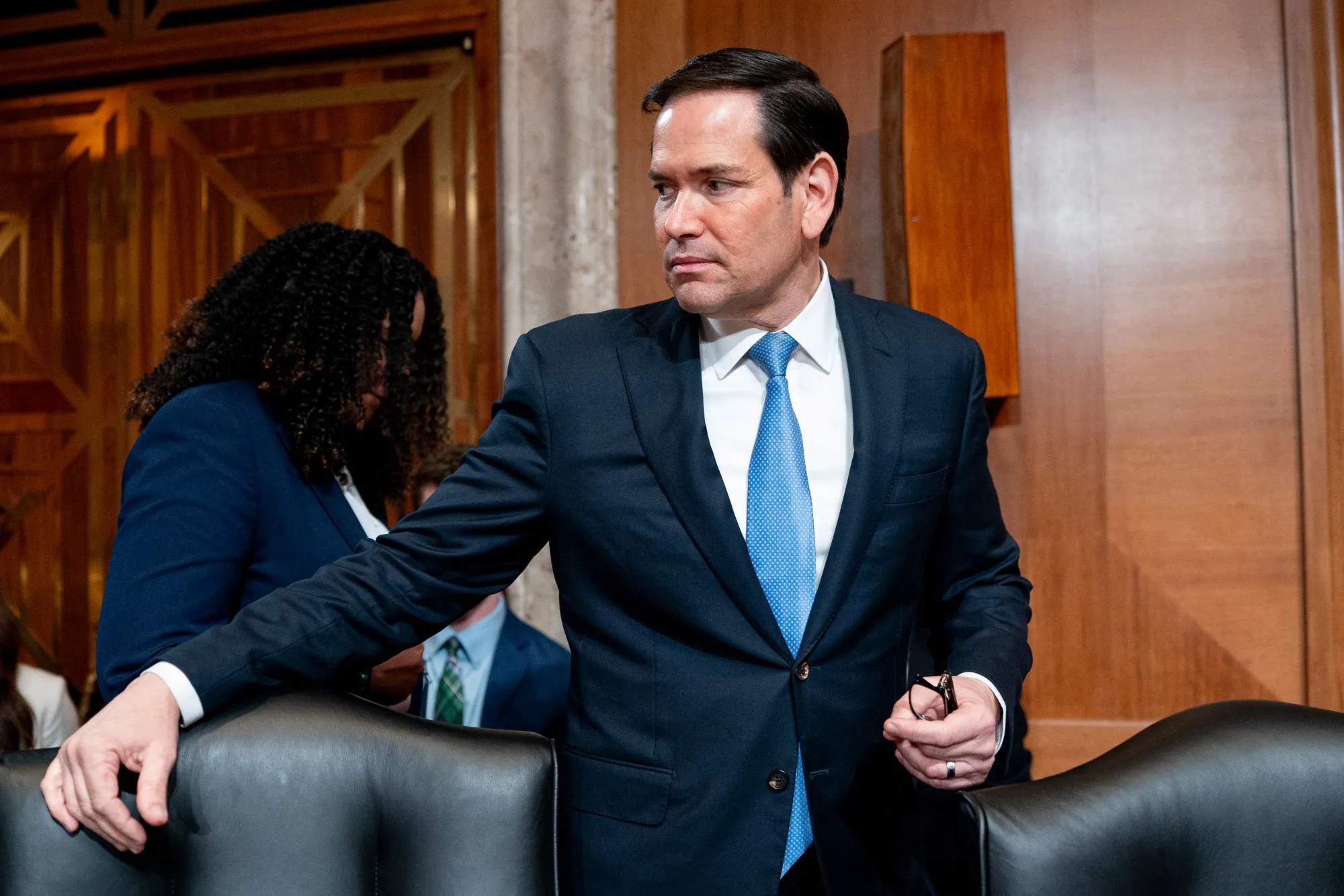
Lee Jae-myung, a prominent figure in South Korea’s Democratic Party, has made a remarkable comeback in the nation’s political arena. After surviving a near-fatal stabbing in 2024 and facing multiple legal challenges, Lee’s path to the presidency seemed uncertain. However, the political landscape shifted dramatically following former President Yoon Suk Yeol’s attempt to impose martial law in December 2024, leading to his impeachment and removal from office.
Lee’s proactive stance during the crisis, including his dramatic entry into the National Assembly to prevent the arrest of lawmakers, showcased his commitment to democracy and resonated with the public. As a result, he now leads in polls ahead of the June 3 snap election, positioning himself as a frontrunner to become South Korea’s next president. [Reuters Report]
U.S. Decision to Revoke Visas for Chinese Students
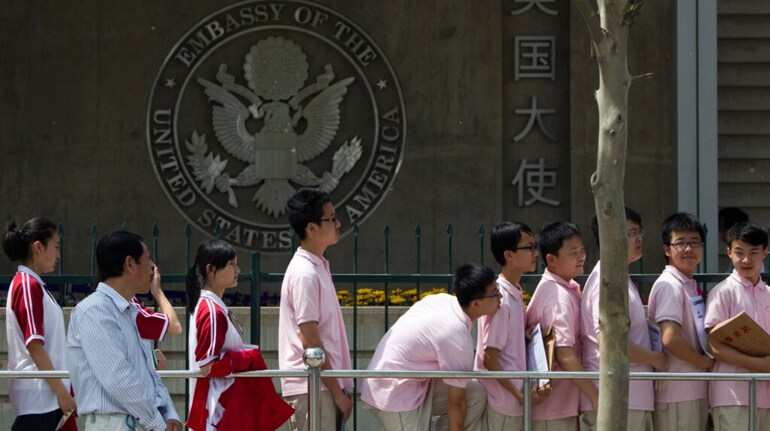
In a significant policy shift, the U.S. government, under Secretary of State Marco Rubio, announced plans to “aggressively” revoke visas for Chinese students, particularly those affiliated with the Chinese Communist Party or studying in sensitive fields. This move is part of a broader strategy to tighten restrictions on international student visas amid growing concerns over national security and intellectual property theft. [Politico Coverage]
Chinese students constitute a substantial portion of the international student population in the U.S., with over 277,000 enrolled in 2024. The new policy could disrupt academic institutions financially and impact the U.S. tech sector, which relies heavily on talent from Chinese students. Critics argue that such broad measures may undermine scientific innovation and damage America’s global academic leadership. [IIE Open Doors Report]
Implications for Global Relations
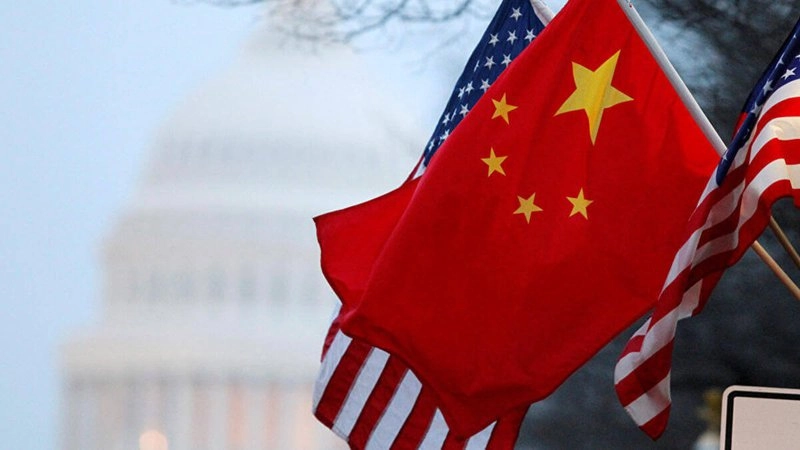
These developments in South Korea and the U.S. reflect a broader trend of nations reassessing their domestic policies in response to internal and external pressures. South Korea’s political shift may lead to changes in its foreign policy, particularly concerning North Korea and its alliances. Meanwhile, the U.S.’s stringent visa policies could strain its relationship with China and affect its position as a global leader in higher education.
Conclusion
The political resurgence of Lee Jae-myung in South Korea and the U.S.’s decision to revoke visas for Chinese students signify pivotal moments in global politics. As these nations navigate their internal challenges and redefine their roles on the world stage, the international community watches closely, anticipating the ripple effects these changes may bring.
For a deeper dive into U.S.-China educational dynamics, read our full analysis here.