
The latest updates from the India-Pakistan border reflect a dramatic shift in the ongoing tensions, with Operation Sindoor delivering a major blow to key terror elements. Between May 7 and May 10, Indian forces launched a series of targeted strikes, resulting in significant casualties on the Pakistani side and the elimination of high-value targets involved in terror attacks.
1. Pakistan Army Losses at the Line of Control
Between May 7 and May 10, the Indian Army reported the death of 35-40 personnel of the Pakistan Army at the Line of Control (LoC). This comes as part of Operation Sindoor, which sought to neutralize Pakistan-based terror networks. The ongoing military actions have intensified despite the ceasefire agreement that came into effect on May 11, marking a temporary pause in hostilities.
2. Elimination of IC-814 Hijackers and Pulwama Attackers
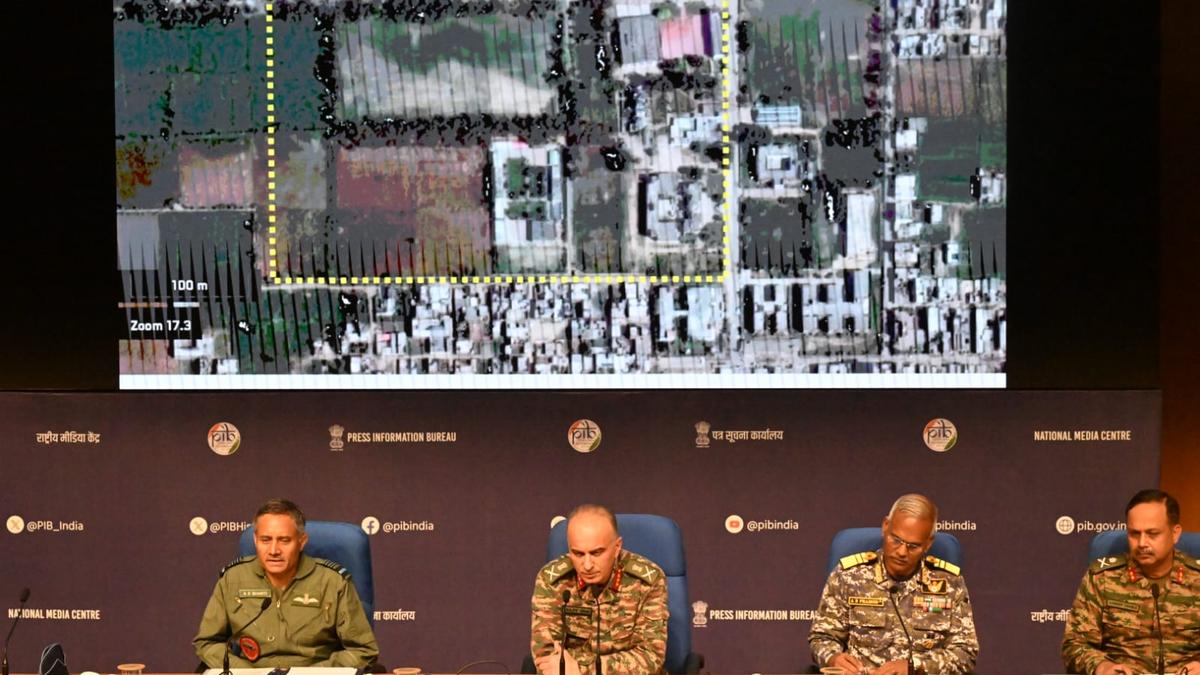
Among the most significant targets neutralized were the perpetrators of the 1999 IC-814 hijacking and the 2019 Pulwama attack. Key terrorists like Yusuf Azhar, Abdul Malik Rauf, and Mudasir Ahmed, responsible for these high-profile attacks, were killed in the operation. The Indian Armed Forces displayed before-and-after photos of terror infrastructure destroyed in the strikes, further illustrating the scale of the operation. For more on the history of these attacks, visit BBC’s coverage of the IC-814 hijacking.
3. Terror Hubs Destroyed Across Pakistan
According to Indian officials, nine terror hubs across Pakistan were destroyed in the strikes. More than 100 terrorists were reportedly killed, crippling several active networks in the region. The Indian Army’s DGMO, Lt Gen Rajiv Ghai, emphasized the strategic surprise of these operations, which were executed with precision targeting the most dangerous and active terror cells.
4. A Ceasefire Agreed Under International Mediation
Following these intense military actions, India and Pakistan agreed to a ceasefire on May 11, mediated in part by US President Donald Trump. Trump expressed his willingness to work with both countries to find a long-term solution to the Kashmir issue, marking a shift in diplomatic engagement. The US is expected to play a larger role in future negotiations between the two nuclear-armed neighbors.
5. A Return to Calm in Border Areas
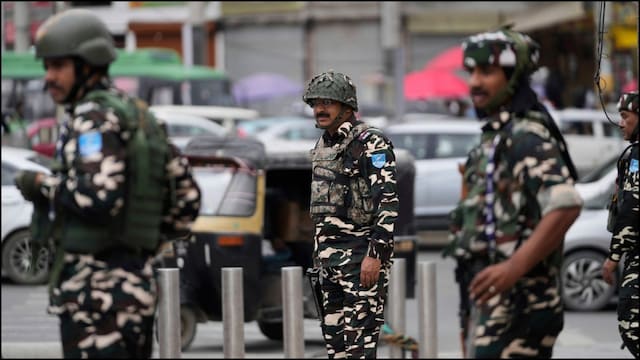
In the wake of the ceasefire, border villages in Kashmir, from Uri to Gurez, are gradually returning to normal. Despite the initial uncertainty and intense military operations, residents are beginning to feel a sense of relief as cross-border firing has subsided. This has been a welcome development for civilians who have endured sleepless nights amid the violence.
Conclusion: Looking Ahead
While the ceasefire represents a step toward peace, the situation remains fragile, with many questions about the long-term stability of the region. The elimination of terror leaders and the destruction of terror infrastructure by India are critical victories in the fight against terrorism. However, the future of Kashmir remains uncertain, and the international community, led by the United States, will likely continue to exert pressure on both India and Pakistan to seek a lasting resolution. Stay updated with the latest developments in the India-Pakistan standoff and Operation Sindoor. For further insights on regional security, check out our comprehensive analysis of the India-Pakistan conflict.
Pingback: India’s Global Anti-Terror Outreach Targets 33 Key Nations After Pahalgam Attack