
Introduction
Three Māori MPs in New Zealand are facing suspension after performing a traditional haka during a parliamentary sitting last year. The protest was in response to the controversial Treaty Principles Bill, which sought to redefine the country’s founding document, the Treaty of Waitangi. This event has ignited significant debate about indigenous rights, parliamentary decorum, and the future of Māori political activism.
The Haka Protest and Its Context
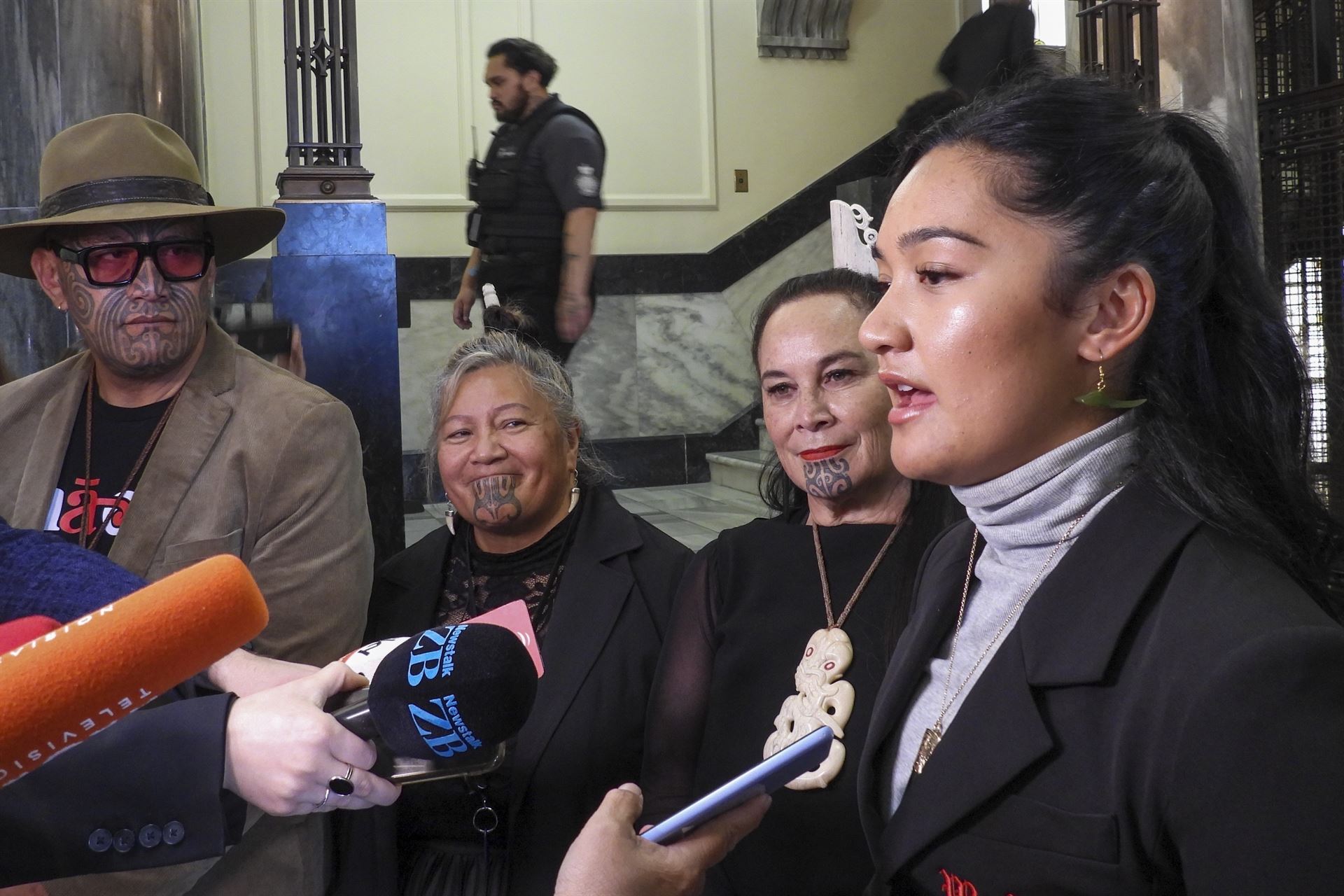
During a parliamentary session, opposition MP Hana-Rawhiti Maipi-Clarke led a group haka after being asked whether her party supported the Treaty Principles Bill. The bill, introduced by the right-wing Act Party, aimed to legally define the Treaty of Waitangi’s principles but was widely criticized for potentially deepening racial divisions.
Committee Ruling and Suspension Recommendations
A parliamentary committee concluded that the haka could have “intimidated” other MPs and recommended suspensions for the involved members: Maipi-Clarke faces a one-week suspension, while Te Pāti Māori co-leaders Rawiri Waititi and Debbie Ngarewa-Packer are proposed to be suspended for 21 days. The Māori Party condemned these recommendations as severe and politically motivated.
Reactions and Political Implications
Deputy Prime Minister Winston Peters described the MPs as “out-of-control” for their actions, emphasizing concerns about parliamentary rules and respect. In contrast, the Māori Party framed the suspension proposals as a harsh response to indigenous resistance, warning of ongoing tensions between colonial powers and tangata whenua (people of the land).
The Treaty Principles Bill and Public Response
The Treaty Principles Bill was voted down 112 to 11 last month, with most major political parties opposing it. The bill sparked nationwide protests, including a large demonstration outside parliament and a nine-day march from the north to Auckland. Critics argue the bill threatened to undermine support for Māori communities. For more context, visit the NZ Herald’s coverage.
Significance of the Haka in Māori Culture and Protest

The haka is a powerful Māori war dance traditionally performed to display strength and unity. Its use as a form of parliamentary protest underscores the ongoing struggles over Māori rights and sovereignty in New Zealand politics. The protest also reflects broader indigenous activism worldwide. Learn more about the haka’s cultural importance on Britannica.
Conclusion
The suspension of these three Māori MPs highlights the complex interplay between indigenous political expression and parliamentary rules in New Zealand. As the nation continues to grapple with its colonial history and the role of the Treaty of Waitangi, this incident will likely influence future discussions on Māori rights and representation.
For more on New Zealand’s indigenous history and political landscape, see our articles on Understanding the Treaty of Waitangi and Indigenous Rights Movements in New Zealand.