
The Mumbai-Ahmedabad bullet train project has reached a significant milestone with 300 kilometres of viaducts completed, Union Railway Minister Ashwini Vaishnaw announced on May 20, 2025. The project is expected to be completed by 2028, connecting 12 stations across Maharashtra and Gujarat.
Faster Construction with Full Span Launching Method
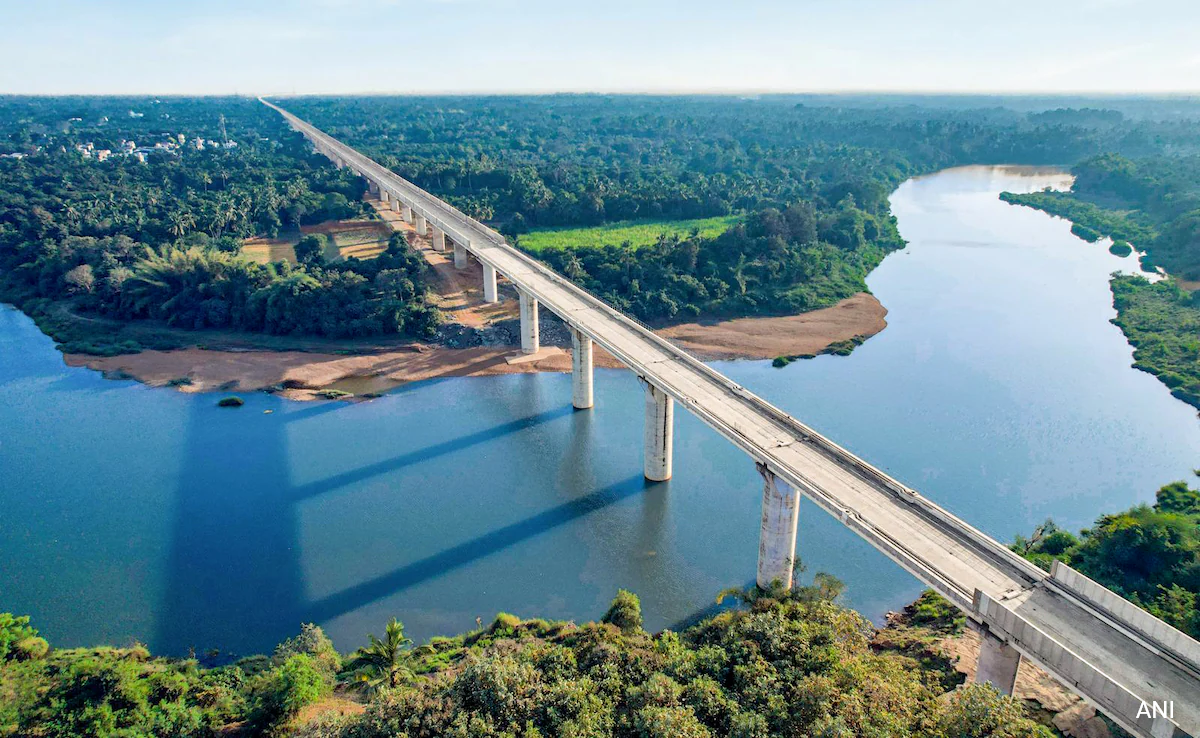
The viaduct construction was accelerated using the Full Span Launching Method (FSLM), a technique that allows full-span girder erection up to 10 times faster than conventional segmental methods. Of the 300 km completed, approximately 257.4 km was constructed using FSLM, including 14 river bridges.
The project also features 37.8 km of Span by Span (SBS) construction, steel bridges, PSC bridges, and station buildings. Notably, a 40-metre-long girder was recently launched near Surat, Gujarat, marking a key progress point.
Project Overview
The Mumbai-Ahmedabad High-Speed Rail Corridor will have 12 stations—nine in Gujarat and three in Maharashtra—with the Mumbai station located underground. Elevated stations include Thane, Virar, Boisar, Vapi, Bilimora, Surat, Bharuch, Vadodara, Anand, Ahmedabad, and Sabarmati.
The estimated cost of the project is Rs 1.08 lakh crore, with the central government contributing Rs 10,000 crore and Gujarat and Maharashtra state governments contributing Rs 5,000 crore each.
Milestones and Future Outlook
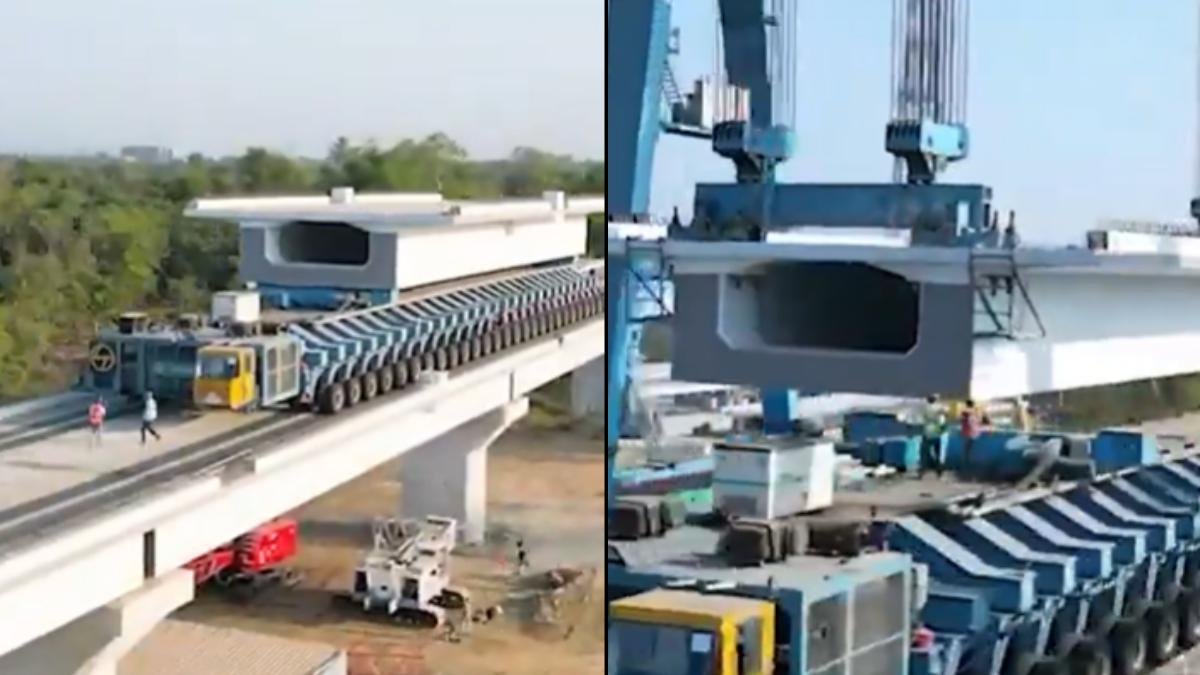
Besides viaducts, 383 km of pier work, 401 km of foundation, and 326 km of girder casting have also been completed. The project recently completed a breakthrough of a 350-metre mountain tunnel in Valsad and constructed the first of 28 steel bridges—a 70-metre span in Surat.
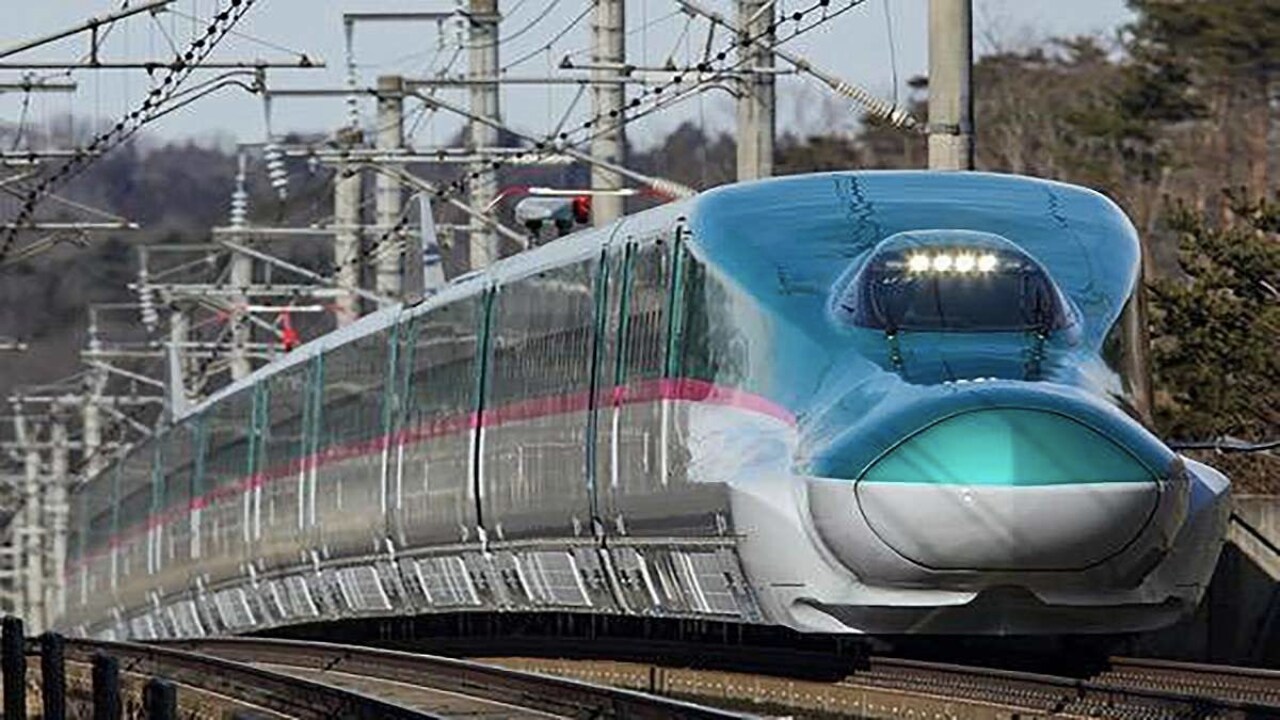
Prime Minister Narendra Modi laid the foundation stone on September 14, 2017, alongside former Japanese Prime Minister Shinzo Abe. The project adopts Japan’s advanced Shinkansen technology and is executed by the National High-Speed Rail Corporation Ltd (NHSRCL).
Union Minister Vaishnaw shared a video on social media showcasing the viaduct construction progress, highlighting the advanced engineering techniques used.
Conclusion
With steady progress on the viaducts and infrastructure, the Mumbai-Ahmedabad bullet train promises to revolutionize travel between the two cities by significantly cutting journey times and introducing cutting-edge technology.
For more updates on Indian infrastructure projects, visit our High-Speed Rail Projects in India page.