
Introduction: A Summit Dominated by Trump’s Demands
The Nato 2025 summit at The Hague is unlike any before. Though 32 nations and several partner countries are attending, one man dominates the agenda: Donald Trump. Nato’s new Secretary General, Mark Rutte, is determined to deliver the US president’s primary demand — higher defence spending by Europe — while attempting to keep fragile unity intact.
This year’s summit is intentionally brief, lasting just three hours, and its joint statement cut to five paragraphs, all aimed at minimizing divisions and avoiding confrontations with Trump.
Trump’s Long-Standing Criticism of Nato
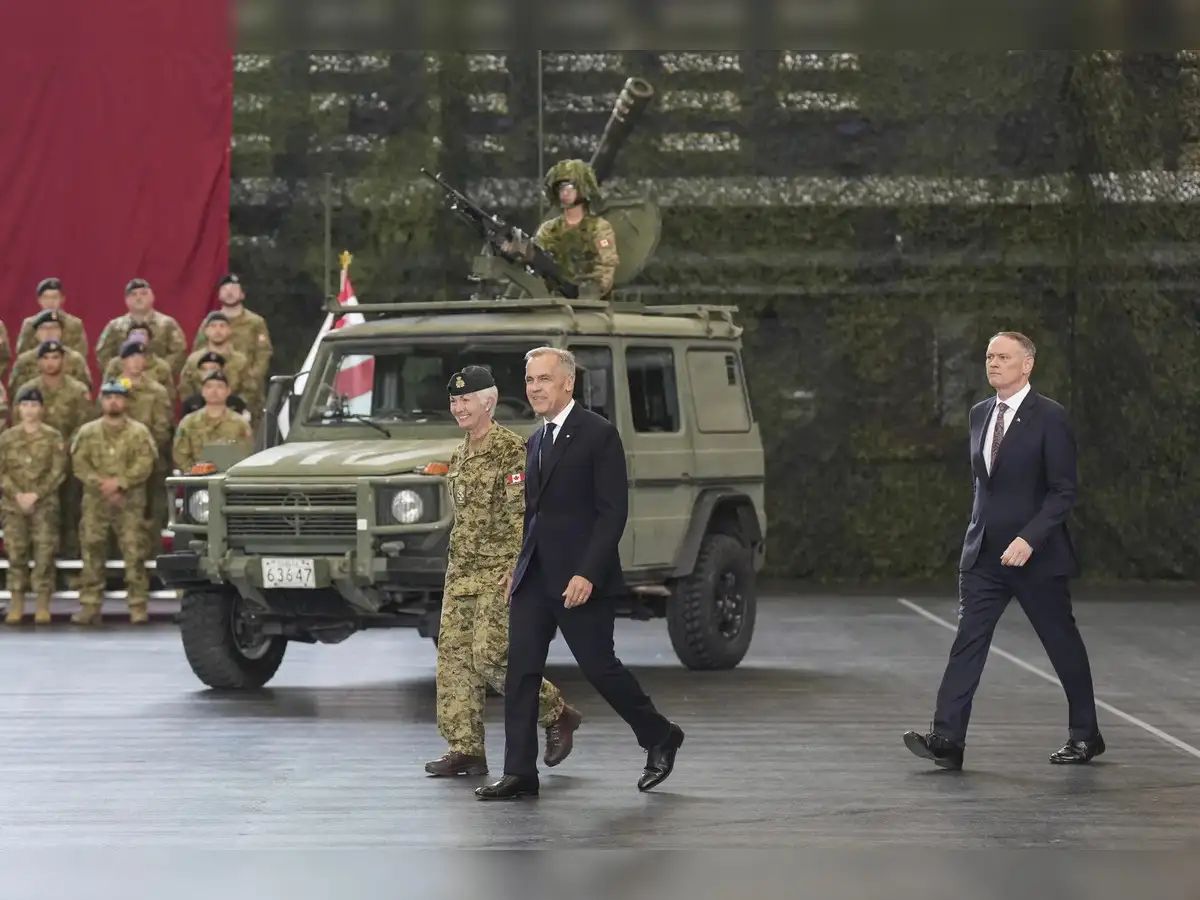
Throughout his political career, Donald Trump has openly criticized Nato, questioning its relevance and accusing European allies of underfunding collective defence. During his first term, he frequently accused allies of owing the US “massive amounts of money.” While other US presidents have made similar complaints, Trump’s blunt, transactional approach has made headlines worldwide.
Europe Responds: Increasing Defence Spending
As a direct result of Trump’s pressure — and heightened fears after Russia’s invasion of Ukraine — several European nations have significantly increased military budgets. Poland, Estonia, Lithuania, and others near Russia’s borders are leading the way, some aiming to spend up to 5% of GDP on defence. Yet, many Nato members still struggle to meet the previously agreed 2% target.
Mark Rutte’s proposed compromise suggests increasing core military spending to 3.5% of GDP, plus an additional 1.5% in broadly defined “defence-related expenditures,” which may include infrastructure such as bridges, railways, and roads. This vague definition has raised concerns that nations will resort to creative accounting to meet targets without real increases in military capability.
The Underlying Russia Threat
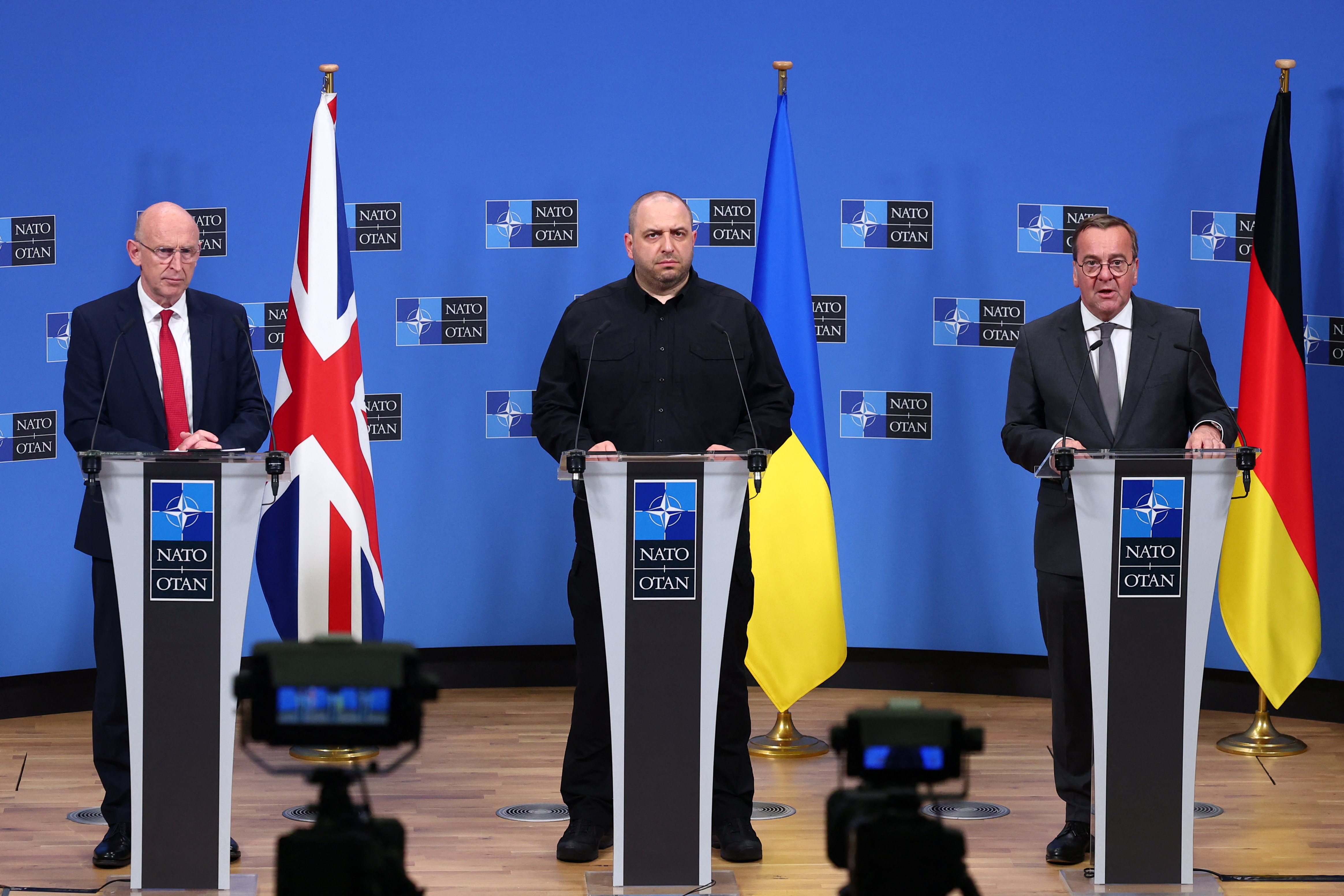
While Putin’s ongoing aggression remains Nato’s biggest shared threat, direct discussions about Russia and Ukraine have been largely removed from the summit’s official agenda to avoid deepening divisions with Trump. Ukrainian President Volodymyr Zelensky has been invited only to the summit dinner but excluded from formal talks.
Mark Rutte warned earlier this month that Russia could attack a Nato country within five years. Yet, specific plans on deterring Russian aggression remain confidential. Recent statements from General Christopher Donahue, head of the US Army in Europe, highlighted significant gaps in Nato’s Eastern flank defences, particularly near Kaliningrad.
Europe and the US Diverge on Ukraine
One of the most sensitive points remains Ukraine’s security. European allies largely view Ukrainian defence as essential to Europe’s stability. However, Trump’s position has often appeared more ambiguous, at times withholding military aid and engaging directly with Vladimir Putin.
Former US ambassador to Nato, Kurt Volker, acknowledges that while many European leaders dislike Trump’s tactics, they ultimately accept the need for greater military preparedness. “We needed to do this,” Volker admits, “even if it’s unfortunate that it took such a kick in the pants.”
The Hidden Cost of Trump’s Nato
Behind the brief summit lies enormous logistical preparation. Dutch police have mounted their largest security operation ever, costing €183.4m ($210m). The brevity of this year’s summit is partly due to Trump’s dislike of long meetings and preference for headline-grabbing wins rather than nuanced diplomacy Nato 2025 summit.
Nato’s Defence Challenges Remain
Even if new defence spending commitments are approved, implementing them remains uncertain. For example, the UK government has only pledged to aim for 3% of GDP for defence sometime during the next parliamentary term. Spain’s prime minister has already dismissed the new targets as “unreasonable.”
Meanwhile, key Nato capabilities still lag far behind operational needs. According to Rutte, Nato requires a 400% increase in air and missile defences, thousands more armored vehicles, and millions of additional artillery shells to meet its updated defence plans against potential Russian aggression Nato 2025 summit.

Conclusion: Short Summit, Long-Term Uncertainty
The 2025 Nato Summit may avoid public conflicts, but divisions simmer beneath the surface. While Trump claims victory over defence spending, significant disagreements remain on Russia, Ukraine, and long-term alliance strategy. The reduced agenda reflects both the diplomatic balancing act and the enduring uncertainty over Nato’s future cohesion Nato 2025 summit.
Related Reading
