
The Netherlands F‑35 supply chain continues despite a February 2024 court ban, with Maersk ships routing fighter jet parts through Rotterdam—raising legal and moral questions amid the Gaza conflict.
🚢 How F‑35 Parts Move Through Rotterdam
According to Al Jazeera, the Palestinian Youth Movement and Dutch NGOs found that Maersk operates a “recurring shipping cycle” carrying empty F‑35 wing containers from Houston to Ashdod, and then returning them filled, via the port of Rotterdam .
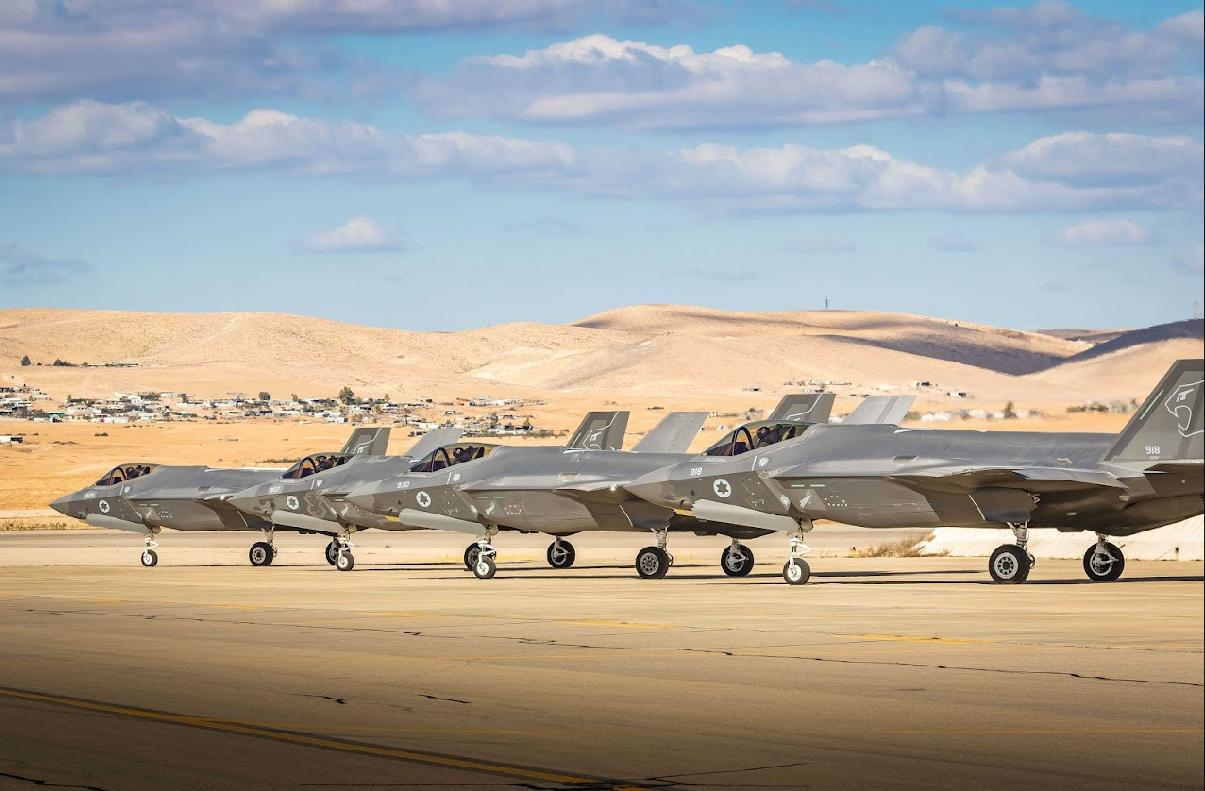
- Containers ship empty from the U.S. to Israel
- They return with parts for F‑35 fighters
- Rotterdam is used as a logistical transhipment hub
⚖️ Court Ruling vs. Actual Practice
On 12 February 2024, the Dutch Court of Appeal ruled that the Netherlands must “cease all export and transit of F‑35 parts to Israel” within seven days, citing a “clear risk” to international humanitarian law .
The government appealed to the Supreme Court but must comply in the meantime. However, shipments via Rotterdam continue, leading NGOs to argue that the Netherlands is violating both the EU’s Arms Export Common Position and the Arms Trade Treaty.
🚨 Public Detention & Port Response
In May, protesters blocked Rotterdam port traffic chanting “Maersk profits from genocide,” after an F‑35 parts ship docked
The Port of Rotterdam Authority states it monitors for hazardous cargo but not classified military components. The Dutch Foreign Ministry claims full compliance with the court order .

🏛️ NGO Reactions and Legal Accountability
- The Rights Forum warns the Netherlands is “complicit” in potential war crimes.
- PAX for Peace emphasizes legal responsibility under international law .
- Oxfam Novib and others continue pressing the Supreme Court to close loopholes in the implementation .
🌍 Stakes: Gaza and International Law
Israel’s unique F‑35 jets have been used extensively in Gaza airstrikes. Over 50,000 casualties have been reported since October 2023 :contentReference[oaicite:8]{index=8}. Critics charge that indirect Dutch facilitation undermines Europe’s moral stance and could breach its treaties.
✅ What This Means for Policy and Businesses
The ongoing shipments expose a major policy loophole—the difference between direct exports and indirect transit. Without broad EU enforcement, loopholes remain.
Businesses like Maersk may face reputational damage from activists and legal scrutiny in other jurisdictions. Governments must act to ensure their export controls can’t be bypassed via third-party logistics.
🔚 Conclusion: Will Supreme Court Close the Loophole?
As the Dutch Supreme Court weighs NGO appeals, Rotterdam remains central in the F‑35 supply chain. The coming months will test whether European law can rein in indirect arms flows—and whether NGOs can hold governments and corporations accountable.