
Introduction
With tensions between India and Pakistan flaring once again in 2025, the question resurfaces: how real is the risk of nuclear war in South Asia? Although the recent crisis was defused through a U.S.-brokered ceasefire, military posturing, missile tests, and veiled threats highlight the continued volatility between these nuclear-armed neighbors. This blog breaks down the top 7 reasons why the threat of nuclear escalation, while managed, remains disturbingly real.
1. Dual Nuclear Capabilities with Expanding Arsenals
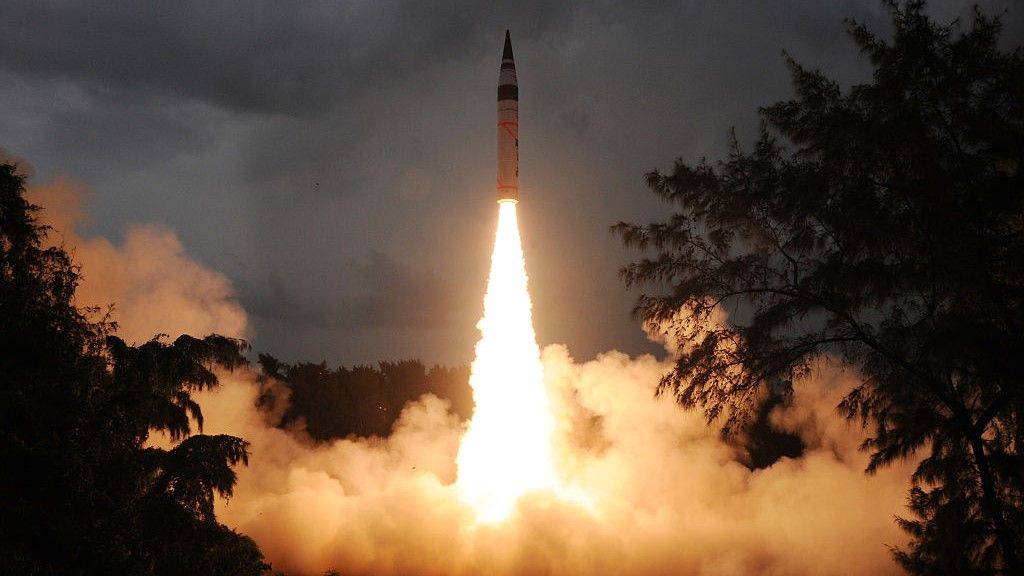
Both India and Pakistan possess around 170 nuclear warheads each, according to SIPRI. India’s recent test of the Agni-5 missile, capable of striking targets over 5,000 km away, shows a push toward strategic reach, while Pakistan is developing tactical nuclear capabilities and could have 200 warheads by the late 2020s.
2. Ambiguous Nuclear Doctrines
India follows a “No First Use” (NFU) doctrine—at least on paper. But this policy has shown signs of softening since 2003, and statements by former defense officials have introduced uncertainty. Pakistan, on the other hand, has no official doctrine but outlined “red lines” in 2001 that could justify nuclear use if crossed.
3. Recent Escalations and Strategic Signaling
The 2025 standoff saw Pakistan activate its National Command Authority (NCA), a clear strategic signal of nuclear readiness. Prime Minister Modi responded by rejecting nuclear blackmail, asserting India’s right to conduct decisive counterterrorism operations, even in the face of nuclear threats.
4. Historical Close Calls
The 1999 Kargil War and 2019 Balakot crisis brought the region dangerously close to nuclear conflict. Former U.S. Secretary of State Mike Pompeo revealed that in 2019, India feared a Pakistani nuclear strike was imminent. Such historical instances show how easily conflict can escalate.
5. Risk of Accidental Launches
In March 2022, India accidentally fired a nuclear-capable missile into Pakistani territory. Though no lives were lost, the failure to immediately alert Pakistan could have triggered a catastrophic response under different circumstances. This demonstrates the risk posed by human error, system failures, or cyber interference.
6. Lack of Hotlines and Real-Time Communication
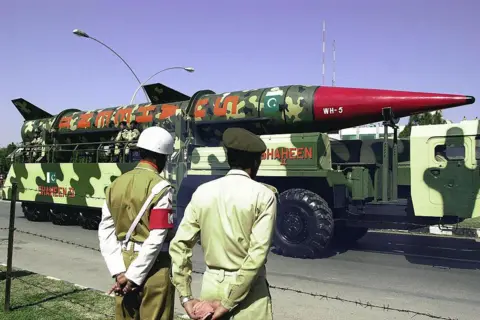
Despite having military hotlines, communication between India and Pakistan remains unreliable during crises. In the 2022 accidental missile launch, India delayed its public explanation, increasing mistrust. Lack of consistent, real-time crisis communication is a key destabilizing factor.
7. Global Consequences and Diplomatic Constraints
International players like the U.S. often step in to prevent escalation—as seen with Secretary of State Marco Rubio’s 2025 intervention. However, reliance on external mediation cannot substitute for stable bilateral mechanisms. The risk persists that one miscalculation could outpace diplomacy.
Conclusion
While both countries have successfully avoided nuclear war despite numerous provocations, the risk remains latent—and unacceptable. Experts like John Erath of the Center for Arms Control argue that even a “small” risk of nuclear exchange is too large. Leaders must invest in robust communication, clarify doctrines, and build trust to prevent the next crisis from becoming catastrophic.
For deeper insight into the 2025 ceasefire that helped avert escalation, read our ceasefire timeline analysis. Also explore how BrahMos missile strikes shaped strategic deterrence.