
Introduction: Our Oceans Are Reaching a Tipping Point
In a groundbreaking 2025 study published in Global Change Biology, scientists have issued a dire warning: the world’s oceans may have crossed a dangerous threshold for ocean acidification as early as 2020. This chemical shift is driven by massive CO₂ emissions from fossil fuels, posing a threat to marine ecosystems and coastal economies.
The focus keyword ocean acidification has now become central in environmental discussions. As acidity rises, the oceans’ ability to support life diminishes — triggering cascading ecological and economic effects.

How Ocean Acidification Happens
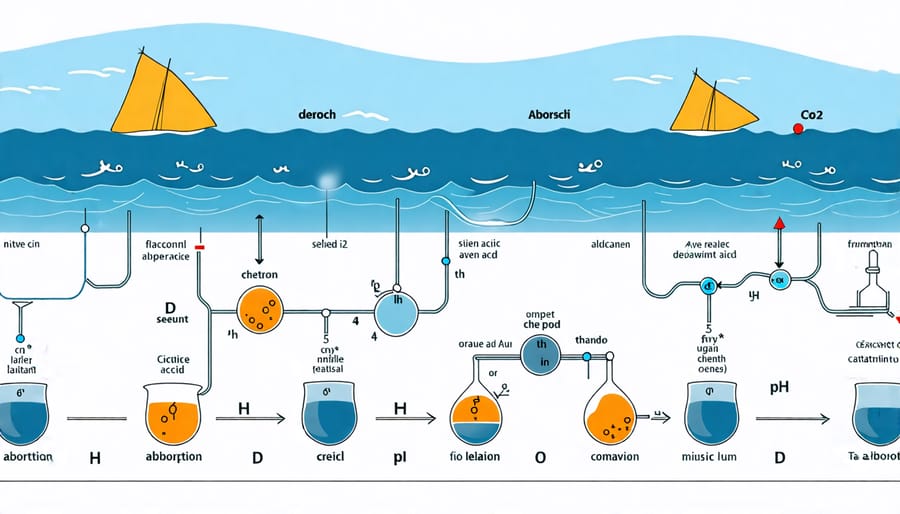
Ocean acidification occurs when excess carbon dioxide (CO₂) dissolves in seawater. This leads to the formation of carbonic acid, reducing ocean pH and depleting carbonate ions — a critical component for marine organisms like corals, oysters, and shellfish to build their skeletons and shells.
- CO₂ emissions rise due to industrialization and fossil fuel burning
- Oceans absorb around 25–30% of this CO₂
- pH levels decrease, harming marine biodiversity
The Planetary Boundary Has Likely Been Breached
The concept of planetary boundaries defines safe environmental limits. According to the new 2025 study, ocean acidification has surpassed this boundary, with a 19% decline in aragonite saturation — a key indicator of ocean health — since the pre-industrial era.
Aragonite is essential for the development of corals and mollusks. Its decline directly threatens the integrity of marine food chains and coral reefs, already stressed by global warming and pollution.
Global Consequences: Marine Life and Human Livelihoods at Risk
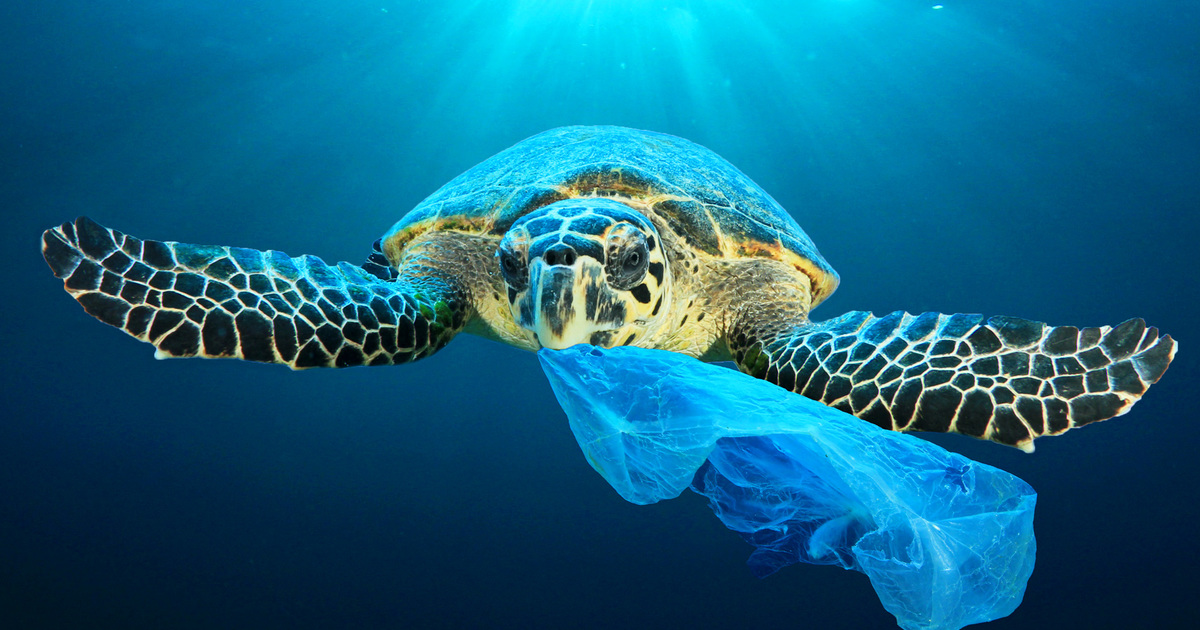
Scientists warn that continued acidification will have severe consequences for biodiversity and food security. Coral reefs, which support 25% of all marine life, are at risk of collapse. Shellfish industries in countries like the U.S., India, and the Philippines are already seeing the economic impacts of poor shell growth and increasing mortality rates.
Communities reliant on ocean fishing — especially in low-income coastal regions — face declining catch volumes and collapsing local economies. This ties ocean acidification directly to human survival and social stability.
What Can Be Done to Prevent Further Damage?
Preventing further ocean acidification requires coordinated global efforts to:
- Reduce fossil fuel use through renewable energy adoption
- Support carbon capture and storage (CCS) innovations
- Protect and restore marine ecosystems, especially coral reefs
- Monitor ocean pH levels and aragonite saturation in real-time
Policy makers, industries, and citizens alike must recognize the oceans’ central role in climate regulation. The time for action is now.
Conclusion: A Call to Protect the Blue Heart of the Planet
With ocean acidification entering the danger zone, the planet’s blue ecosystems are crying out for help. From coral reefs to shellfish, marine life is in jeopardy — and so are the people who depend on them. As scientific evidence mounts, this issue must remain at the forefront of environmental policy and public awareness.
To explore further, read the full 2025 study on Global Change Biology.
Want to learn more? Check out our related post on how rising sea levels are affecting India’s coastal regions.