
Introduction
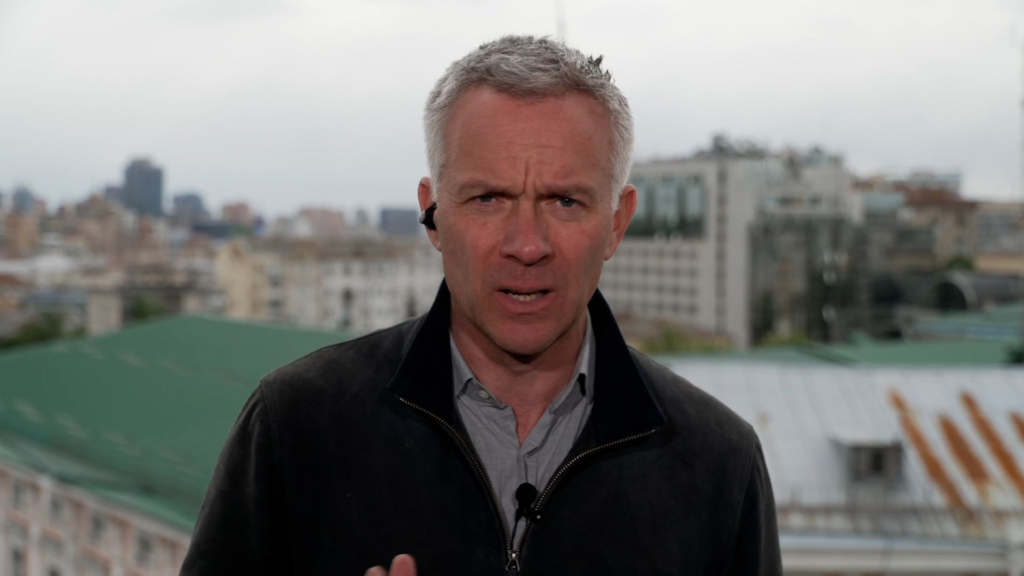
A “stark and remarkable moment” is how CNN’s Nick Paton Walsh described the growing international demand for a Russia-Ukraine ceasefire. As the war drags into its third year with no clear resolution in sight, voices across the geopolitical spectrum are now calling for a negotiated end to hostilities. This article breaks down the top five insights from Paton Walsh’s coverage and the broader implications for the region and the world.


1. Growing Diplomatic Pressure on Ukraine
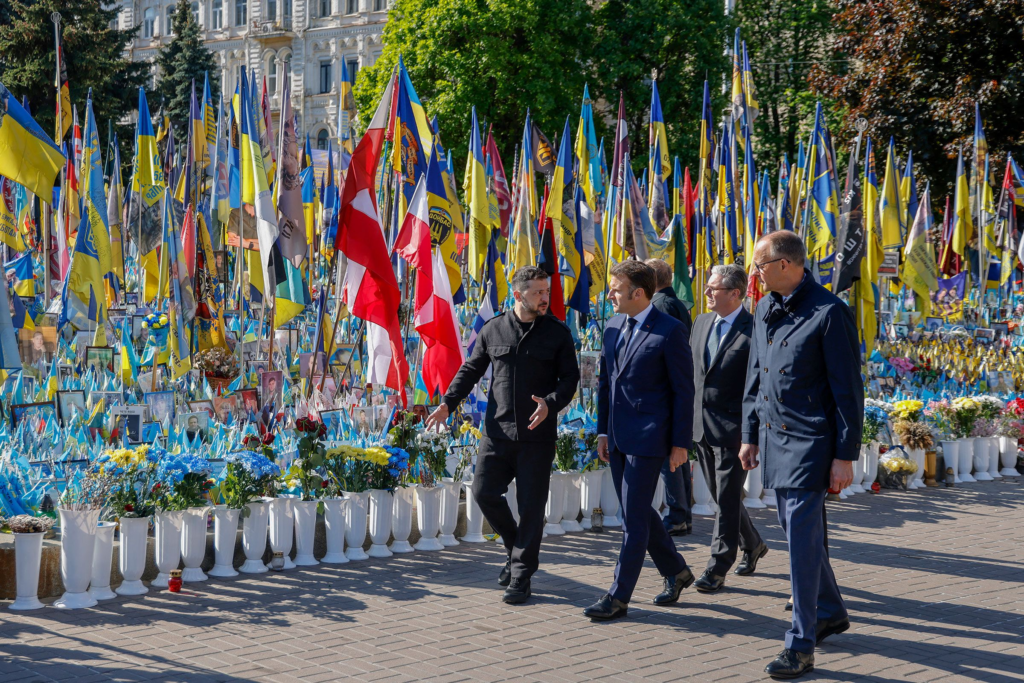
The United States and several Western allies are reportedly urging Volodymyr Zelensky to reconsider his stance on ceasefire negotiations. The recent remarks by Senator JD Vance underscore a shift in U.S. political sentiment, suggesting the possibility of American support waning if diplomacy is not prioritized soon.
2. Nick Paton Walsh’s On-the-Ground Perspective
Reporting from Ukraine, Nick Paton Walsh highlighted the emotional and political fatigue among civilians and soldiers alike. Many feel trapped in a war without an exit strategy, while international partners debate when and how to initiate peace talks. His coverage underscores the complexity of ceasefire decisions amid active conflict.
3. Zelensky’s Reluctance to Negotiate
President Zelensky remains firmly against initiating talks while Russian forces occupy Ukrainian territory. This position reflects strong public sentiment in Ukraine but increasingly places him at odds with international partners looking to de-escalate the war. The contrast between Ukraine’s goals and external pressures forms a central tension in the ceasefire debate.
4. Russia’s Tactical Advantage and Ceasefire Leverage
Analysts suggest that Vladimir Putin could use a ceasefire to consolidate gains and strengthen his hold on occupied regions. This creates a moral and strategic dilemma for Ukraine: agree to talks and risk legitimizing Russia’s aggression, or continue fighting with dwindling resources.
5. The Role of Media in Shaping Global Perception
Paton Walsh’s framing of the ceasefire push as “stark and remarkable” reflects a broader shift in narrative. Media coverage has moved from optimistic support of Ukraine’s resilience to cautious consideration of long-term peace strategies. This shift may influence public opinion and, by extension, foreign policy decisions in NATO countries.
Conclusion
The demand for a Russia-Ukraine ceasefire is no longer a fringe position. With increasing global pressure and rising fatigue both within and outside Ukraine, the geopolitical chessboard is clearly shifting. Whether or not Zelensky concedes to negotiations, this moment marks a turning point in the international community’s approach to the war. As Nick Paton Walsh reported, this is indeed a stark and remarkable moment — one that could redefine the next chapter of the Ukraine conflict.
Next Read: U.S. Pressure on Ukraine to Enter Ceasefire Talks