
Introduction
Severe rainfall alerts are increasingly common across the globe as extreme weather events intensify due to climate change. From India’s monsoon regions to parts of China, Europe, and the United States, heavy rainfall is triggering flash floods, endangering lives, damaging infrastructure, and creating massive economic losses. In this blog, we explain what severe rainfall alerts mean, why they are rising, and how you can stay safe and prepared.
What Causes Severe Rainfall Alerts?
Several factors contribute to severe rainfall events:
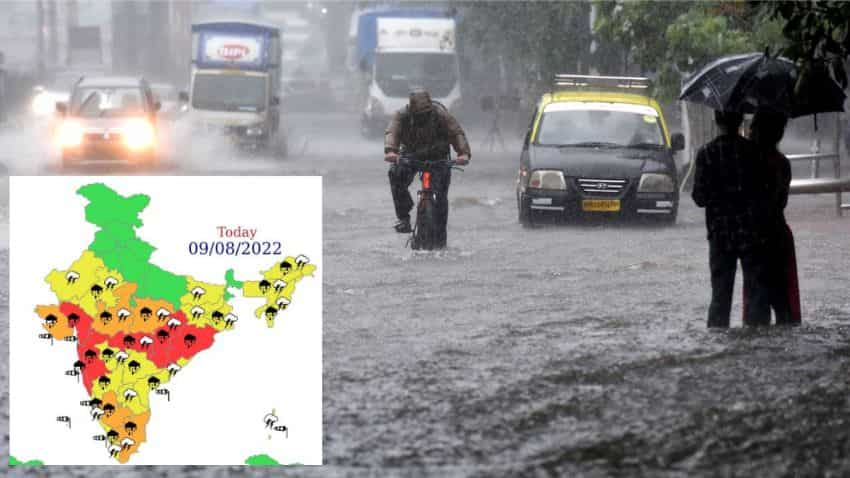
- Monsoon intensification: India’s Meteorological Department (IMD) issued red alerts in multiple states after observing rainfall levels exceeding 200mm in 24 hours. (Source: IMD)
- Climate change: NASA recently reported that the frequency and intensity of extreme rainfall events have doubled since 2003 due to global warming.
- Urbanization and infrastructure failure: Poor drainage and inadequate urban planning have made cities more vulnerable to sudden flooding even with moderate rain.
Recent Severe Rainfall Incidents
Recent examples highlight the seriousness of severe rainfall:
- West Virginia, USA: In June 2025, sudden flash floods claimed 6 lives after 4 inches of rain fell within an hour, overwhelming drainage systems. (Source: AP News)
- China: Red flood alerts were issued after torrential rains pushed river levels over critical thresholds, displacing thousands and damaging farmlands.
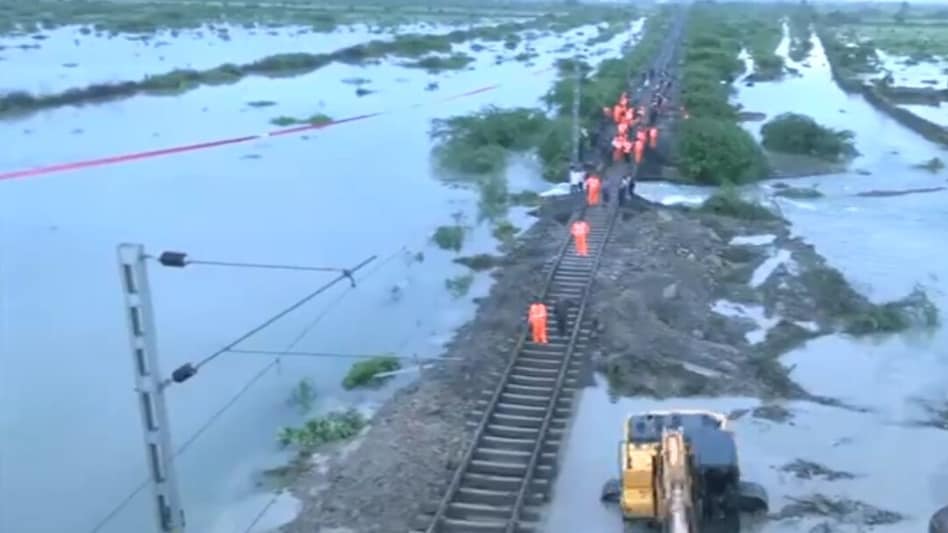
- Jharkhand, India: Monsoon rains surged 509% above average, forcing authorities to close schools and issue red alerts across the region. (Source: Times of India)
Dangers of Severe Rainfall Alerts
Severe rainfall poses multiple risks:
- Flash floods can sweep away vehicles and endanger pedestrians in seconds.
- Infrastructure failures lead to power outages, collapsed roads, and water contamination.
- Health threats include waterborne diseases and mold outbreaks after flooding.
- Disruptions to agriculture result in food shortages and economic losses globally.
Essential Safety Tips During Severe Rainfall
Preparation is critical during severe rainfall alerts:
- Stay informed via IMD alerts, weather apps, or local authorities.
- Avoid walking or driving through flooded roads — even shallow waters can be deadly.
- Prepare an emergency kit: food, water, first-aid, flashlight, extra batteries, documents, and medications.
- Secure your home: clear gutters, reinforce weak structures, and store valuables on higher levels.
- Have a family evacuation plan and practice it regularly.
How Climate Change Is Intensifying Rainfall
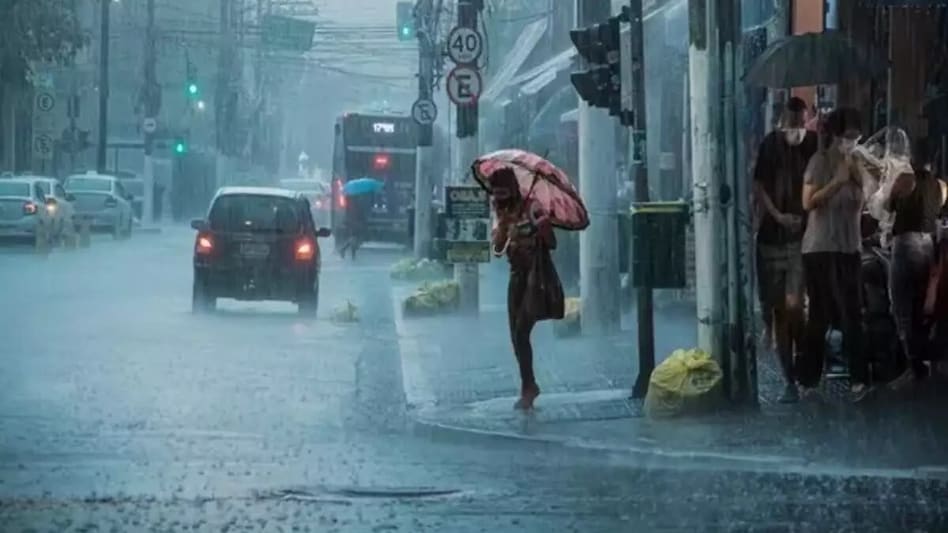
Warmer temperatures cause more moisture to evaporate into the atmosphere, increasing the chances of extreme rainfall events. According to NASA, climate-driven changes in precipitation patterns are expected to continue rising in the coming decades. Global authorities stress that stronger disaster preparedness and resilient infrastructure are essential to mitigate these growing threats.
Conclusion
Severe rainfall alerts are no longer rare events — they are becoming the new normal. As extreme weather events intensify, staying informed and prepared can save lives. Follow official advisories, protect your property, and educate your family on emergency plans. For the latest updates on global weather and natural disasters, visit The Morning News Informer.