
xBratislava, Slovakia — Slovakia has approved the public sale of brown bear meat following a government plan to cull approximately 350 of the country’s estimated 1,300 brown bears. This decision, announced this week, follows a rise in human-bear encounters, including recent fatal attacks, and has ignited fierce backlash from conservationists and European lawmakers.
Brown bears (Ursus arctos) are protected under EU conservation laws, and the move could put Slovakia at odds with the European Union’s strict regulations on wildlife protection. Critics argue the mass culling and meat commercialization violate the EU Habitats Directive and ignore non-lethal alternatives to managing human-wildlife conflict.
Government Defends Policy Citing Public Safety
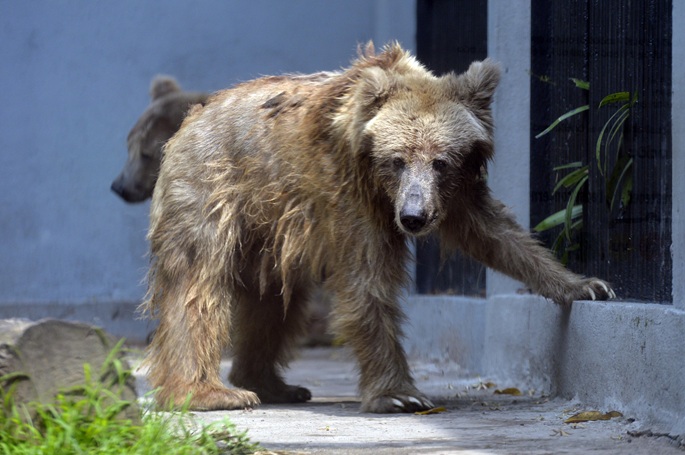
Prime Minister Robert Fico defended the controversial decision, stating that Slovaks “cannot live in fear of entering the forest.” His administration claims the bear population has grown unsustainably and that urgent action is needed after a man was killed in April during a forest walk.
The government plans to release meat from culled bears for sale starting next week. Environment Ministry official Filip Kuffa said the move aims to reduce waste: “We will release every shot animal that meets certain conditions for consumption. Why? Because bear meat is edible.”
Conservation and Legal Concerns
Environmental groups strongly oppose the decision. Greenpeace Slovakia called the plan “completely reckless,” while Michal Wiezik, a Member of the European Parliament and ecologist, labeled it “absurd.”
“Thousands of bear encounters each year end peacefully,” Wiezik told the BBC, stressing that prevention measures—not mass culling—are the solution. He urged the European Commission to intervene, citing the species’ “near-threatened” status on the IUCN list and its strict protection under EU law.
Health Risks of Bear Meat
Bear meat is considered a delicacy in some parts of Eastern Europe and Nordic countries but is rare and tightly regulated. Health authorities have raised warnings about Trichinella parasites, which can infect humans through undercooked wild meat.
European regulations mandate rigorous testing of all bear meat for Trichinella larvae before it can be sold. The US CDC recommends an internal cooking temperature of at least 70°C (158°F) to eliminate the risk. Freezing, drying, or smoking the meat does not reliably kill the parasite.
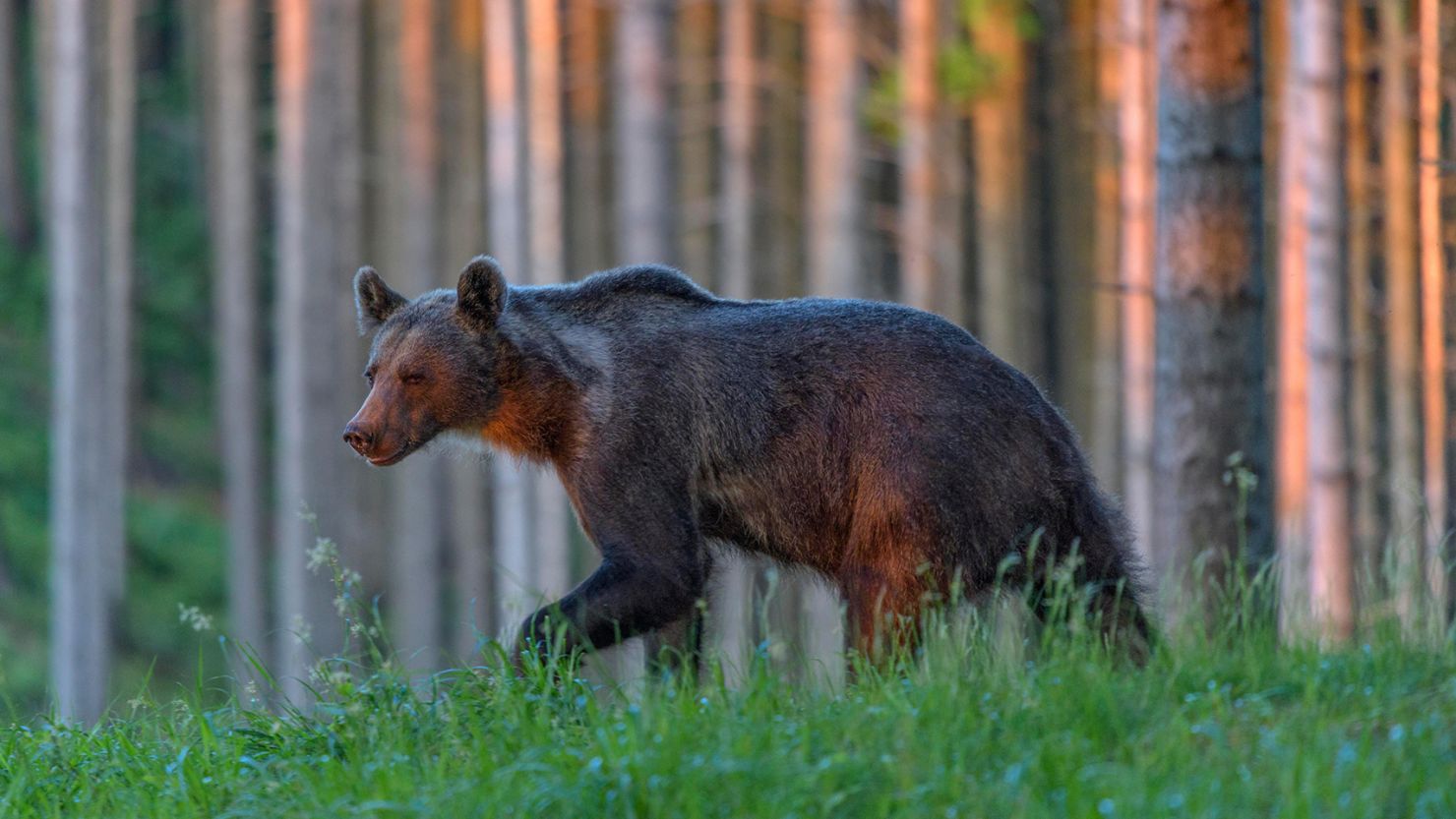
EU Response Anticipated
So far, the European Commission has not formally responded to Slovakia’s policy, but pressure from MEPs and conservationists is mounting. If implemented as planned, the policy could open the door to legal challenges or sanctions under EU environmental frameworks.
As Slovakia proceeds with the sale and expanded culling, the broader debate on how Europe balances public safety, conservation laws, and cultural practices intensifies. The country now faces the difficult question: Is managing fear worth sacrificing a species’ protected status?