
Introduction
After years of anticipation and bold promises, Tesla is finally preparing to launch its public robotaxi service on June 22, 2025, starting in Austin, Texas. CEO Elon Musk announced the tentative start date on X (formerly Twitter), confirming that select Tesla vehicles will begin offering rides without human drivers under remote supervision.
The move marks a significant pivot from Tesla’s earlier focus on affordable electric vehicles (EVs), signaling a deep investment in autonomous vehicle (AV) technology as a core part of the company’s future.
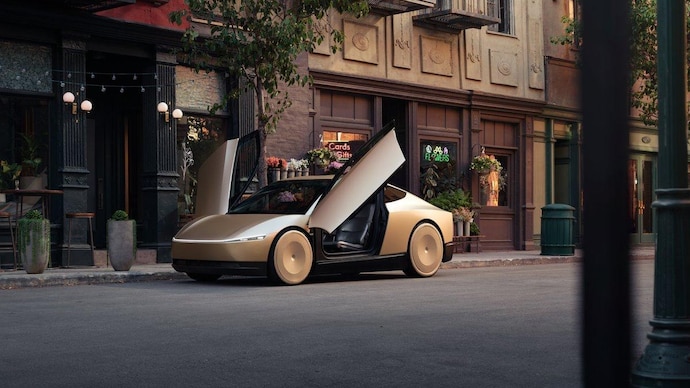
What to Expect From the June 22 Launch
Tesla’s rollout will begin with approximately 10–20 Model Y vehicles in a geo-fenced zone of Austin. These robotaxis will operate with remote human oversight and use the latest version of Tesla’s Full Self-Driving (FSD) software.
Musk emphasized Tesla is being “super paranoid about safety,” leaving room for a potential delay if regulators or internal checks raise concerns. The Austin deployment will act as a live testbed for the broader U.S. rollout planned for late 2025, including states like California — known for its strict AV regulations.
From Factory Line to Front Door — The June 28 Innovation
In another bold update, Musk revealed that from June 28, Tesla vehicles will autonomously drive themselves from the end of the factory production line directly to a customer’s house. If successful, this would be an industry-first and potentially a game-changer for vehicle delivery logistics.
Why This Launch Matters for Tesla
With slowing EV sales due to increased global competition and recent controversies surrounding Musk’s political affiliations, Tesla’s robotaxi success is critical. The company’s market valuation has long reflected investor belief in a self-driving future, and this public launch is a crucial step toward fulfilling that vision.
Challenges Tesla Faces
- Safety Concerns: Skepticism remains high regarding Tesla’s FSD reliability.
- Regulatory Hurdles: States like California have more stringent rules for AVs.
- Public Trust: A minor incident could set back public acceptance significantly.
Robotaxi vs Traditional Ride-Hailing

This launch also signals a direct challenge to ride-hailing giants like Uber and Lyft. If successful, Tesla’s robotaxis could drastically cut ride fares, reduce human driver dependence, and operate 24/7 with minimal overhead.
Ironically, Uber recently launched its first robotaxi service outside the U.S. in Abu Dhabi, highlighting the growing competition in this space.
Technology Behind the Ride
The robotaxi fleet will run on Tesla’s new FSD software, which includes improvements in:
- Urban navigation and turning
- Intersection handling and lane changes
- Obstacle detection using neural net-based vision
A recent video posted by Musk shows a Model Y robotaxi navigating an Austin intersection without a driver, followed closely by another autonomous Model Y — a clear demonstration of the system in action.
What’s Still Unknown?
While the excitement is palpable, much remains unclear:
- Booking System: Will it be through the Tesla app or a separate platform?
- Pricing: Will robotaxi rides be cheaper than traditional rideshares?
- Insurance & Liability: How will Tesla handle accidents?
Conclusion
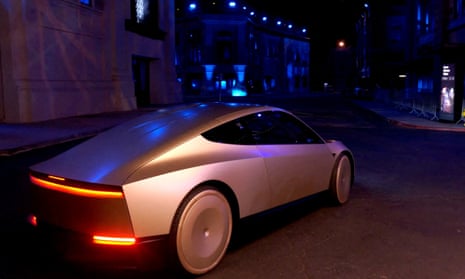
As of now, June 22, 2025 is shaping up to be a historic date for Tesla and the broader AV industry. Whether the robotaxi dream finally takes off or hits a regulatory roadblock, Elon Musk is once again forcing the world to rethink what’s possible.
Stay updated on the latest EV and AI tech breakthroughs — visit our Auto News section.