
Table of Contents
- Background: Understanding the Quest for Longevity
- The Seven Key Themes for a Longer Life
- Health and Lifestyle Insights from Older Americans
- Mindset, Relationships, and Financial Wisdom
- Faith, Work, and Purpose: The Emotional Pillars
- Expert Commentary on Longevity Practices
- Conclusion: Building a Balanced and Purposeful Life
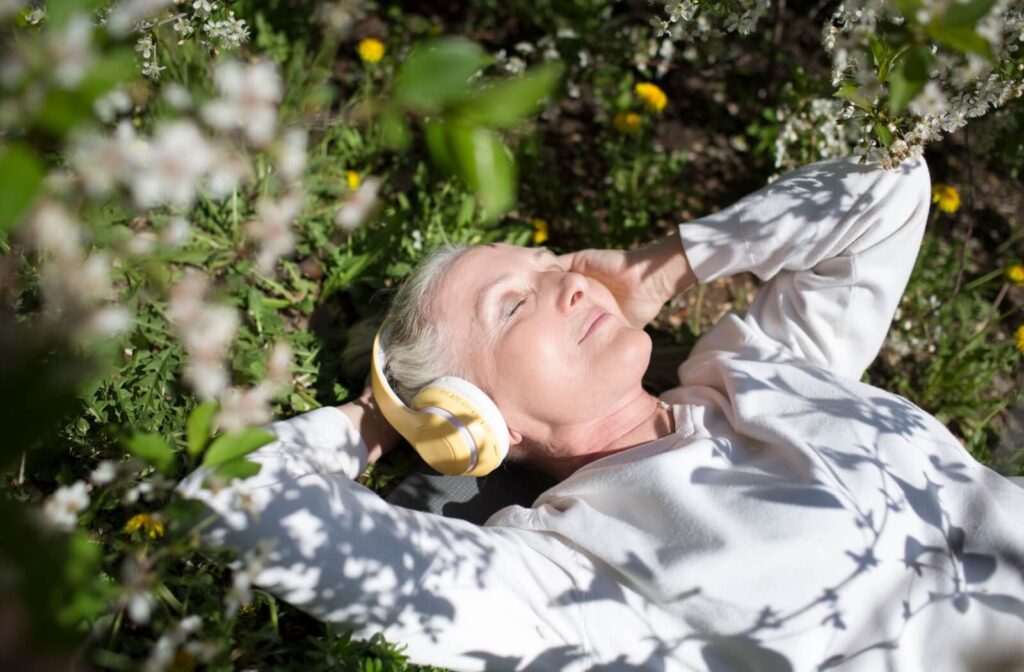
Background: Understanding the Quest for Longevity Tips for Living a Long and Healthy Life
For centuries, humans have been fascinated by the idea of living a long and healthy life. From ancient herbal remedies to modern wellness science, the pursuit of longevity remains one of humanity’s deepest desires. The Pew Research Center recently explored this topic by interviewing 2,582 Americans aged 65 and older, asking them what advice they would offer to younger generations about ageing gracefully.
Their answers offer not just medical or fitness advice, but life wisdom rooted in experience — a combination of health, happiness, purpose, and resilience. This longevity advice from older Americans serves as a living guide for anyone seeking balance and vitality in modern times.
The Seven Key Themes for a Longer Life
The Pew study identified seven recurring themes that define the lives of those who live longer, healthier, and happier lives:
- Health – A balanced diet, regular exercise, and medical check-ups.
- Finances – Smart saving, budgeting, and long-term security.
- Mindset – A positive outlook, gratitude, and lifelong curiosity.
- Relationships – Family, friends, and meaningful social bonds.
- Activities – Hobbies, interests, and volunteer work.
- Work – Staying active and mentally engaged.
- Faith/Religion – A connection to something greater and inner peace.
Each of these pillars reflects how older Americans find balance between the physical, emotional, and spiritual dimensions of life — crucial elements in the journey toward longevity.
Health and Lifestyle Insights from Older Americans
Nearly half (49%) of the respondents emphasized that maintaining good health is the foundation of a long life. Their top tips included:
- Following a nutritious diet rich in fruits, vegetables, and whole foods.
- Engaging in regular physical activity such as walking, yoga, or light resistance exercises.
- Getting enough rest and hydration.
- Scheduling routine medical checkups to prevent health issues early.
One remarkable insight came from Malcom Idelson, a 94-year-old interviewed by CNBC, who said: “I try to walk every day, without excuse. I’m often a little down and I say, ‘Let me get out and walk,’ and I feel so much better.” His approach highlights how small, consistent habits can significantly impact emotional and physical well-being over time.
Moreover, centenarians emphasized the importance of a predominantly plant-based diet. Studies have long supported that diets rich in whole foods and low in processed sugars and red meats are associated with improved longevity and lower risk of chronic diseases.
Mindset, Relationships, and Financial Wisdom
Approximately 25% of the seniors surveyed underscored the value of maintaining a positive mindset. They encouraged younger generations to live with gratitude, enjoy small moments, and embrace change. This psychological flexibility, experts say, helps lower stress and enhances resilience against age-related decline.
Relationships also play a critical role. Eleven percent highlighted the joy of building a family, maintaining strong friendships, and engaging in social activities. Research consistently shows that individuals with active social lives tend to have lower risks of depression, cognitive decline, and heart disease.
Financial preparedness was another major theme. About 37% of respondents advised saving early and managing finances wisely to ensure independence and peace of mind later in life. Having a financial safety net reduces stress and allows older adults to focus on health, hobbies, and relationships — all vital contributors to longevity.
Faith, Work, and Purpose: The Emotional Pillars
For many seniors, work and faith are sources of purpose. Roughly 8% mentioned the importance of staying engaged in work — whether through formal jobs, community service, or personal projects. This engagement keeps the mind sharp and gives a sense of fulfillment that retirement alone may not provide.

Another 7% emphasized faith and religion as key components of inner strength. Belief systems offer community, routine, and comfort during life’s challenges. Studies have shown that spiritual practices like prayer and meditation reduce stress and promote emotional stability, both of which support long-term health.
Additionally, hobbies and volunteer activities emerged as meaningful pursuits. From gardening to painting or mentoring youth, these interests provide structure, joy, and mental stimulation — all essential for healthy ageing.
Expert Commentary on Longevity Practices
Health experts echo much of what older Americans recommend. Dr. Michael Greger, author of “How Not to Die,” argues that lifestyle medicine — emphasizing nutrition, exercise, and social connection — can prevent 80% of chronic diseases. Similarly, heart surgeons with decades of experience advocate five daily habits for extending lifespan: eating plant-based meals, managing stress, exercising, maintaining social ties, and getting enough sleep.
Modern gerontology also points to the importance of mental resilience. Psychological studies reveal that optimism and purpose-driven living can add years to life expectancy. People who maintain curiosity and engage in lifelong learning have higher cognitive performance well into their 80s and 90s.
In short, science reinforces what experience already teaches: long life is not merely about surviving longer — it’s about thriving with balance, gratitude, and compassion.
Conclusion: Building a Balanced and Purposeful Life
The collective longevity advice from older Americans reminds us that the keys to a long and healthy life are within reach for everyone. Prioritize your physical health, nurture your relationships, cultivate gratitude, stay financially prepared, and engage in meaningful activities. These elements, when practiced consistently, can transform not just lifespan but also life quality.
Whether through mindful eating, daily movement, laughter with loved ones, or spiritual reflection, every small action contributes to a larger pattern of vitality. Longevity, after all, is not just about years lived — it’s about how deeply and joyfully we live them.
Related Reads
By The Morning News Informer— Updated November 9, 2025