
Senate Parliamentarian Elizabeth MacDonough, often an obscure figure in Washington, has become the latest roadblock to former President Donald Trump’s sweeping new tax and spending proposal Trump big beautiful bill, dubbed the “Big Beautiful Bill.” Her rulings have thrown major parts of the legislation into jeopardy just days before the self-imposed July 4 deadline set by the Trump White House.
What’s in Trump’s ‘Big Beautiful Bill’?
The proposed 1,000-page bill includes large-scale tax cuts, reductions to social safety nets like Medicaid and SNAP, and a controversial measure to eliminate taxes on tips and overtime pay. It passed the House narrowly earlier this month and is currently undergoing Senate revision.
Republicans hoped to pass the legislation via the budget reconciliation process — a method that bypasses a Senate filibuster and allows bills to pass with a simple majority. However, that process also invokes strict compliance with the Byrd Rule, which prohibits non-budgetary provisions in reconciliation bills.
MacDonough’s Rulings and Senate Turmoil Trump big beautiful bill
MacDonough, who has served as the Senate’s parliamentarian since 2012, ruled that several parts of the bill violate the Byrd Rule. Among the rejected provisions: a cap on states’ ability to draw federal Medicaid funds via provider taxes and measures limiting contempt enforcement against the executive branch.

Her findings have incensed several Trump-aligned Republican senators. Senator Tommy Tuberville of Alabama publicly demanded her removal, calling her a “threat to the president’s mandate.” Senator Roger Marshall of Kansas also suggested term limits for the parliamentarian, referencing a 2001 incident when then-parliamentarian Robert Dove was fired by Republicans for similar reasons.
What Does the Senate Parliamentarian Do?
As the nonpartisan procedural expert of the chamber, the Senate Parliamentarian rules on the interpretation of Senate rules and ensures legislative compliance with reconciliation and budget procedures.
MacDonough has previously drawn ire from Democrats too — particularly in 2021, when she ruled a $15 federal minimum wage increase could not be included in a COVID-19 relief bill.
Republican Divisions and Thune’s Caution
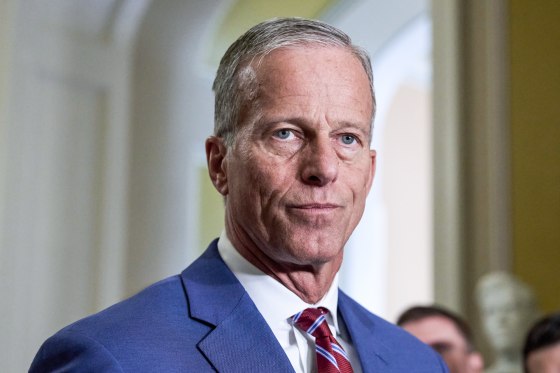
Despite the uproar, Senate Republican Leader John Thune urged restraint. “These rulings are speed bumps,” Thune said, signaling no intention to overrule or fire MacDonough. Instead, he suggested Republicans should consider rewriting parts of the bill to bring them into compliance.
Trump’s team remains firm on the deadline. White House Press Secretary Karoline Leavitt said, “The president is adamant about seeing this bill on his desk by Independence Day.” But as of now, it remains uncertain whether Republicans can unify on a version that survives procedural scrutiny.
What’s Next?
If the bill clears the Senate, it will return to the House for final approval — where conservative members have already voiced concern about possible Senate compromises. Any delay threatens the president’s narrative of decisive action early in his term.
Analysts warn that if Republicans fire the parliamentarian or disregard her advice, it could set a precedent for Democrats to do the same in the future, undermining the nonpartisan procedural safeguards of the chamber.
With mounting pressure, internal GOP division, and an assertive parliamentarian standing guard over Senate rules, Trump’s “Big Beautiful Bill” may face more obstacles than anticipated.
Related: Trump Pushes New Immigration Bill Amid Border Tensions