
Introduction
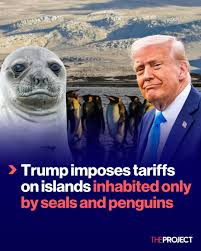
In one of the most perplexing episodes of U.S. trade policy, former President Donald Trump imposed tariffs on an uninhabited remote island during his administration. While his trade war with China, Canada, and the EU drew headlines, this obscure decision flew under the radar. Here, we uncover the top five facts about this baffling geopolitical move that continues to raise eyebrows among analysts and economists alike.


1. The Island Is Completely Uninhabited
The island in question—part of a remote Pacific archipelago—has no residents, no infrastructure, and no known exports. Its mention in a U.S. tariff list was likely a clerical or symbolic inclusion, possibly meant to assert strategic influence rather than enact economic pressure.
2. It Was Listed Alongside Major Economies
In a curious twist, the island appeared on the same list of tariffed regions that included China, Mexico, and the European Union. This bizarre grouping sparked confusion among trade experts and led to speculation about whether it was intentional or simply an error.
3. It May Have Strategic Military Value
Despite its economic insignificance, the island sits near a strategically important maritime route. Some analysts believe the inclusion of the island was a subtle nod to its potential military value, especially in the context of rising U.S.-China tensions in the Indo-Pacific.
4. No Country Claimed It Was Affected
After the tariffs were announced, no government or commercial entity stepped forward to protest or confirm the economic impact—because there wasn’t any. This reinforced the absurdity of the situation and highlighted a pattern of erratic trade decisions made during the Trump presidency.
5. It Became an Internet Meme
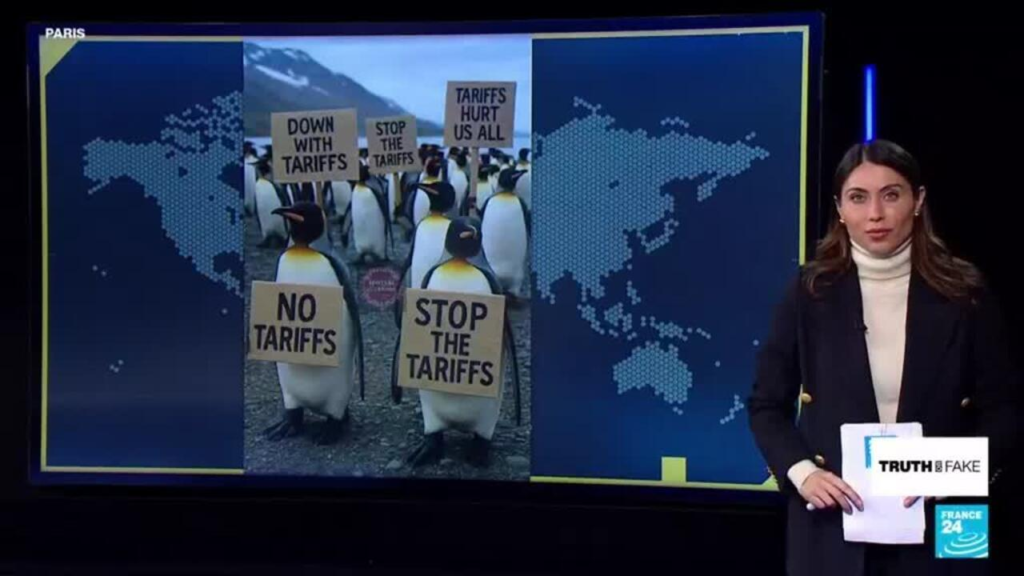
Following a viral tweet referencing the tariffed island, the story became a meme in political satire circles. It symbolized what critics saw as the randomness of the Trump administration’s approach to international trade and was even featured in comedy sketches and editorial cartoons.
Conclusion
The story of the uninhabited remote island Trump imposed tariffs on is a surreal reminder of the unpredictable nature of political decisions—and their power to shape narratives, even when devoid of real-world impact. Whether it was a strategic signal, a clerical oversight, or a moment of symbolic bravado, it remains one of the more peculiar episodes of modern U.S. trade history.
For more insights on unexpected trade policy moves, read our analysis of Trump’s most unusual tariff decisions.