
The United Kingdom has embarked on its most significant military expansion in decades with the unveiling of the 2025 UK Strategic Defence Review (SDR). Spearheaded by Prime Minister Keir Starmer, the SDR responds to escalating global threats by aiming to bring the UK to full war-fighting readiness. But what does this ambitious plan involve, and can the government fund the projected £67.6 billion cost through to the late 2030s? This blog breaks down the key components of the UK defence expansion and the challenges ahead.
Key Features of the UK Strategic Defence Review
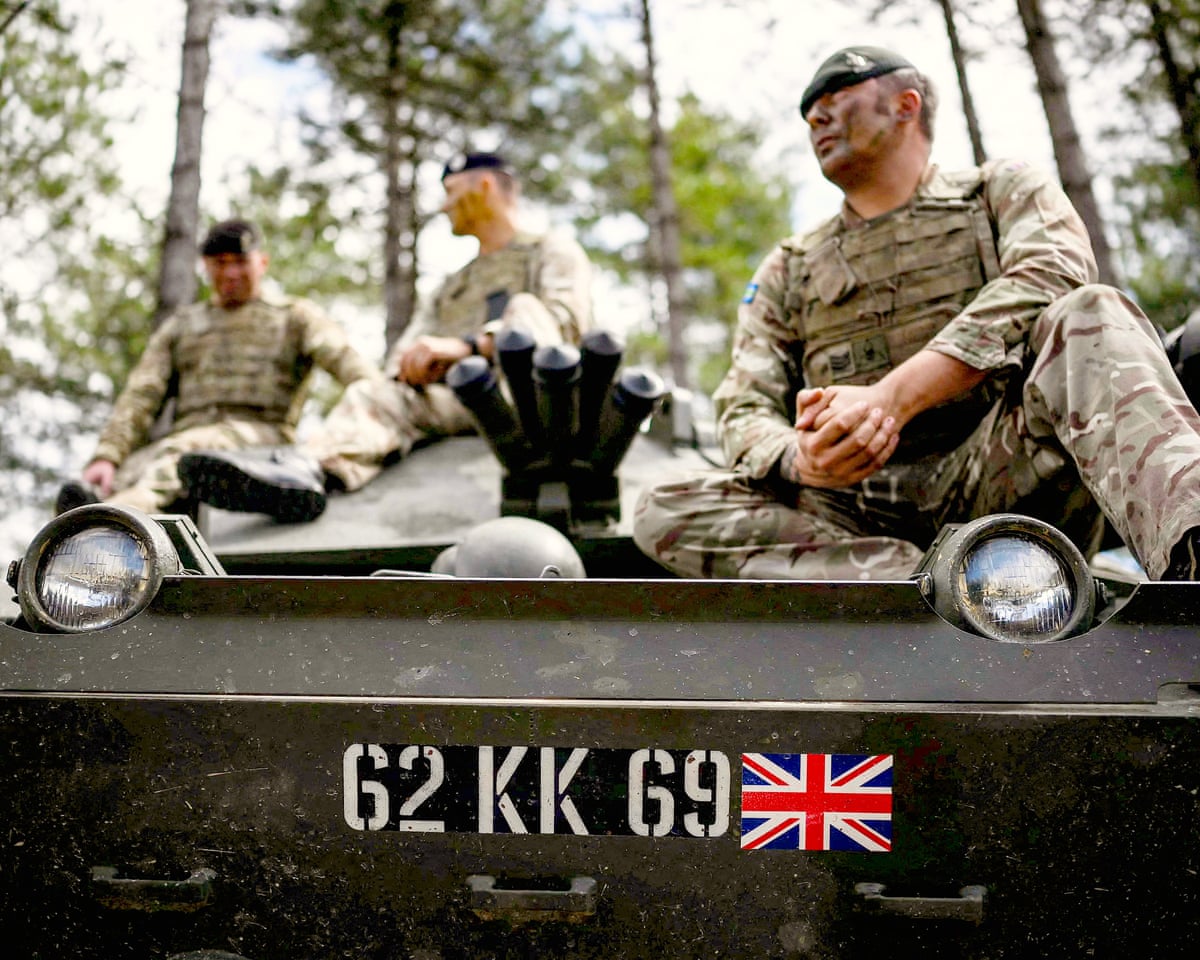
Led by former NATO Secretary-General George Robertson, the SDR contains 62 government-approved recommendations designed to transform UK military capabilities amid rising threats from Russia and China. The review focuses on:
- Nuclear Warhead Program Boost: A £15 billion ($20.3 billion) investment to modernize and expand the UK’s nuclear deterrent.
- New Fleet of Attack Submarines: Plans to build up to 12 advanced submarines by the late 2030s, supporting the AUKUS alliance with Australia and the US.
- Munitions Factories: £1.5 billion ($2 billion) allocated to create at least six new munitions and energetics factories, aiming to produce 7,000 long-range weapons UK Strategic Defence Review.
- Increased Ammunition Spending: Expected to reach £6 billion ($8.1 billion) during the current parliamentary term ending in 2029.
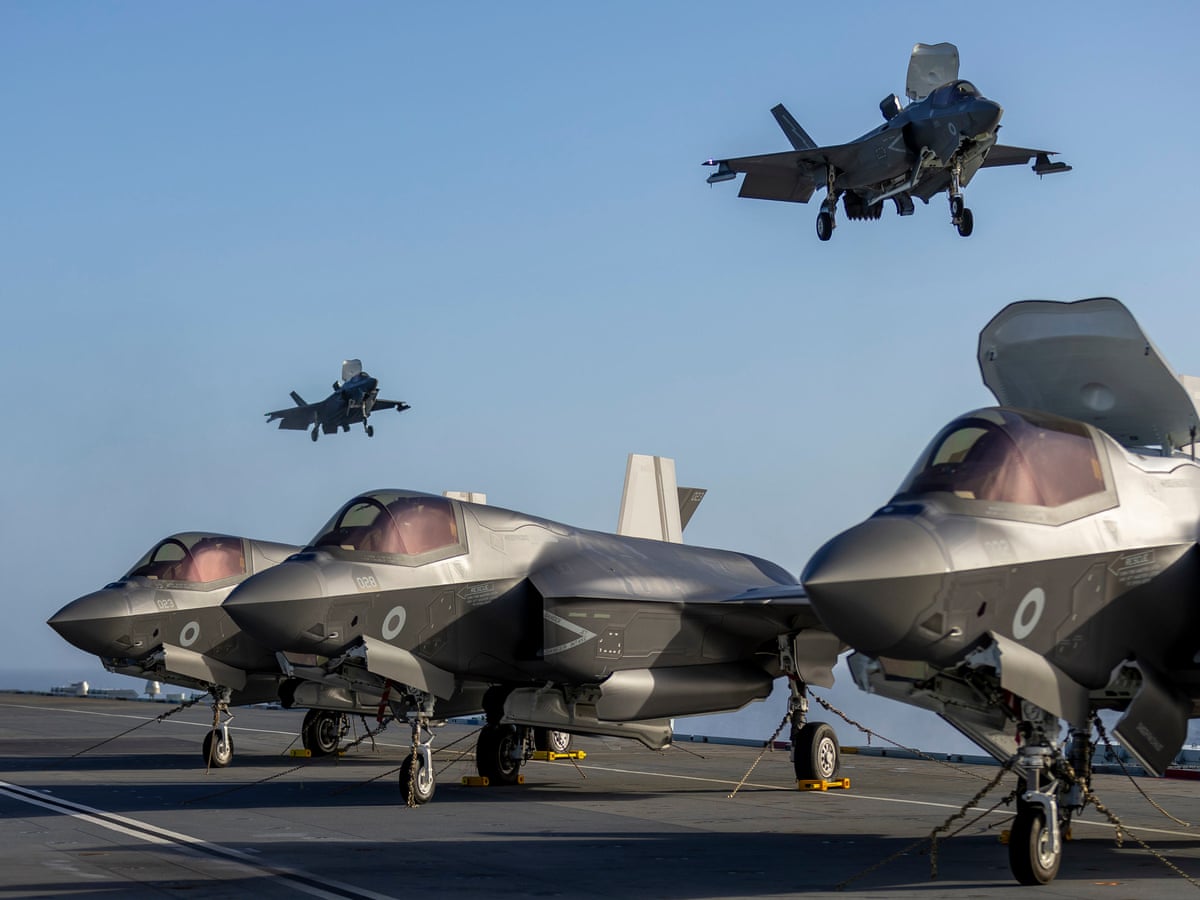
- Next-Gen Fighter Jets: Procurement of new F-35 fighters and development of the Global Combat Aircraft, a sixth-generation jet in collaboration with Japan and Italy.
- Technological Modernization: A £1 billion ($1.35 billion) “digital targeting web” AI system to enhance battlefield data processing and decision-making.
Unlike previous expansions focusing on troop numbers, the SDR recommends maintaining an army size of about 71,000 soldiers, while boosting lethality through technology, drones, and software innovations.
Total Cost and Funding Challenges
The UK government estimates that the full cost of this military expansion will be at least £67.6 billion ($91.4 billion) through the late 2030s. Current pledges include increasing defence spending from 2.3% of GDP to 2.5% by 2027, adding approximately £60 billion over the next decade. However, this still falls short of the SDR’s requirements UK Strategic Defence Review.

To fund the increase, the government has announced cuts to overseas aid budgets, a move that has sparked domestic and international criticism. Defence experts argue that the UK should aim for 3% of GDP on defence to fully meet the SDR goals, but this commitment remains uncertain and politically sensitive.
According to the Institute for Fiscal Studies, reaching 3% GDP on defence would require an additional £17 billion beyond current projections. Furthermore, ahead of the upcoming NATO summit, Secretary-General Mark Rutte has called for alliance members to increase spending to 5% of GDP by 2032, encompassing both hard defence and broader security measures such as cyber defence.
Economic and Political Implications: Will Taxes Rise?
Prime Minister Starmer has not ruled out further cuts to aid or increased taxation to meet the funding gap. Analysts warn that “chunky tax increases” or reallocation from other public sectors like infrastructure may be necessary to sustain this ambitious military build-up.
Starmer remains optimistic that economic growth will help fund the expansion, but fiscal pressures are expected to be significant, especially as the UK balances other public spending priorities.
Strategic Outlook: Why the Urgency?
The SDR’s urgency is fueled by Russia’s ongoing aggression in Ukraine and the rise of China as a strategic competitor. It marks a return to a “NATO first” defence posture and emphasizes deterrence through missile defence, advanced submarines, and technological superiority.
As the global security landscape evolves, the UK’s military posture aims to deter any potential adversary and strengthen its role on the world stage, especially through alliances like AUKUS and NATO.
Conclusion
The 2025 Strategic Defence Review signals a historic shift in UK military policy, combining traditional nuclear deterrence with cutting-edge technology and industrial investment. However, turning these ambitious plans into reality depends heavily on sustained funding, political consensus, and economic resilience.
For more insights on UK defence spending and related topics, check out our UK Defence Spending Plans Explained article.