
Introduction
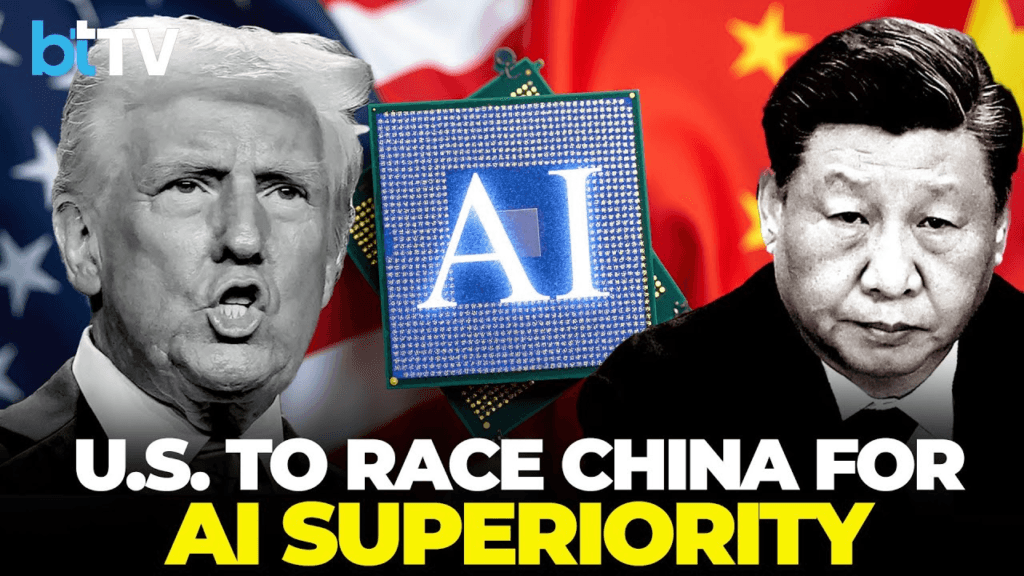
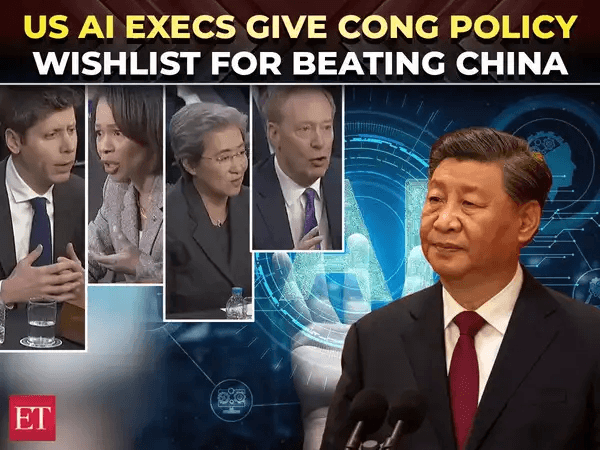
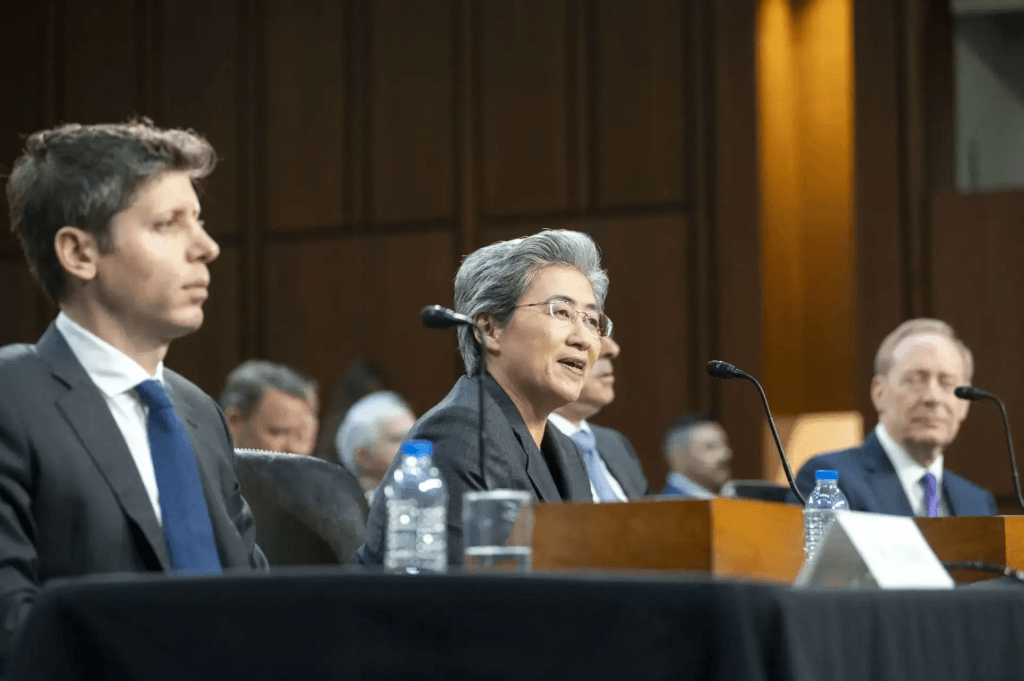
As the global AI race intensifies, leading tech executives are sounding the alarm: the United States must urgently increase its exports and overhaul critical infrastructure to remain competitive with China. The future of AI dominance hinges not just on innovation, but on policy, logistics, and economic strategy. In this blog, we explore seven vital steps the US can take to maintain its edge in artificial intelligence and global technology markets.

1. Expand AI Export Capacity
AI executives argue that the U.S. government needs to make it easier for companies to export advanced AI technologies, especially to allies and developing markets. Streamlining export regulations and increasing access to overseas markets could bolster U.S. influence while reducing China’s growing foothold in global AI ecosystems.
2. Invest in Infrastructure Modernization
Outdated infrastructure—from roads and ports to broadband and energy grids—slows innovation and shipment. Modernizing these systems would accelerate the production and delivery of AI components, such as semiconductors and servers, helping the U.S. compete with China’s state-backed efficiency.
3. Support Domestic Semiconductor Production
Semiconductors are the backbone of AI hardware. The U.S. must continue investing in domestic chip manufacturing through initiatives like the CHIPS Act to reduce reliance on East Asian supply chains, which are vulnerable to geopolitical tension.
4. Strengthen Public-Private Partnerships
Collaboration between the government and tech firms is crucial. By supporting R&D and co-developing infrastructure projects, the U.S. can stimulate innovation and create resilient systems for AI development and export scalability.
5. Reform Trade Policies for Emerging Technologies
AI exports often face barriers due to outdated trade policies. Modernizing these policies—while ensuring national security—is essential to stay agile in the AI race and compete effectively with China’s more aggressive export strategy.
6. Boost AI Workforce Development
The U.S. must address talent shortages by investing in AI education and visa reforms to attract top global talent. Workforce readiness is a key component of a sustainable AI export economy and long-term innovation leadership.
7. Promote Digital Infrastructure Abroad
Investing in the digital infrastructure of allied and emerging nations provides markets for U.S. AI products and services. This strategy not only strengthens international ties but also counters China’s growing influence through initiatives like the Digital Silk Road.
Conclusion
To win the AI race against China, the U.S. must look beyond innovation alone. Expanding AI exports, rebuilding infrastructure, and embracing smart policy reforms are essential steps. As global dynamics shift, proactive strategies can help the U.S. retain leadership in AI, tech, and economic influence.
Looking to stay ahead in the AI revolution? Read how the U.S. plans to regulate AI in 2025.
Would