
Introduction
The US economy added 139,000 jobs in May 2025, signaling a continued slowdown in hiring amid rising concerns over trade, manufacturing, and global demand US job growth. In a separate but significant development, the US Supreme Court rejected Mexico’s lawsuit against major American gun manufacturers. These two high-impact stories reflect both economic and judicial realities shaping the current American landscape.
US Job Market Cools as Hiring Slows
According to the US Labor Department, May saw the creation of 139,000 new jobs — slightly above forecasts but below April’s revised 147,000. More critically, earlier job reports for March and April were revised down by a combined 95,000 jobs, hinting at more fragility than previously assumed. The unemployment rate remained stable at 4.2%.

Where the Jobs Were (and Weren’t)
- Healthcare: +62,000 jobs
- Leisure & Hospitality: +48,000 jobs
- Social Services: +16,000 jobs
- Federal Government: -22,000 jobs
Sectors such as manufacturing, wholesale, and retail remained largely unchanged. Wage growth ticked up slightly, with the average hourly wage rising by 15 cents or 0.4%.
Private Sector Outlook: ADP Report Signals Caution
In contrast, payroll provider ADP reported only 37,000 private-sector jobs added in May, marking a two-year low. Declines in manufacturing (-3,000 jobs) and mining (-5,000) were offset modestly by gains in construction (+6,000).
Supreme Court Blocks Mexico’s Gun Lawsuit

In a unanimous ruling, the US Supreme Court dismissed a lawsuit from the Mexican government that sought to hold US gunmakers accountable for firearms trafficking fueling cartel violence.
The Case and Ruling
Mexico had sued major gun companies including Smith & Wesson, Glock, and Beretta USA, claiming that their negligence contributed to cartel-related violence. However, the court ruled that under the Protection of Lawful Commerce in Arms Act, manufacturers are shielded from such foreign liability.
Writing for the court, Justice Elena Kagan stated that “indifference” to the trafficking of weapons is not equivalent to aiding and abetting criminal enterprises.
“Iron River” of US Guns into Mexico
Nearly 70% of illegal firearms recovered in Mexico between 2014 and 2018 were traced to the United States, according to the US Department of Justice. Despite this, the court concluded there was no direct evidence of manufacturers’ involvement in criminal transactions.
Broader Implications for the US and Latin America
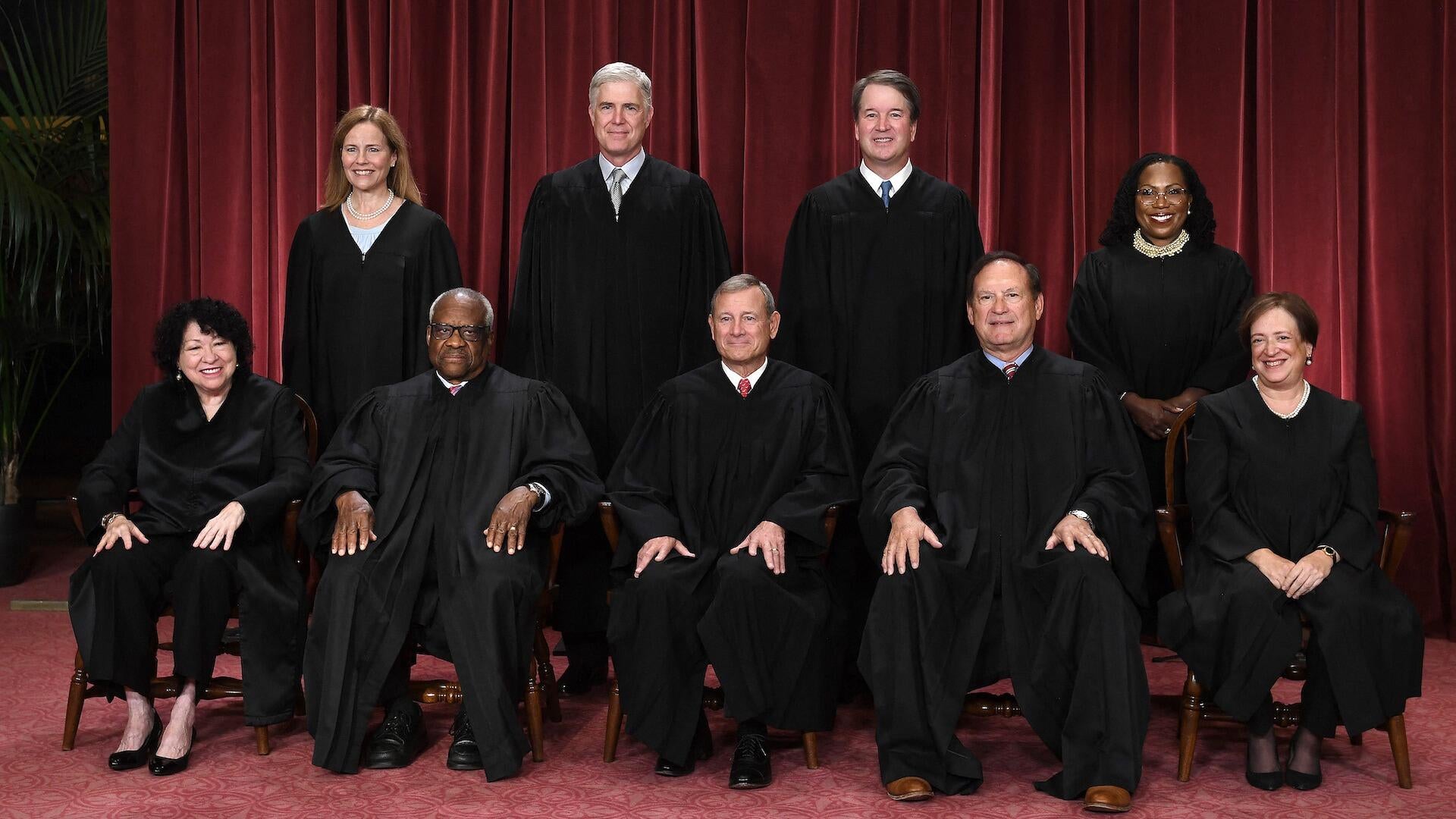
This decision is likely to set a precedent that shields arms manufacturers from similar lawsuits, even as violence across Latin America linked to US firearms continues to raise international concerns. The ruling may complicate diplomatic efforts between the US and its southern neighbors to curb the illegal weapons trade.
Conclusion
The latest jobs report and the Supreme Court’s ruling reveal two distinct facets of the United States in 2025: economic cooling and entrenched legal protections for the arms industry. As the country braces for geopolitical and economic shifts, these developments signal challenges ahead for policymakers, businesses, and international partners alike.