
Table of Contents
- Quick summary
- How it happened: the mechanics behind the shutdown
- Who is hit — services, workers and benefits
- What happens next: options to reopen government
- Economic and market consequences
- Political stakes and likely timelines
- Conclusion: what to watch for
By The Morning News Informer — Updated November 8, 2025
Quick summary
Why the US government has shut down can be explained in one sentence: Congress failed to pass a funding bill by the statutory deadline, and partisan disagreement over spending priorities — particularly health-care subsidies and cuts to domestic programs — prevented a compromise. That failure has forced the temporary suspension of many non-essential federal services, placed roughly 1.4 million federal employees on furlough or working without pay, and injected fresh uncertainty into an already fragile economic and political landscape.
This explainer walks through the legal mechanics of a shutdown, who is affected, what emergency measures are in play, how this shutdown differs from past episodes, and the realistic pathways policymakers have to reopen the government.
How it happened: the mechanics behind the shutdown
To understand why the US government has shut down, it helps to know the constitutional and procedural basics. U.S. federal law requires Congress to pass appropriations legislation each fiscal year to fund government agencies and programs. If Congress cannot agree on those spending measures or a temporary stopgap (a continuing resolution), agencies lose their legal authority to spend money beyond the deadline — typically 30 September.
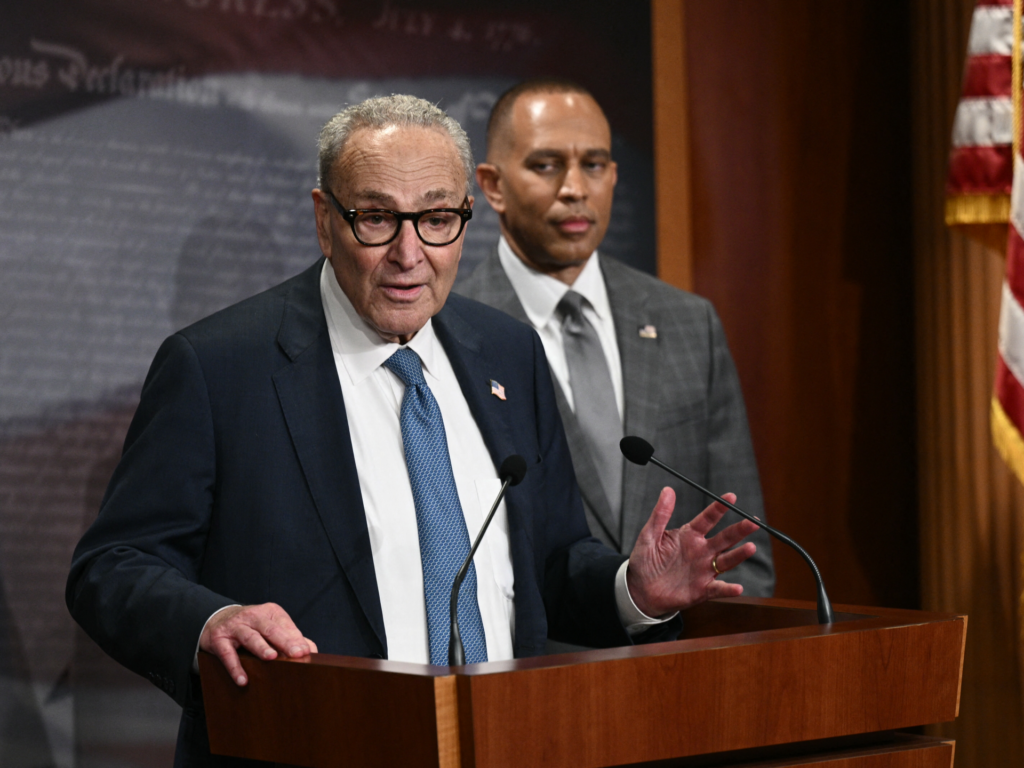
In 2025, Republicans control both the House and the Senate but lack the 60-vote threshold in the Senate needed to overcome procedural hurdles for major bills. Internal divisions within the GOP — between hardline spending cutters and moderates — combined with Democratic insistence on preserving expiring health-insurance subsidies and protecting Medicaid funding, created the impasse. Multiple votes in the Senate to reopen the government failed, and the last negotiated stopgap could not clear both chambers and receive presidential signature.
Put simply: legislators could not bridge policy differences in time, and the result was the administrative and financial freeze we now call a shutdown. That explains why the US government has shut down — not a single dramatic event, but the cumulative effect of partisan bargaining, procedural constraints, and strategic brinkmanship.
Who is hit — services, workers and benefits
A common misconception is that the entire federal apparatus stops. In reality, essential services continue. The law distinguishes between “essential” and “non-essential” personnel and activities Why the US government has shut down:
- Continuing operations: Air traffic control, border protection, federal law enforcement, emergency medical care and active military operations continue but often with staff working without immediate pay.
- Suspended or reduced: National parks, many federal research programs, cultural institutions like museums, and a range of discretionary services are closed or operate at reduced capacity.
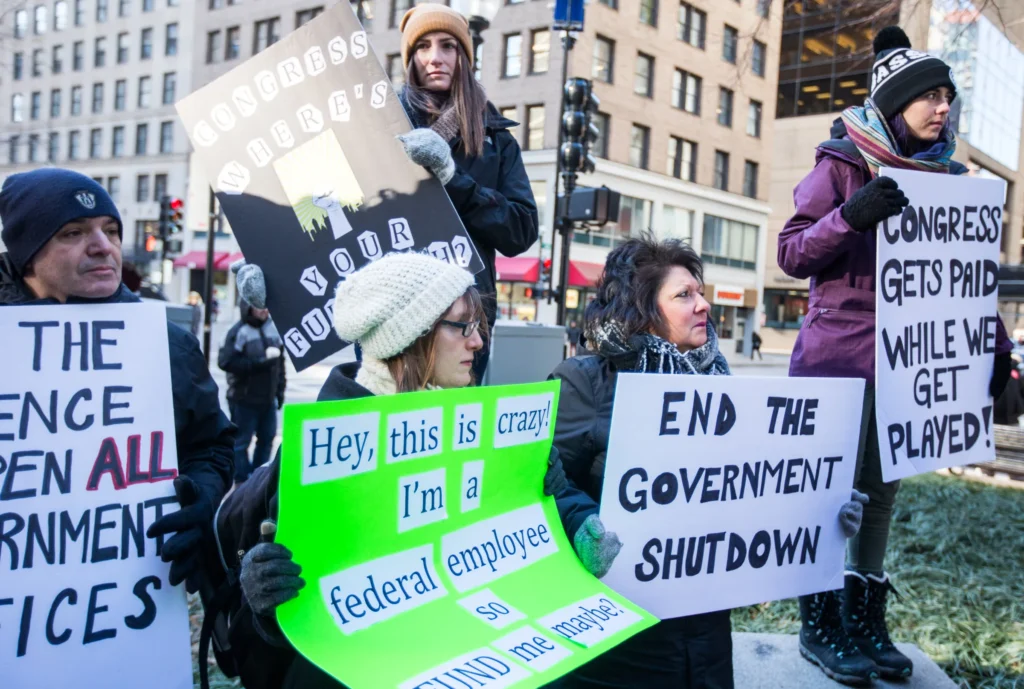
- Furloughed workers: Around 1.4 million federal employees are either furloughed (temporarily put on unpaid leave) or required to work without pay until Congress acts.
Programs with separate funding mechanisms, such as the U.S. Postal Service and Social Security checks, generally continue. But other vital programs are vulnerable: for example, Snap food benefits faced an immediate funding shortfall, prompting lawsuits and emergency court orders to preserve benefits for millions. Student loan servicing, permit approvals, and grant flows can be delayed — creating ripple effects for schools, small businesses and municipal projects.
The human cost is palpable: contractors paid by the federal government receive no retroactive back pay, small aviation firms lose bids and new federal contracts are stalled. And when staff such as air-traffic controllers or TSA screeners operate under prolonged stress without pay, the risk of service disruptions increases — a major reason why previous shutdowns ended quickly once operational collapse loomed.
What happens next: options to reopen government
Answering why the US government has shut down also means outlining how it can end. Practically, there are several routes lawmakers can pursue:
- Short-term continuing resolution (CR): Congress can pass a clean stopgap to fund government at current levels for a short period, giving negotiators time to hammer out a full-year bill.
- Compromise omnibus: Lawmakers could negotiate a longer-term omnibus appropriations package that bundles multiple spending bills together — but this requires complex trade-offs and sufficient votes in the Senate.
- Targeted deals: Parties sometimes separate contentious items (for example, health-subsidy extensions) into standalone legislation while funding the rest of the government.
- Presidential action: The president could propose a path forward and pressure Congress politically, though he cannot unilaterally authorize spending without legislation.
The political arithmetic is the choke point. Moderate senators from both parties may prefer a short CR to avoid large-scale disruption before the Thanksgiving travel season, but hardline factions on either side could hold out for policy wins. Until a majority in the Senate coalesces around a text acceptable to both chambers and the president, the shutdown continues.
Economic and market consequences
Economists typically treat shutdowns as temporary shocks. But the costs add up fast. Each week the government remains stalled, analysts estimate U.S. economic growth could be trimmed by roughly 0.1–0.2 percentage points. For this shutdown — already the longest on record — that translates into billions in disrupted contracts, delayed approvals and lost wages.
Small contractors are particularly exposed: unlike federal employees, many do not receive retroactive pay, making prolonged impairment of their cash flow more likely. Federal agencies also suspend new grants and contracts; estimates have shown hundreds of millions of dollars in awards delayed daily.
Financial markets may absorb a prolonged shutdown if it does not threaten debt payments; the U.S. Treasury continues to function for debt service unless Congress fails to raise the borrowing limit. Still, reduced economic data releases (like the jobs report) increase uncertainty for investors and could complicate Federal Reserve policy decisions. Consumer confidence and holiday spending may soften if travel disruptions and unpaid wages dent household budgets.
Political stakes and likely timelines
Why the US government has shut down is also a political story. For President Donald Trump and congressional Republicans, the shutdown reflects a wider policy push to reduce the size of government and recalibrate spending priorities. For Democrats, the dispute centers on protecting popular health subsidies and shielding vulnerable populations from program cuts.
Public opinion often punishes lawmakers who appear obstructive, and past shutdowns ended when operational breakdowns (like mass flight cancellations) shifted public pressure onto incumbents. In this cycle, analysts note two dynamics: first, the White House has signalled it may be willing to allow a protracted shutdown as a tool for deep cuts; second, moderate members of both parties may prefer a quick resolution before the critical Thanksgiving travel period. That tension creates both incentives and obstacles to compromise.
Timelines hinge on pivot points. Large-scale flight disruptions, snowstorms or military pay interruptions have precipitated past deals. If air-traffic controller fatigue causes a surge in cancellations, the political pressure to reopen could spike rapidly. Alternatively, if both sides calculate that public attention will fade or blame will be asymmetric, the stalemate could extend into December and beyond.
Conclusion: what to watch for
The answer to why the US government has shut down is procedural and political: Congress failed to pass a funding measure amid deep policy disagreement, and the resulting shutdown has immediate human and economic costs. What happens next depends on whether enough lawmakers choose short-term pragmatism or hold out for policy victories.
Key developments to watch in the coming days: urgent votes in the Senate, announcements about targeted relief for SNAP or military pay, any uptick in flight cancellations tied to controller fatigue, and statements from moderate senators signalling a willingness to back a clean continuing resolution. Each of those events could change the trajectory quickly.
For affected federal workers, contractors and citizens dependent on discretionary programs, the practical advice is to stay informed through official agency channels, monitor court rulings about benefits like SNAP, and plan travel with an eye on potential disruptions. Politically, this shutdown is a reminder that budget battles in Washington often have immediate consequences for ordinary life — and that the health of institutions depends on the political will to fund them.