
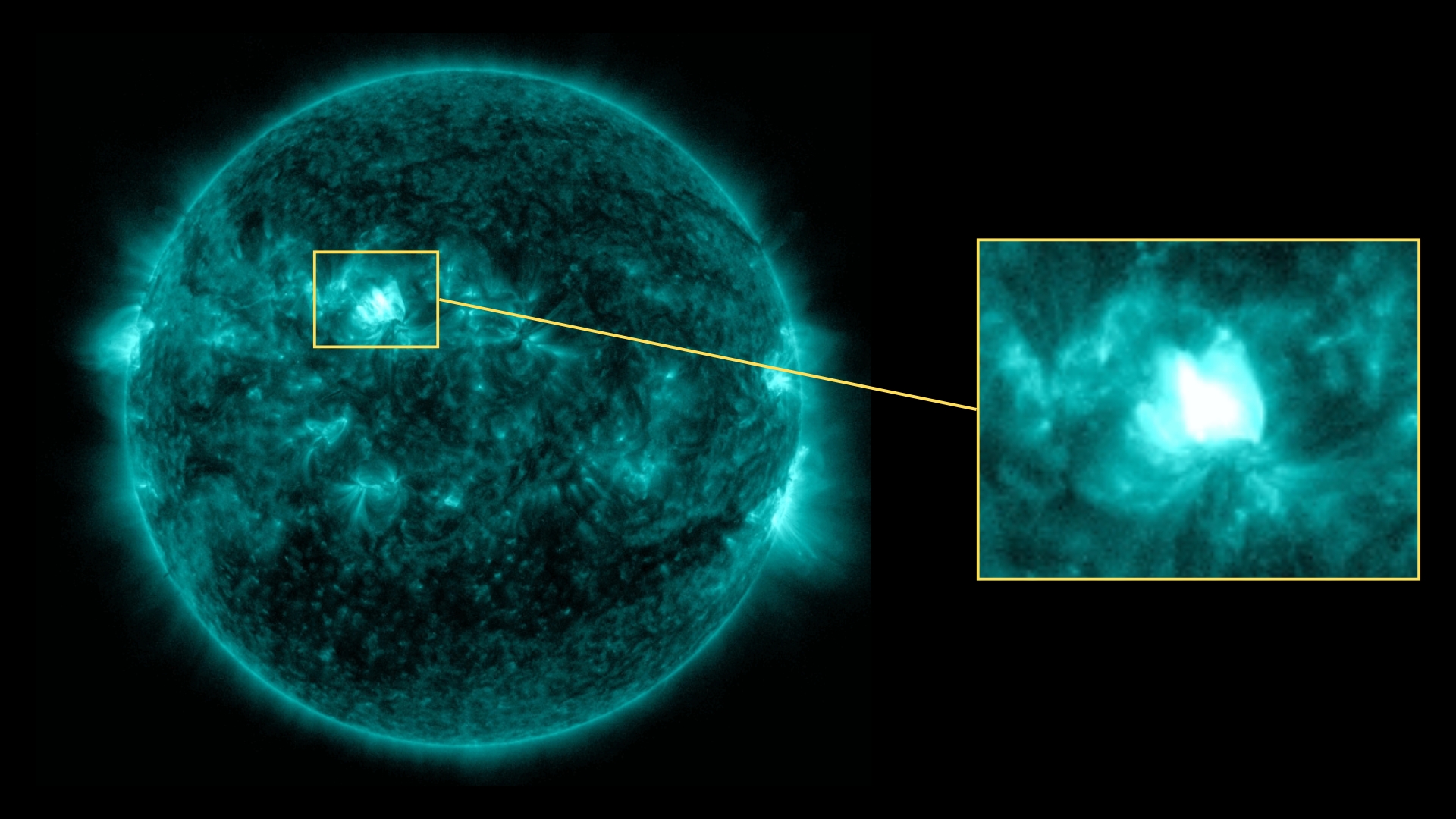
A powerful X1.9-class solar flare erupted from active sunspot region 4114 on June 19, disrupting shortwave radio signals across large parts of the Pacific Ocean X-class solar flare, including Hawaii. The solar event, which peaked at 9:50 p.m. EDT (0150 GMT on June 20), caused immediate concern among space weather experts and ham radio operators as it triggered a sudden high-frequency (HF) radio blackout in the region.
What Caused the Blackout?
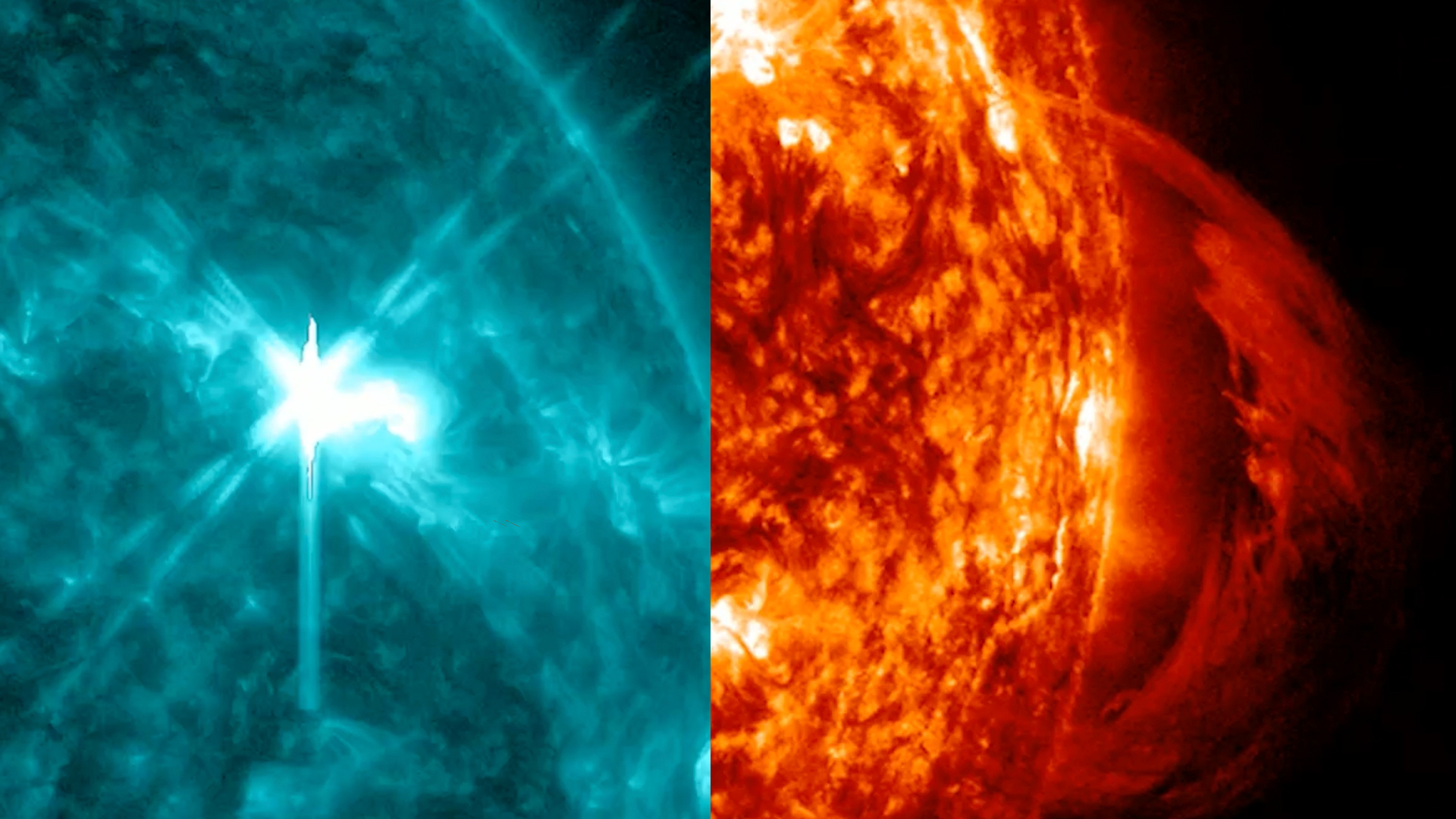
The flare originated from sunspot 4114, a magnetically complex region on the Sun that has shown repeated flaring activity in recent days. The latest eruption was accompanied by a surge of X-ray and ultraviolet radiation, which ionized the upper layers of Earth’s atmosphere — particularly the ionosphere. This sudden ionization disrupted radio waves below 25 MHz, commonly used by aircraft, ships, and amateur radio operators.
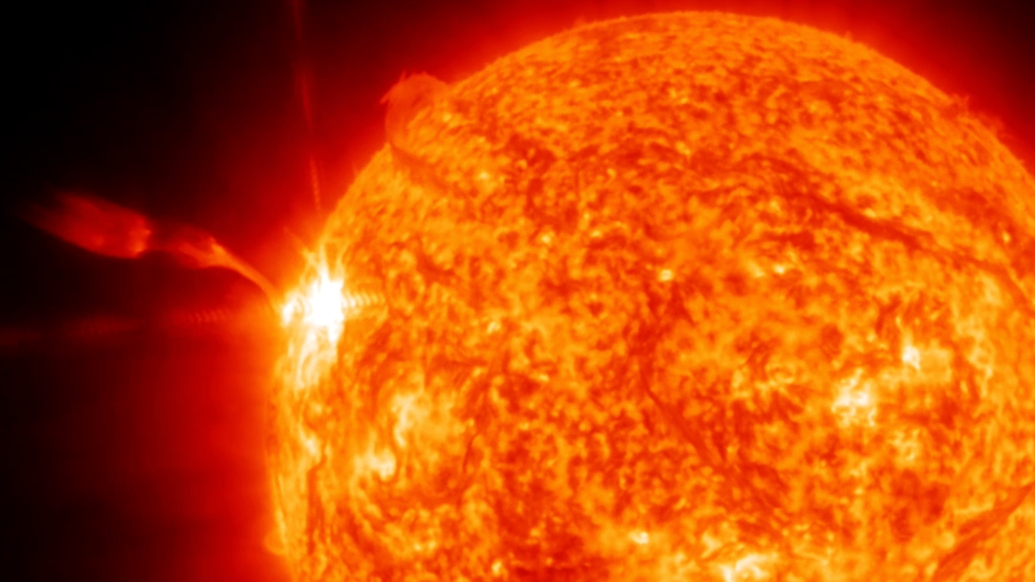
According to SpaceWeather.com and Space Weather Live, the electromagnetic burst reached Earth within minutes, causing a near-immediate blackout. Ham radio users across the Pacific reported loss of signal during and shortly after the flare’s peak. NOAA’s Space Weather Prediction Center confirmed the blackout as an R3-level event on their radio blackout scale X-class solar flare.
X1.9-Class Flares: What Do They Mean?
X-class flares represent the most powerful category of solar flares. The number that follows — in this case, 1.9 — denotes its strength within the X-class range. An X1.9 flare ranks among the strongest observed in the current solar cycle. Just days before, the same sunspot region had emitted an X1.2 flare, suggesting that region 4114 is highly active and potentially volatile.
This recent event is a reminder of the increasing solar activity as the Sun approaches the peak of its 11-year solar cycle, expected to culminate around 2025–2026. Scientists are closely monitoring region 4114 for future eruptions that could be even more disruptive.
Coronal Mass Ejection (CME): None This Time
Fortunately, there was no detectable Coronal Mass Ejection (CME) associated with this flare. CMEs are giant clouds of solar plasma and magnetic fields ejected into space that, if Earth-directed, can cause widespread geomagnetic storms — including power grid disruptions and intense auroras.
Without a CME, skywatchers will not see enhanced auroral activity for now. However, the absence of a CME does not downplay the seriousness of the event. The energetic particles alone were enough to impact Earth’s atmospheric systems and pose a potential risk for satellites and aviation communication systems.
What’s Next? More Solar Turbulence Possible
While this particular flare did not result in a geomagnetic storm, experts are not ruling out further activity from region 4114. As its magnetic complexity increases, the likelihood of additional flares — and potentially Earth-directed CMEs — rises. If future eruptions from the region include CMEs, there could be impacts on GPS, satellite communications, and power systems.
NOAA and other agencies continue to monitor the situation through their Space Weather Prediction Center, offering real-time updates via their 3-day geomagnetic outlook.
How Solar Flares Affect Technology
Solar flares emit massive amounts of radiation that can affect Earth’s ionosphere — the atmospheric layer critical for radio signal transmission. During intense solar flares like this X1.9 event, high-frequency communication can be severely degraded or lost altogether.
Commercial flights, maritime operations, emergency services, and even spacecraft can all be impacted. Radiation storms caused by flares also pose health risks to astronauts and can shorten satellite lifespans.
Read more: How Solar Flares Affect Earth’s Tech: A Deep Dive.
Historic Perspective and Solar Cycle 25
The Sun is currently in Solar Cycle 25, which began in December 2019. This cycle has already produced several X-class flares, with solar activity expected to peak between 2025 and 2026. Region 4114 could be a major player in that increase, given its consistent flaring and magnetic instability.
Solar Cycle 24, by contrast, was relatively quiet. Experts now believe the Sun is entering a more turbulent phase, making space weather forecasting more critical than ever.
Conclusion: Stay Informed, Stay Prepared
While no immediate geomagnetic storm or aurora display is expected from this flare, the event serves as a stark reminder of how quickly space weather can change. With sunspot 4114 still active, more flares could follow. Stakeholders in aviation, maritime, satellite operations, and amateur radio should stay alert for updates from NOAA and other official sources.
Bookmark NOAA SWPC or follow space weather alerts to keep informed of future solar developments.