
Introduction
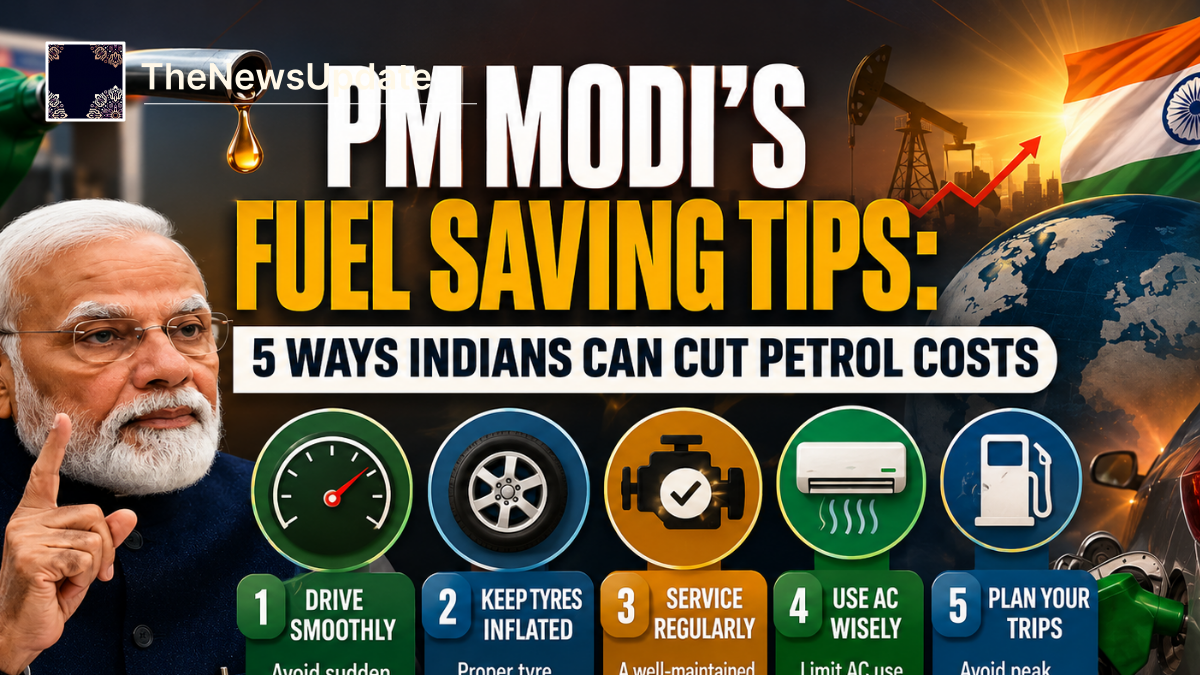
With global energy markets facing volatility due to escalating Middle East tensions, Prime Minister Narendra Modi has urged Indians to prioritize fuel conservation. This timely call to action emphasizes not only individual financial savings but also national energy security. As citizens look for practical solutions, understanding effective PM Modi fuel saving tips becomes crucial for managing household budgets and contributing to a greener future. This article explores five actionable strategies Indians can adopt to significantly reduce their petrol expenses.
Table of Contents
Background
The recent intensification of geopolitical events in the Middle East has sent ripples across the global oil markets, leading to concerns about crude oil supply and price stability. India, being a major oil importer, is particularly vulnerable to these fluctuations. Higher international crude oil prices directly translate into increased petrol and diesel costs at the pumps, impacting millions of commuters and businesses nationwide. PM Modi’s appeal underscores the collective responsibility to mitigate the economic strain caused by these external factors and bolster India’s energy independence.
Main Developments
In response to the current energy landscape, embracing smarter consumption habits is key. Here are five practical ways Indians can cut their petrol costs, aligning with the spirit of fuel conservation:
- 1. Adopt Smart Driving Habits One of the most immediate ways to save fuel is by modifying driving behavior. Gentle acceleration and deceleration, maintaining a steady speed, and avoiding sudden braking can significantly improve fuel efficiency. Driving within speed limits not only ensures safety but also optimizes consumption, as higher speeds burn more fuel. Anticipating traffic and maintaining a safe distance from other vehicles can also reduce the need for frequent stops and starts, which are major fuel guzzlers.
- 2. Prioritize Regular Vehicle Maintenance A well-maintained vehicle is a fuel-efficient vehicle. Regular servicing, including oil changes, air filter replacements, and spark plug checks, ensures the engine runs optimally. Crucially, maintaining correct tire pressure is vital; under-inflated tires increase rolling resistance, forcing the engine to work harder and consume more fuel. A simple check of tire pressure every few weeks can lead to noticeable savings and extend tire life.
- 3. Embrace Public Transportation For many short and medium-distance commutes, public transport offers a viable and often more economical alternative to private vehicles. Utilizing buses, trains, and metro services not only saves on petrol costs but also reduces wear and tear on personal vehicles, parking expenses, and contributes to lower traffic congestion and air pollution. Government initiatives to improve public transport infrastructure make it an increasingly attractive option.
- 4. Leverage the Work-From-Home Advantage The shift towards remote work models, accelerated by recent global events, presents a significant opportunity for fuel savings. For those whose jobs permit it, working from home even a few days a week can drastically reduce daily commute-related petrol expenses. This also frees up valuable time that would otherwise be spent commuting, allowing for greater productivity or leisure. Employers are increasingly recognizing the benefits of hybrid work models, which indirectly support fuel conservation efforts.
- 5. Opt for Carpooling and Ride-Sharing When public transport or working from home isn’t an option, carpooling or ride-sharing with colleagues, friends, or neighbors can be an effective way to cut down fuel costs. Sharing a ride means splitting petrol expenses, reducing the number of vehicles on the road, and lessening individual carbon footprints. Apps and community groups make it easier than ever to connect with others heading in the same direction.
Reactions and Statements
PM Modi’s emphasis on fuel saving has resonated with various stakeholders. Industry experts have highlighted the long-term benefits of such practices for national energy security, while environmental advocates welcome the potential reduction in emissions. Citizens, grappling with fluctuating fuel prices, are actively seeking and sharing effective strategies, reflecting a growing awareness and willingness to adapt. Government bodies are also exploring policies that encourage more sustainable transportation choices and energy-efficient practices across sectors.
Impact Analysis
Adopting these PM Modi fuel saving tips offers a multi-faceted positive impact. Individually, they lead to tangible financial savings, freeing up income for other necessities. Collectively, these efforts contribute to reducing India’s reliance on imported crude oil, strengthening the national economy, and improving the balance of payments. Furthermore, a reduction in fuel consumption translates directly into decreased greenhouse gas emissions, aligning with India’s climate change commitments and fostering a healthier urban environment. These actions are crucial steps towards building a more resilient and sustainable energy future for the nation.
Conclusion
The call from Prime Minister Modi to conserve fuel is a timely reminder that individual actions, when aggregated, can have a profound national impact. By embracing smart driving habits, ensuring vehicle maintenance, utilizing public transport, leveraging work-from-home options, and carpooling, Indians can actively contribute to both personal financial well-being and the nation’s energy security and environmental goals. These practical tips are not just about saving money at the pump; they are about fostering a culture of responsible consumption and building a more sustainable future for India amidst global challenges.